English































































































































































































Making sense of war on Iran

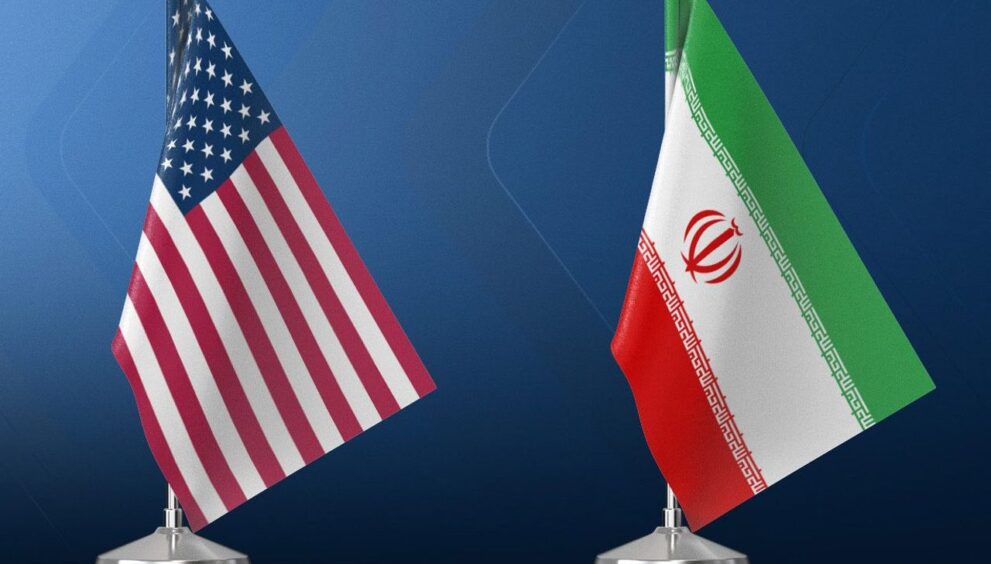

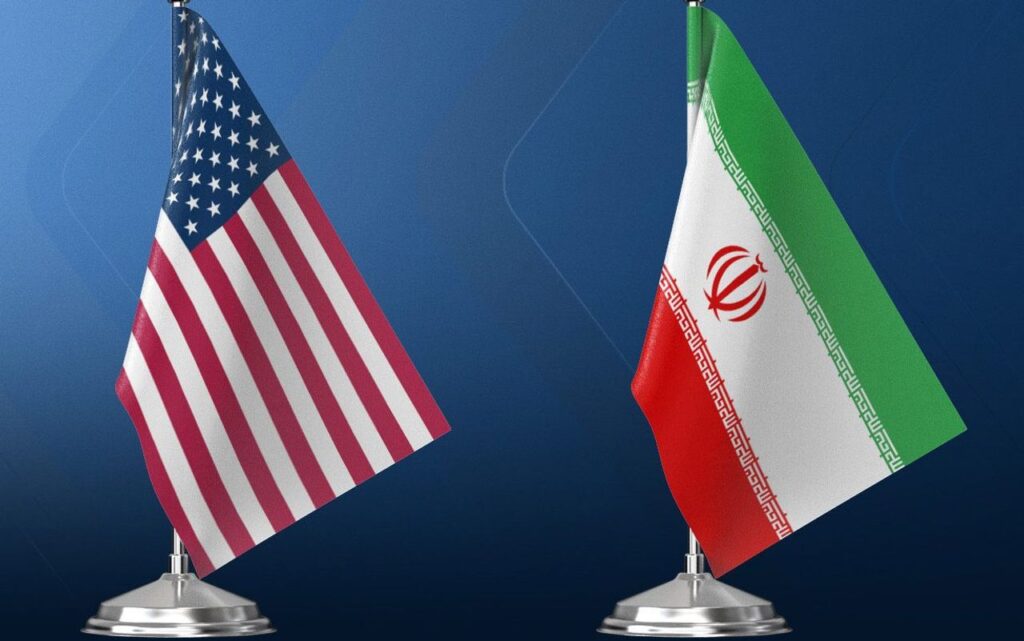
After US President Trump’s threat to Iran, “A whole civilisation will die tonight,” on 7 April, a lasting peace seems possible as the Iran-US agreed to two week ceasefire on all fronts. Trump’s threat to obliterate Iranian civilisation was nothing more than a crude intention to commit more war crimes, burying any chance of reaching an agreement with Iran, whose defiance of the US dictated deal had deeply unsettled Trump. Although Trump was struggling hard to get out of this quagmire immediately after the realisation that the objectives of this war of aggression had miserably failed but what is important to understand is that Israel’s four-decade-old dream to attack and militarily diminish Iran has been fulfilled. However, looking at the stated goals of the attack on Iran, US and Israel stand exposed and US in particular registered failures on all fronts as no regime change happened. Instead, Iran responded militarily pounding Israel and US bases and assets across GCC despite Trump’s claim of destroying Iran’s military might. In addition, the illegal war on Iran did not result in the immediate collapse of the Iranian government because Iran’s resilience, rooted in its 5000 years of civilisation, was underestimated.
Given the previous experience, which was nothing more than a total betrayal of trust, the latest development on peace initiative indicates that Iran is approaching the ongoing negotiations, mediated by Pakistan with extreme caution and unease. The repeated aggressions on Iran in the middle of the intense diplomatic talks in June of last year and February of this year, in violation of all international laws and UN regulations, made it evident to Iran that these negotiations had been used as a tactic rather than as an attempt to reach a true peace agreement. Iran is, therefore, wary of any talks or agreements offered by the United States as the trust deficit is at its lowest.
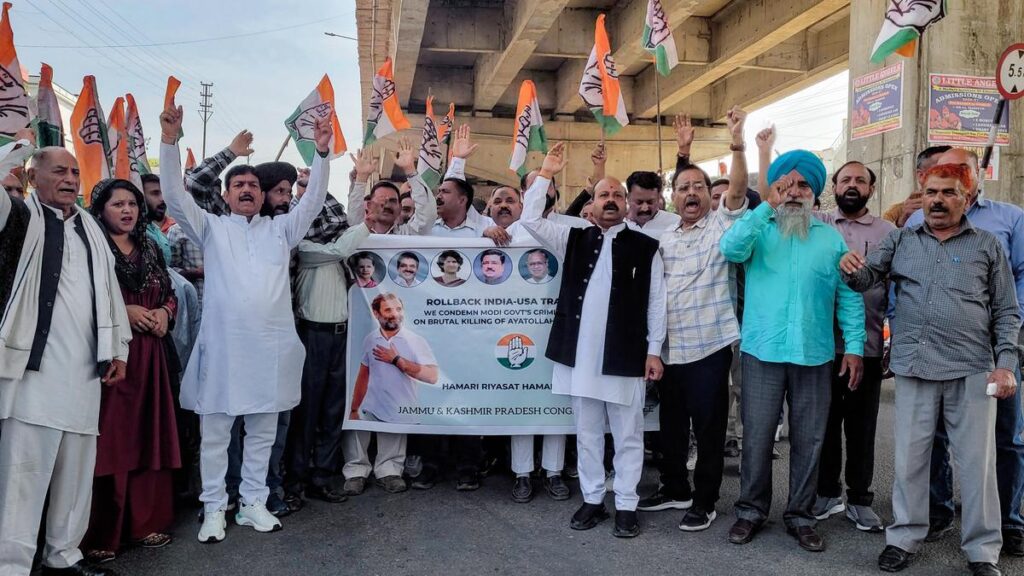
Despite Pentagon s’ stern warnings to Trump not to attack Iran since it poses no direct threat to the US and does not possess nuclear weapons, hitting Iran jeopardised all US bases and military personnel in the Persian Gulf. Netanyahu urged him to go to war, believing that the United States and Israel could re-enact Venezuela in Iran. However, Iran, who saw this war coming, was preparing for this eventuality for three decades in the backdrop of what the imperialist US-Israel did in Iraq, Syria and Libya. Iran took no time to respond with same ferocity by destroying Tel Aviv and all 13 US military bases in Gulf Arab monarchies. Furthermore, the narrative around this illegal war had suddenly shifted in favour of Iran, and the world was incensed at the massacre at Minab, where US missiles killed over 180 innocent schoolchildren and teachers. Another instance of war going against popular sentiment in the US was the recent “No Kings” rally in US cities, where 8 million people took to the streets to remind Trump of his unlawful war on Iran.
Language of aggression
Even before the possibility of real war began, Trump’s war of words had been raging for months in the mainstream media. However, Trump is not the only US president to employ aggressive language against his opponents. When it comes to the history of violent and demeaning language, the world is familiar with the US presidents’ use of strong language to threaten adversaries. Ronald Reagan famously referred to the Soviet Union as an “Evil Empire,” while in 2002 George W. Bush issued a warning to Iraq, Iran, and North Korea, referring to them as the “Axis of Evil.
Like his predecessors, Trump stated in early February that “regime change is the best thing that could happen in Iran.” Trump frequently appeared on the social media site “Truth Social” stunning people all over the world with his aggressive language and rhetoric. “Lay down your weapons or face certain death,” he threatened Iran and the IRGC. He declared that “this regime will soon learn that no one should challenge the strength and might of the United States Armed Forces” and vowed to “avenge” the deaths of US military personnel in an Iranian counterattack on March 1. However, Trump’s use of profanities crossed all limits of human decency on 7 April when he said “A whole civilisation will die tonight.”
Unravelling the bitter truth
“We are achieving major strides toward completing our military objectives,” Trump said during a press conference on March 9, as the ill planned war imposed on Iran started to unravel the disturbing reality of the unexpected loss of US military personnel and military bases in the Gulf States. According to reports and analyses of how the war is playing out for the US, most of the experts in US and elsewhere agreed on the bitter realities for the US centre on serious strategic, economic, and geopolitical losses rather than an easy victory. In addition, the conflict with Iran was marked by significant costs, tarnished reputations, and the possibility of a slow decline in US strategic dominance in the Persian Gulf. Despite the massive hit on US image and credibility, the impulsive Trump kept people shocking with his unpredictable remarks. Yet again, on March 14, Trump declared that there would be no deal with Iran because “the terms are not good enough yet.”
Changing the goal post
Iran, however, had never stated that they were seeking a deal to put an end to the conflict. Trump’s comments show his shifting goals- from a 48-hour deadline to reopen the Strait of Hormuz or face destruction to the shocking claim on March 23 that the US and Iran had “very good and productive conversations regarding a complete and total resolution of our hostilities.” At Iran’s request, Trump, yet again, announced on March 24, that he would stop attacking Iran’s energy infrastructure for an extended ten days. However, majority people today consider the United States and Israel to be the world’s most dangerous nations. Nonetheless, Pakistan’s latest attempt to foster peace in the region contributed to setting the stage for direct interaction between the United States and Iran. Iran, however, is fully aware of the dynamics and has to walk tightrope in order to have a say in the final negotiations.
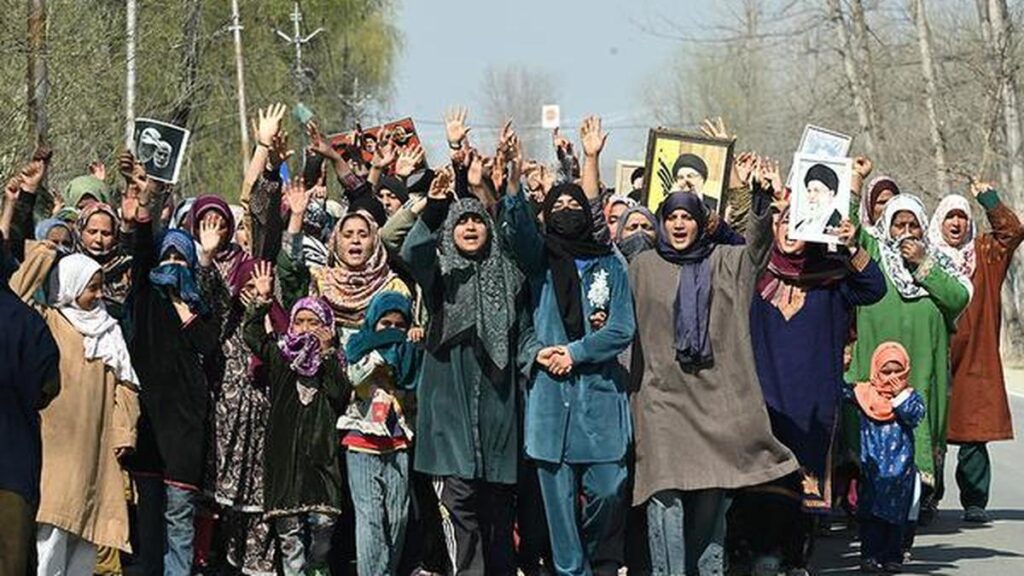
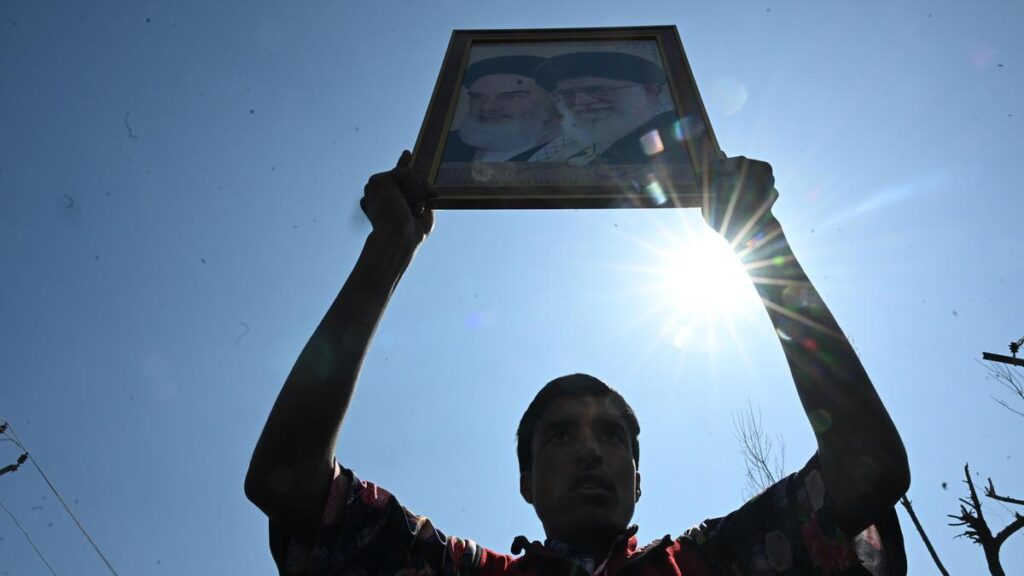
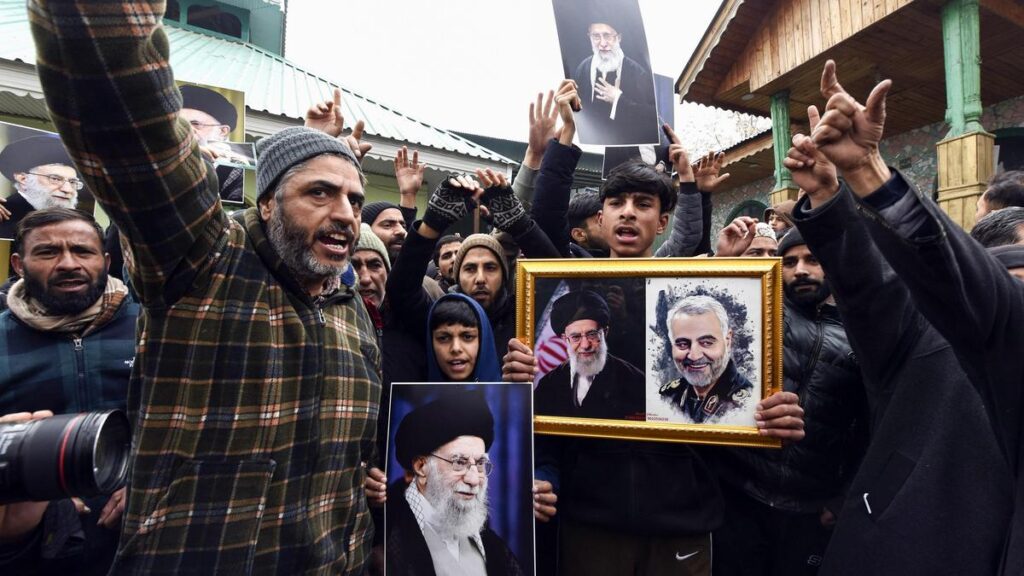
In The Prince, Machiavelli offered guidance to all aspirants who wants take state leadership that it is good to be feared, but he also cautioned against becoming more hated than feared. Trump urged Iranians to revolt against the country’s supreme leader, but the Iranians united behind their revered leaders, demonstrating their profound hatred for American dominance. Iranians no longer fear the United States. Iran’s five-point agenda, which includes reparations for war damages, sovereignty over the Strait of Hormuz, and the sovereign right to pursue civil nuclear energy for peaceful purposes, must be the outcome of any genuine negotiations.