English












































































































































































































































































Kashmir Inc rallies behind crackdown on drug menace in J&K


Srinagar, Apr 11: In a strong show of unity, Kashmir’s leading trade bodies have come out in full support of the administration’s intensified campaign against drug abuse, describing the initiative as a decisive step to safeguard the future of the region’s youth.
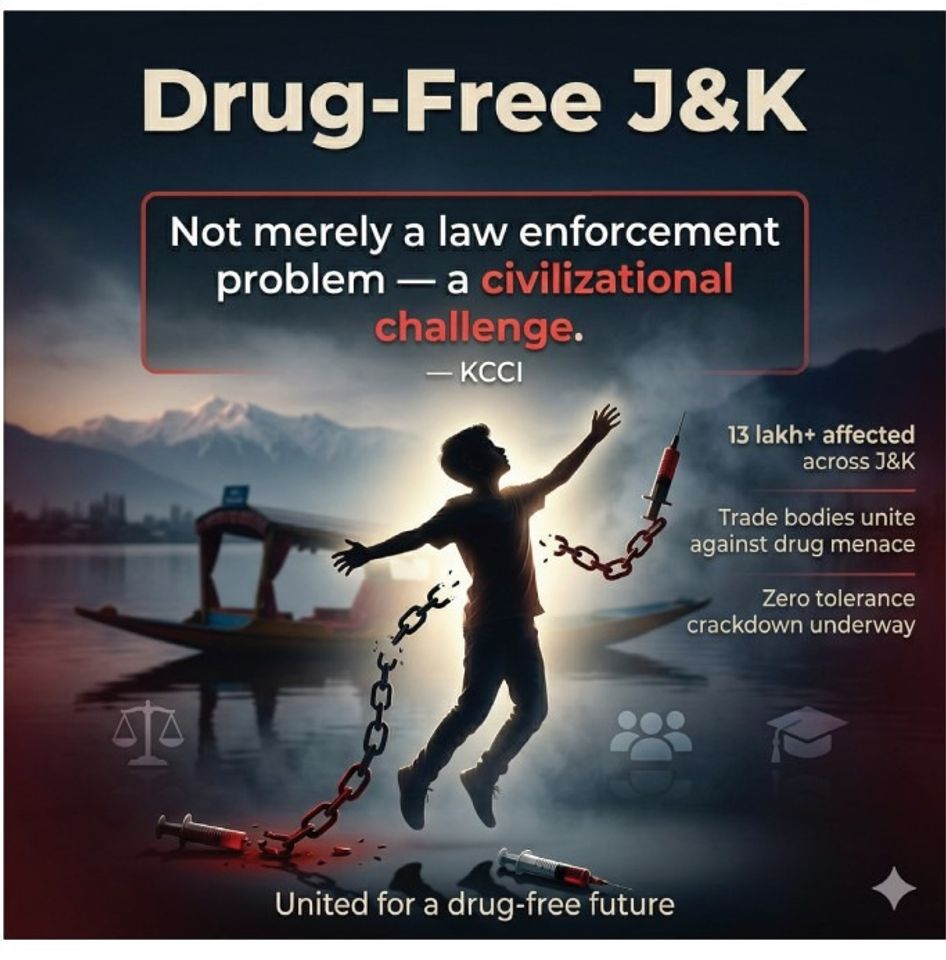
The Kashmir Chamber of Commerce and Industry (KCCI) spearheaded the endorsement, terming the ‘Drug-Free J&K’ mass movement as both timely and necessary.
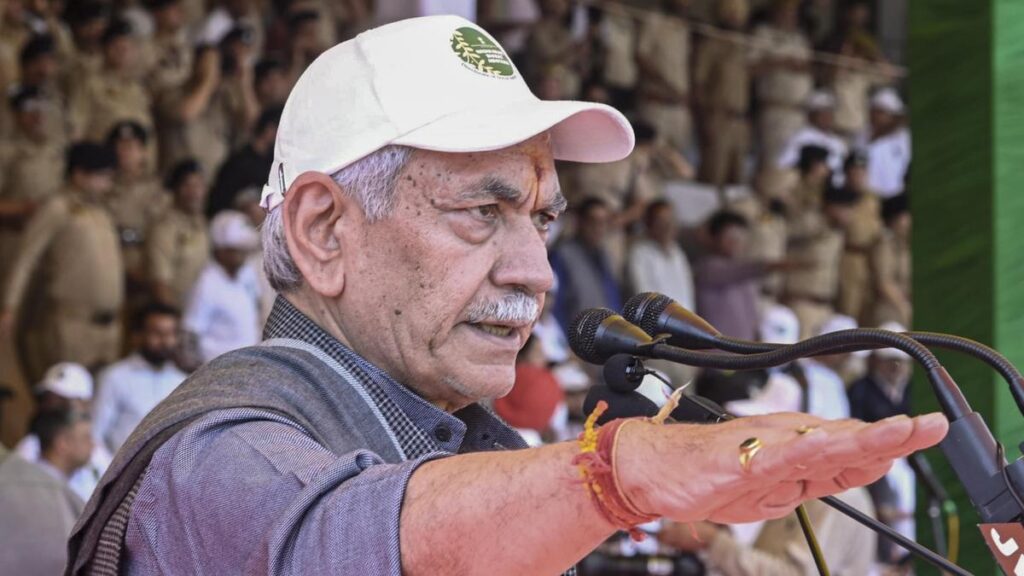
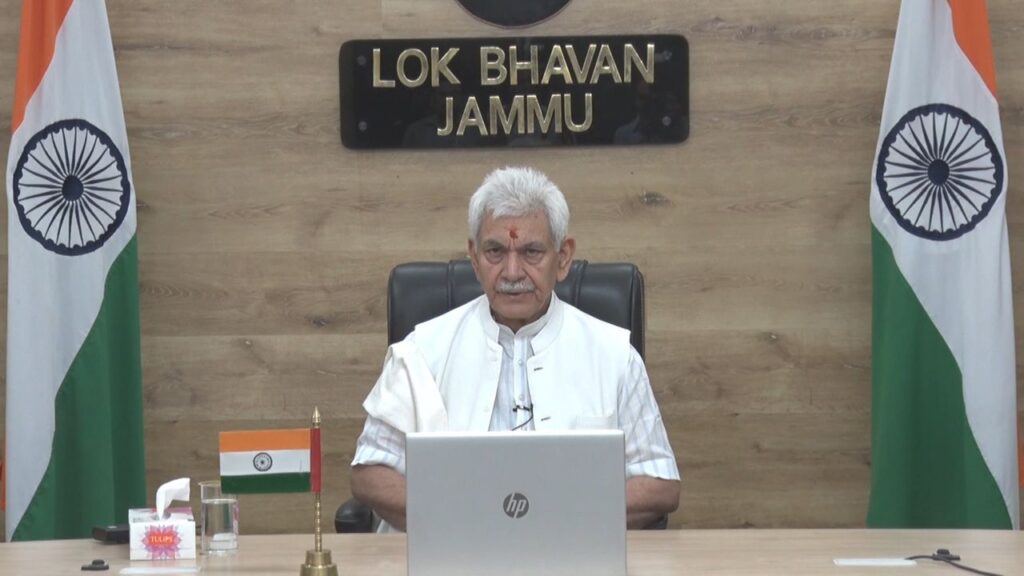
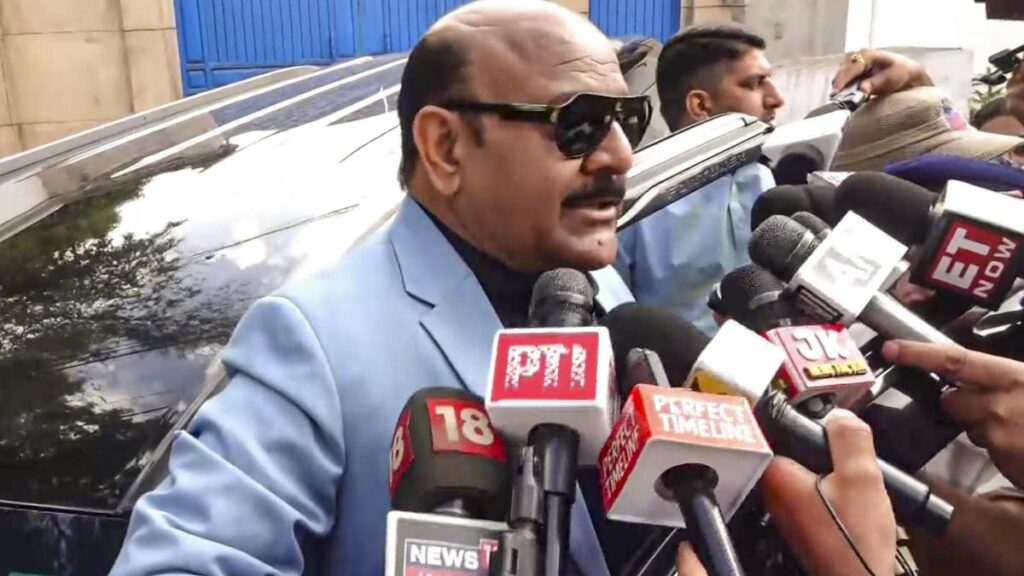
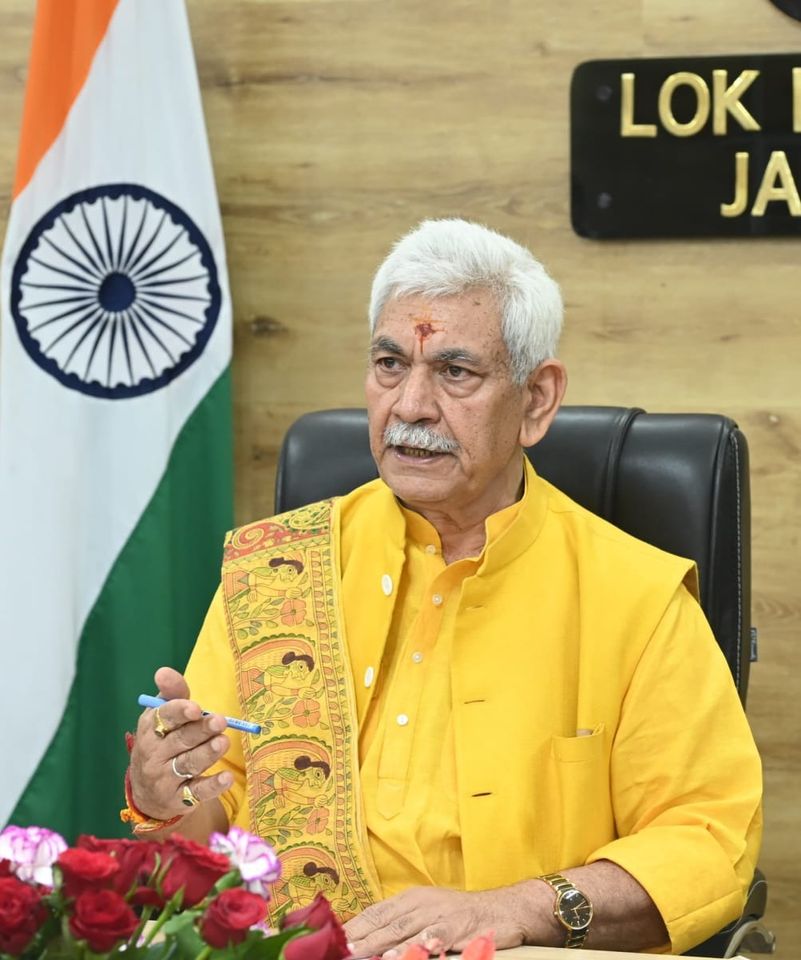
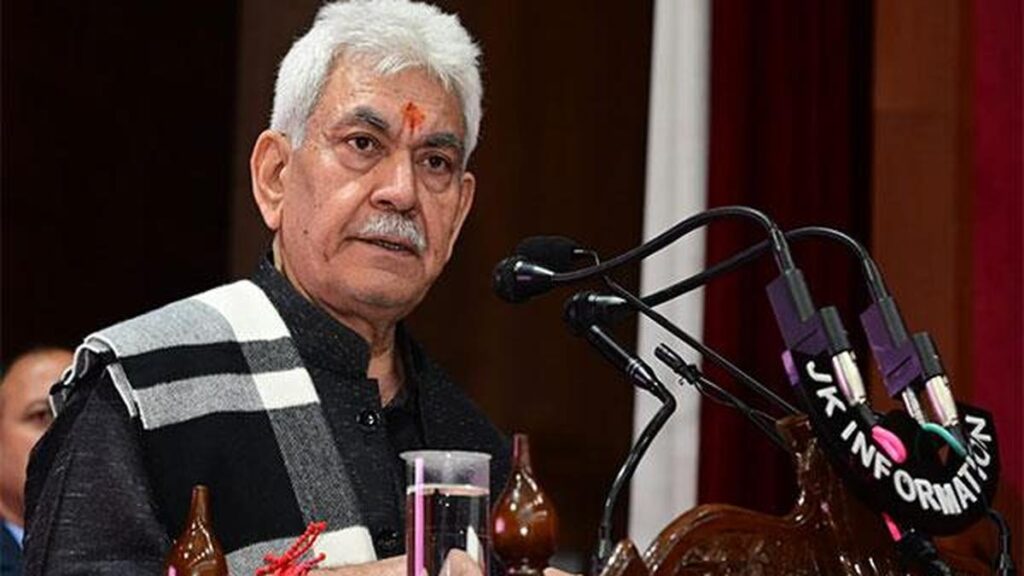
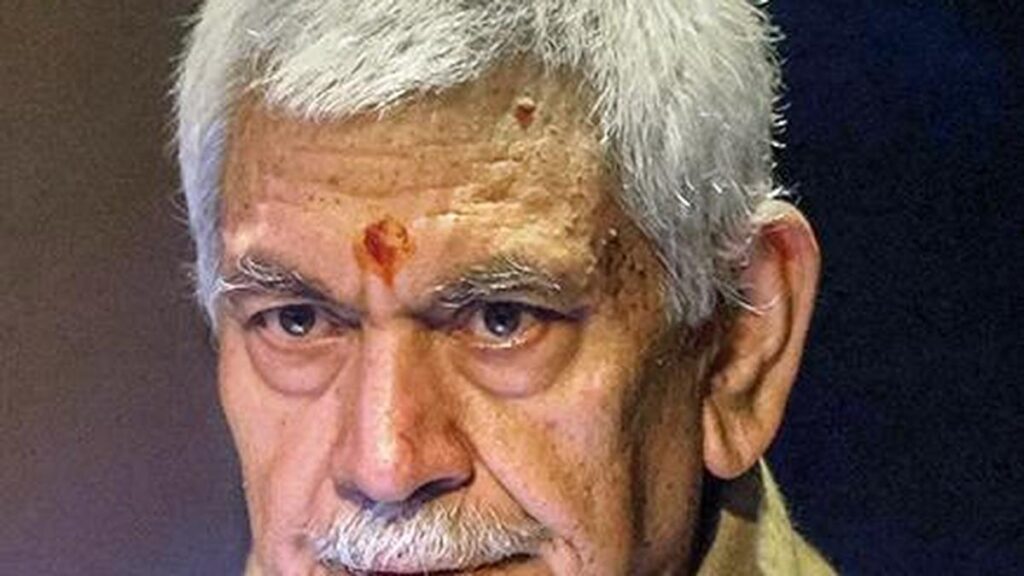
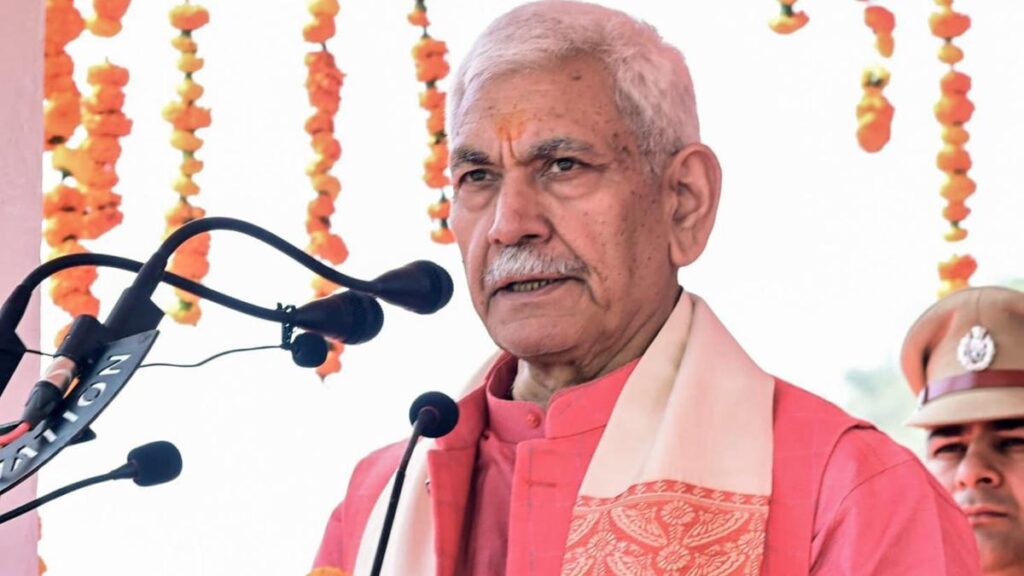
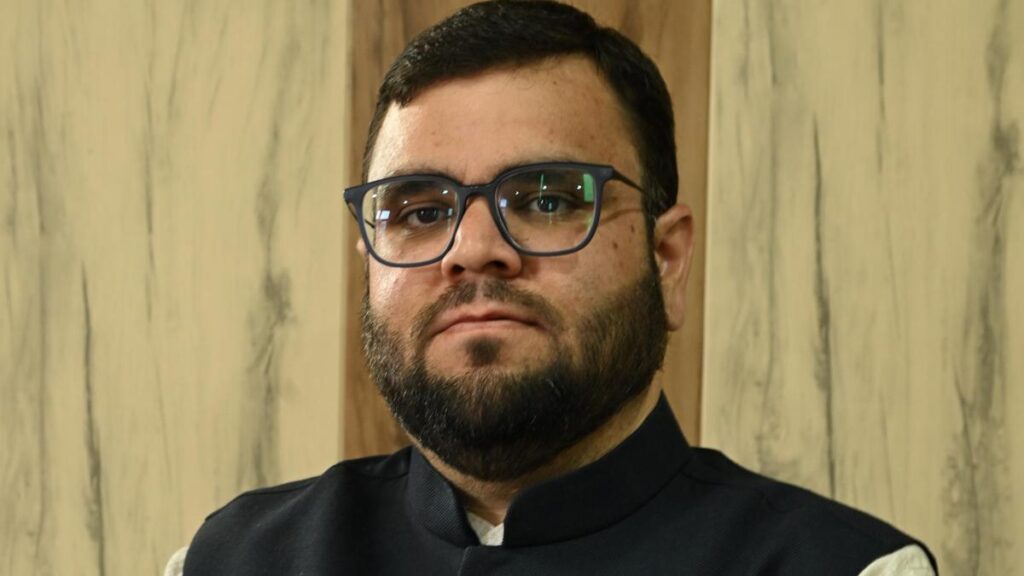
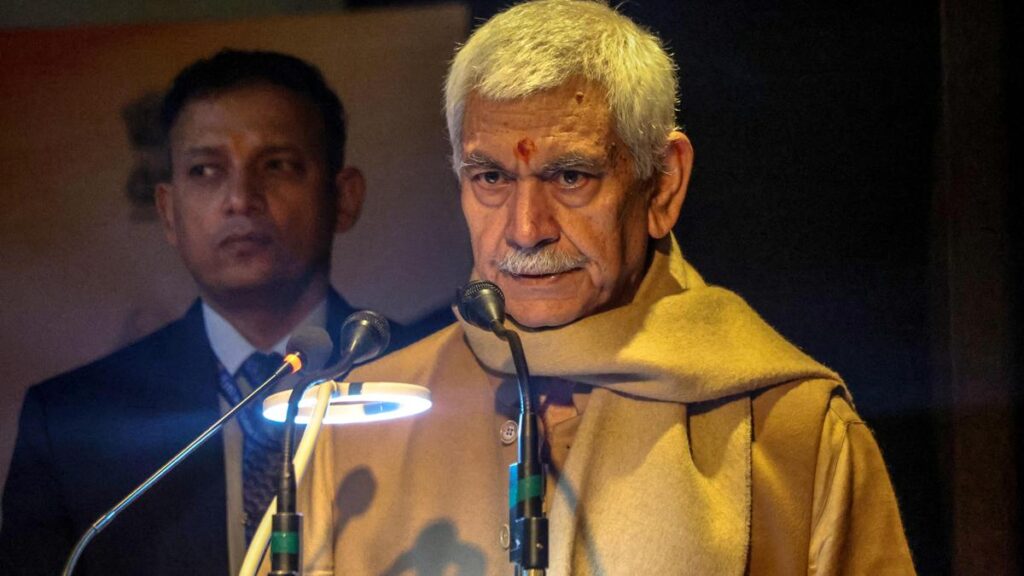
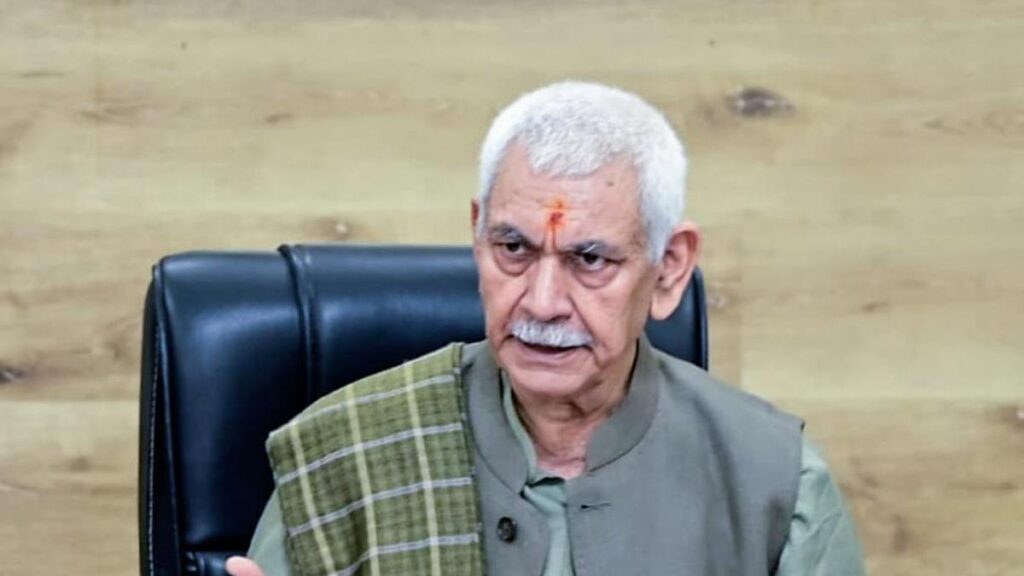
Welcoming the initiative launched by Lieutenant Governor Manoj Sinha, KCCI President Javid Ahmad Tenga said that the fight against drugs must be treated as a societal mission rather than merely a law-enforcement exercise. He said the growing menace of narcotics has silently eroded families and communities across Jammu and Kashmir.
“The launch of the Drug-Free Jammu & Kashmir mass movement is a decisive and courageous action by the Lieutenant Governor. The drug menace has been silently destroying our youth, tearing apart families, and undermining the social fabric of our communities. We wholeheartedly welcome this initiative and stand firmly behind it,” Tenga said.
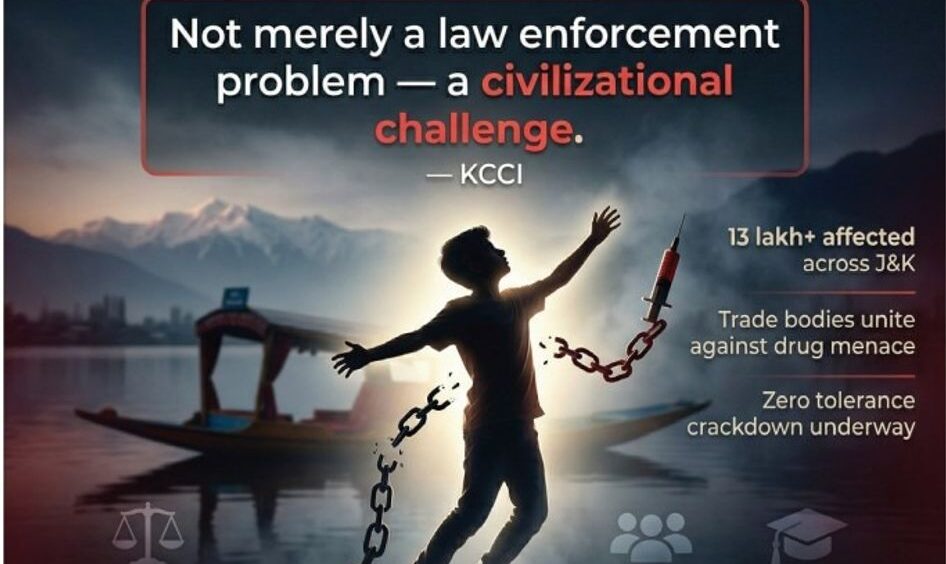
Citing official figures, KCCI expressed alarm over the scale of addiction in the region. According to Government of India data, more than 13 lakh people in Jammu and Kashmir are affected by drug abuse — a number the Chamber described as deeply concerning for a region of its size. It warned that the crisis is rapidly expanding, reaching schools, colleges and households, thereby posing a serious threat to the future generation.
“When we see 13 lakh of our brothers, sisters, sons, and daughters trapped in the clutches of addiction, it is not merely a law enforcement problem — it is a civilizational challenge. KCCI is bound by duty to extend every possible support to the government in this war,” Tenga added.
The Chamber also welcomed the stringent punitive measures announced by the administration, including confiscation of properties belonging to drug traffickers and cancellation of key identification documents such as Aadhaar cards. It said such steps send a clear and uncompromising message of zero tolerance against those involved in the drug trade.
As the apex business body of the Valley, KCCI stressed that the fight against narcotics is not limited to the government alone but requires collective responsibility. It called upon traders, entrepreneurs and business establishments to actively participate in awareness campaigns, support rehabilitation initiatives and ensure that commercial spaces are not misused for illegal activities.
Meanwhile, other trade organisations echoed similar sentiments, reinforcing a unified stand against what many described as a growing “narco-crisis.” The Shahre Khas Traders and Chambers (SKTC), led by Chairman Bashir Ahmad Kanu, also hailed the administration’s crackdown on drug smugglers and peddlers.
In a statement issued after a meeting of its core members, SKTC termed the administration’s “zero tolerance” approach as historic. The body particularly appreciated directives related to cancellation of passports, Aadhaar cards, driving licences and bank accounts of those found involved in drug trafficking, along with seizure of their properties.
Calling the measures “bold and necessary,” SKTC said such actions would dismantle the financial backbone of narco-networks operating in the region. It added that strict enforcement would act as a strong deterrent against those attempting to exploit vulnerable sections of society, especially the youth.
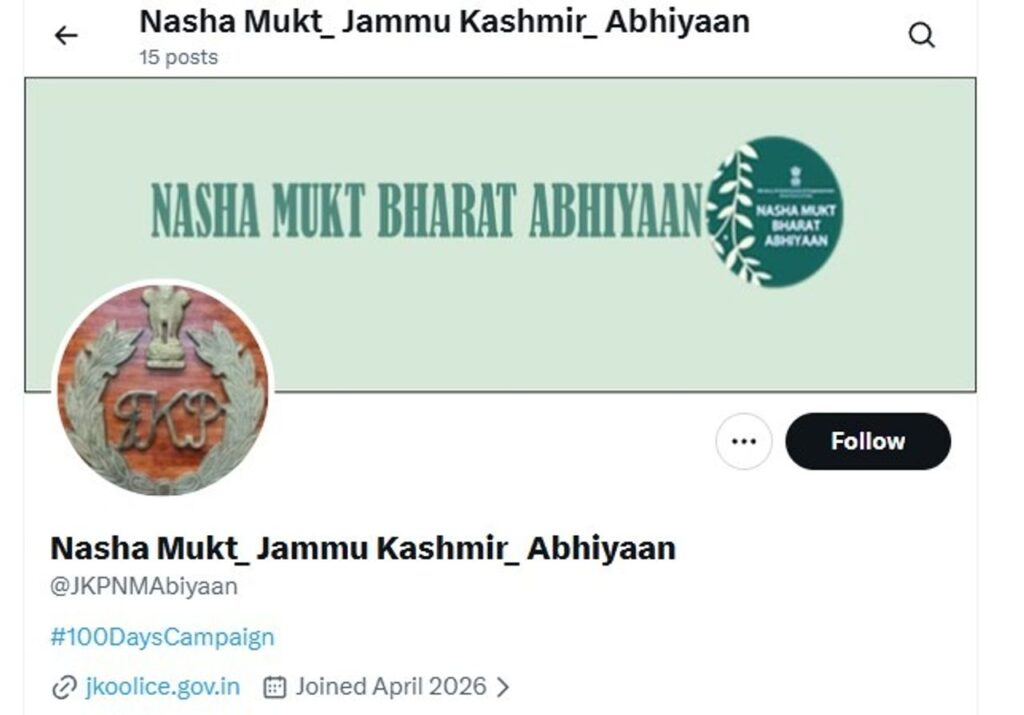
Similarly, the Chamber of Commerce and Industries Kashmir (CCIK) also extended its support to the campaign, endorsing the 100-day anti-drug drive aimed at dismantling networks of smugglers and peddlers. The organisation backed the Lieutenant Governor’s assertion that those destroying the future of the youth would not be spared, terming it a much-needed intervention.
CCIK President, Tariq Rashid Ghani, said,” Drug menace not only poses a social and health crisis but also impacts economic productivity and stability. Drug-free society is essential for sustainable growth and long-term development.”
With business bodies, civil society and the administration aligning on the issue, there is growing optimism that a coordinated effort could significantly curb the spread of narcotics in Jammu and Kashmir. Stakeholders expressed confidence that sustained action, combined with public awareness and rehabilitation efforts, would help the region move closer to the goal of becoming drug-free.