English










































































































































































































































































































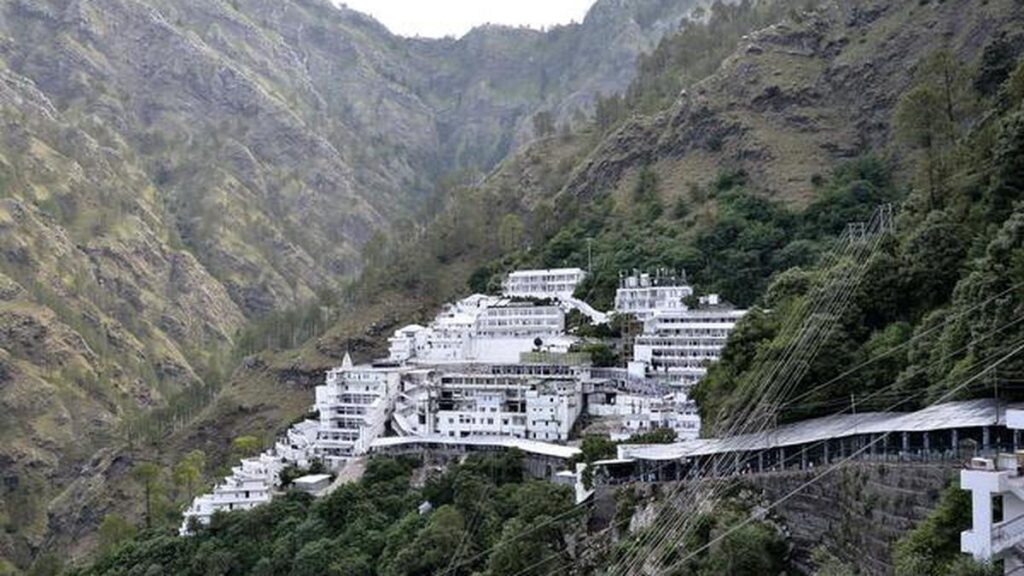










Kashmir’s tea culture


From noon chai to kehwa, the Valley’s beloved brews offer warmth and identity—but may carry hidden cardiometabolic consequences
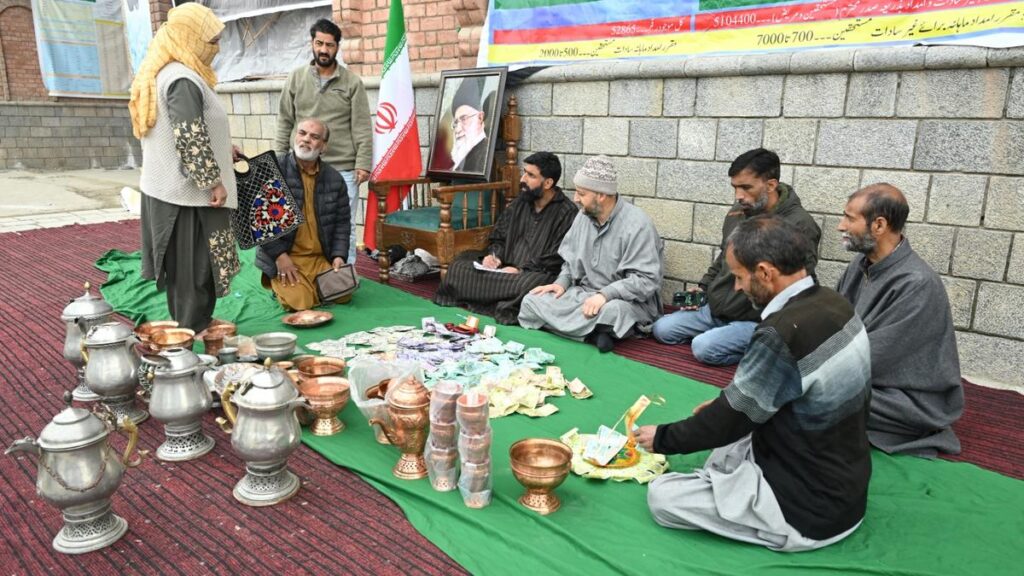
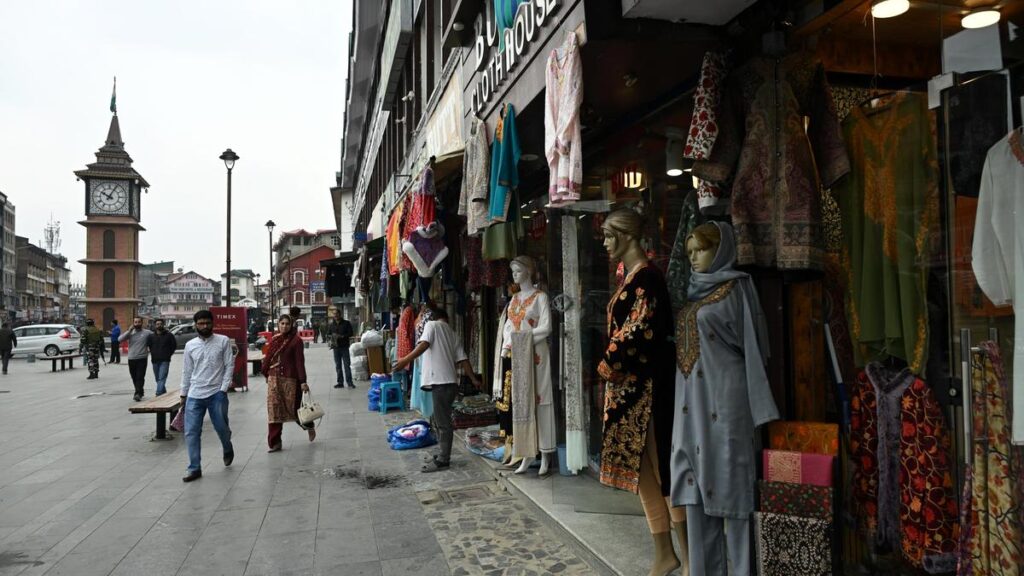
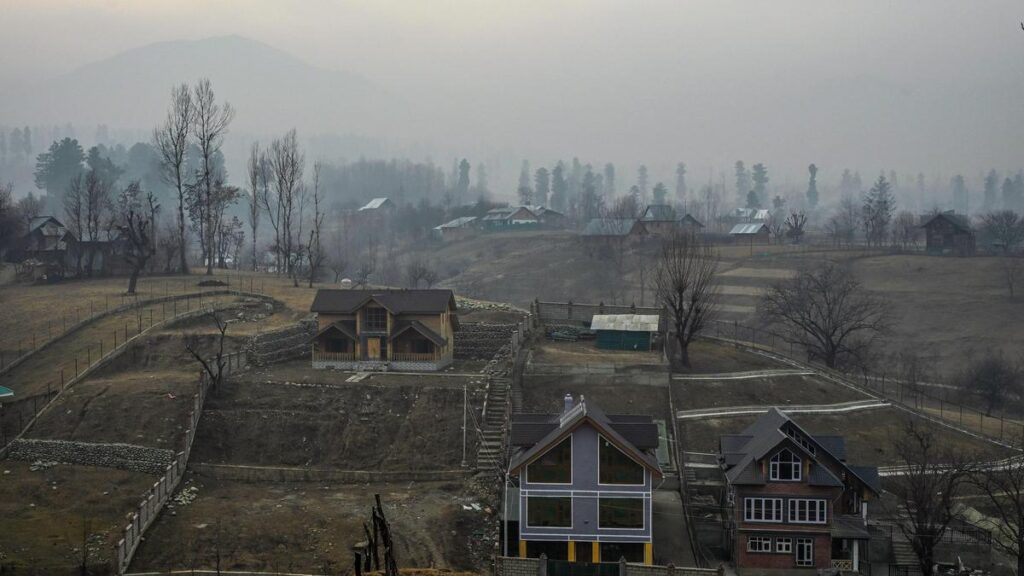
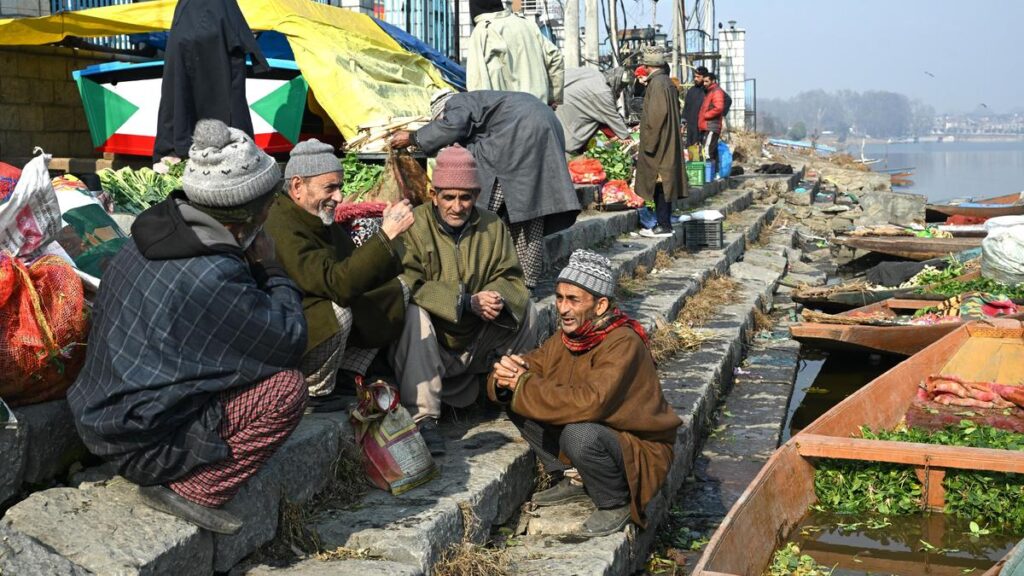
In Kashmir, tea is not just a beverage—it is a ritual, a refuge, and a reflection of culture. Whether it is the salty warmth of noon chai on a winter morning or the aromatic comfort of kehwa shared with guests, tea is woven into the fabric of daily life in the Valley.
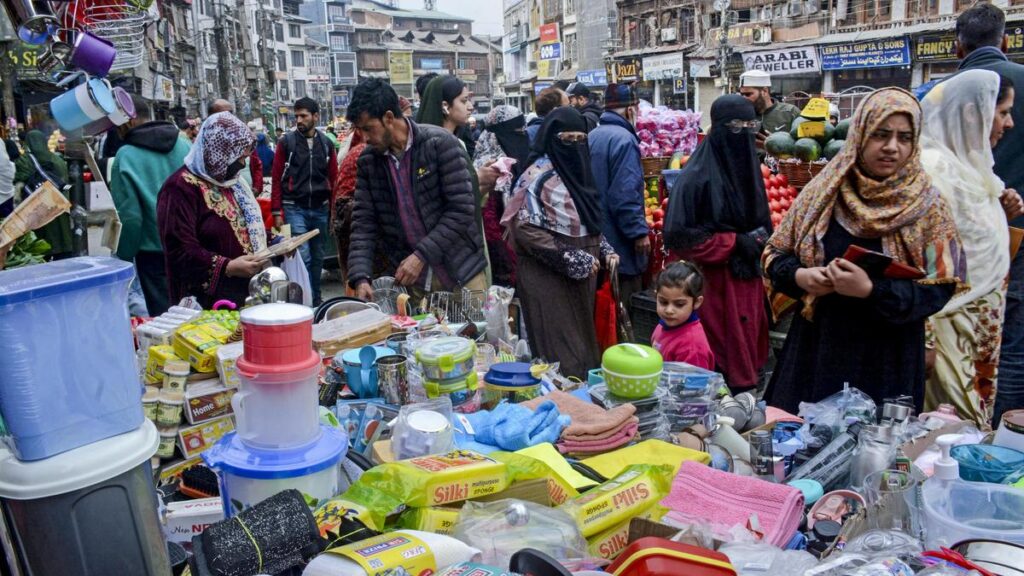
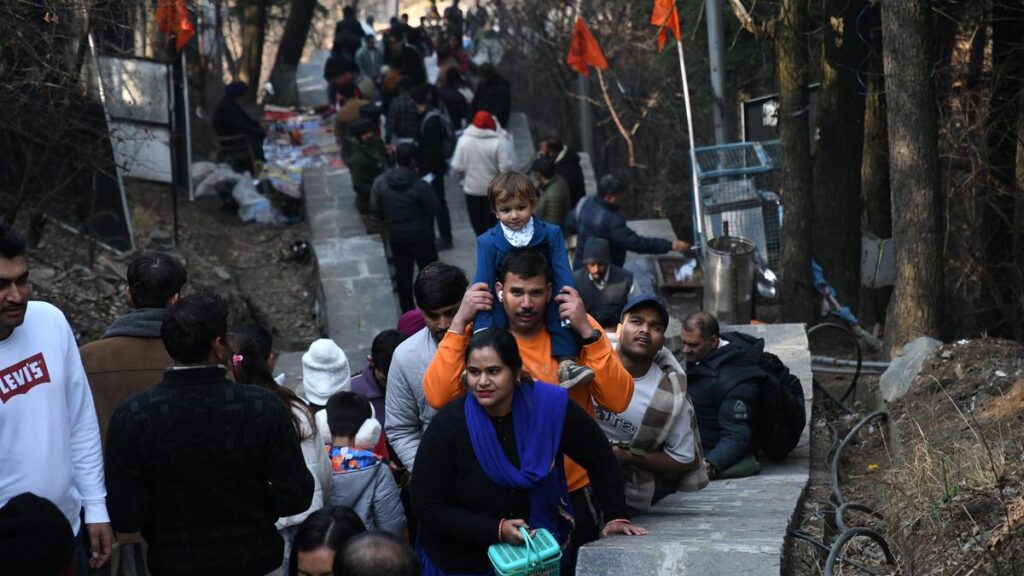
Across households, workplaces, and roadside stalls, tea punctuates the day—often consumed multiple times, sometimes as a substitute for meals. It brings people together, offers relief from cold, and carries a deep sense of belonging. But as this cherished tradition continues, an important question emerges: is this comfort coming at a hidden cost to our health?
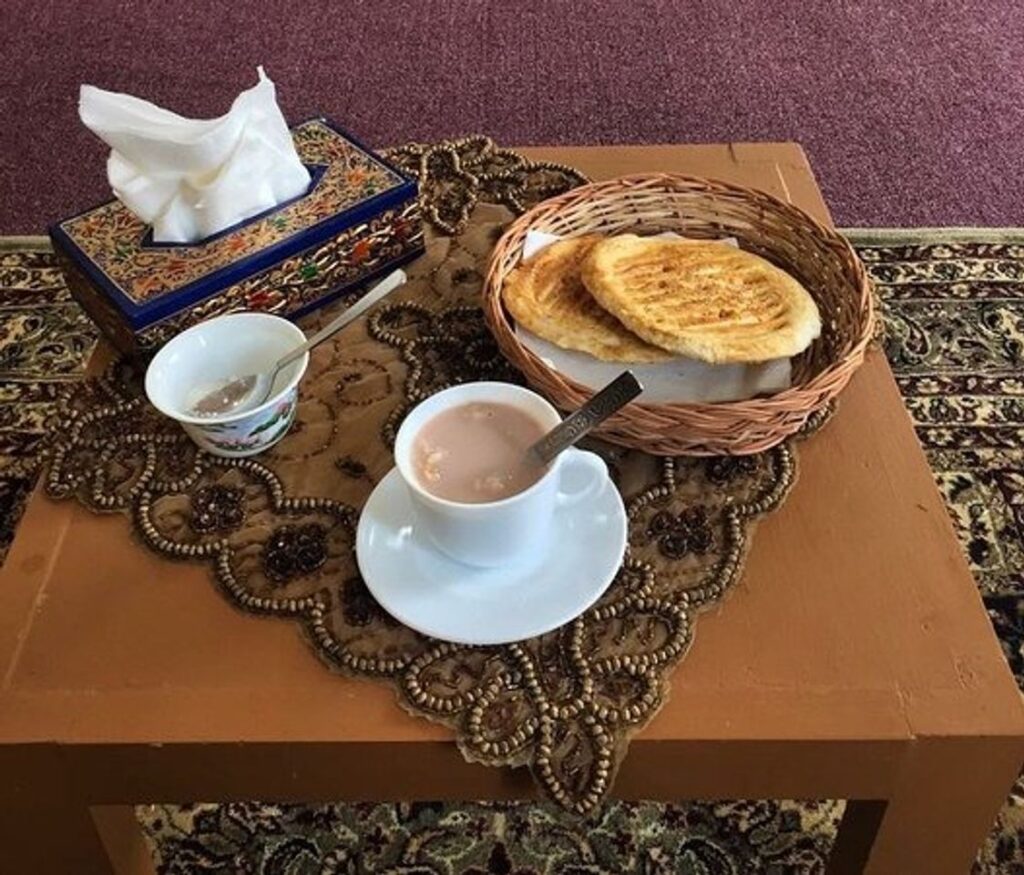
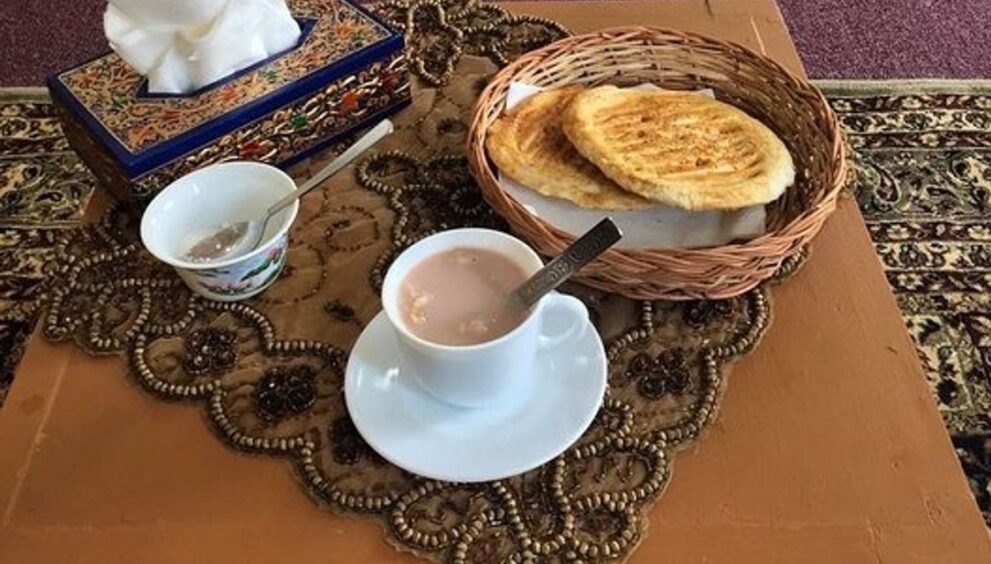
Noon chai, one of the most widely consumed beverages in Kashmir, is distinct for its pink color and salty taste. Prepared with tea leaves, milk, baking soda, and salt, it is often accompanied by bread or bakery items. While culturally significant, this preparation introduces high levels of sodium into the daily diet. When consumed repeatedly throughout the day, it can significantly contribute to overall salt intake.
Excess salt consumption is strongly linked to hypertension, a major risk factor for heart disease and stroke. In a population already witnessing a rise in cardiovascular conditions, such dietary patterns deserve closer attention. What makes this risk subtle is that it is rarely perceived as harmful—tea is seen as harmless, even beneficial.
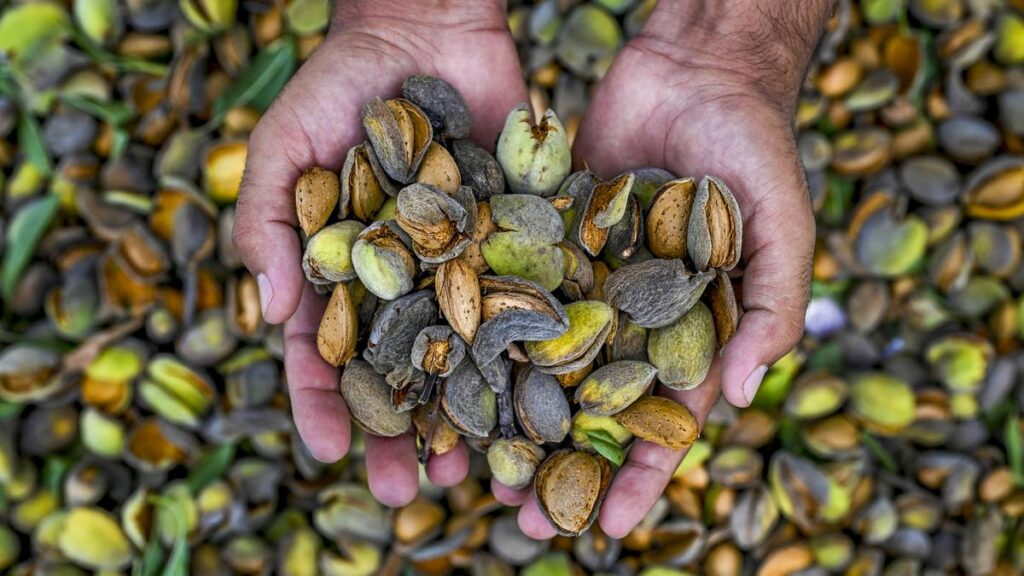
Kehwa, on the other hand, is often viewed as the healthier alternative. Infused with saffron, cinnamon, and sometimes almonds, it does offer certain antioxidant properties. However, its benefits depend on how it is consumed. Frequent intake with added sugar, or as a replacement for balanced meals, can still contribute to metabolic imbalance, especially when combined with an otherwise carbohydrate-heavy diet.
Another overlooked aspect is the frequency of tea consumption. Many individuals in Kashmir consume tea four to six times a day, sometimes more during winter months. This habitual intake can lead to reduced appetite for nutritionally balanced meals, reinforcing a pattern of high-calorie but low-nutrient consumption.
Tea also interacts with nutrition in less obvious ways. Regular consumption of tea, particularly around meal times, can interfere with iron absorption, increasing the risk of anemia—especially among women and young adults. In a region where dietary diversity may already be limited during certain seasons, this becomes an important concern.
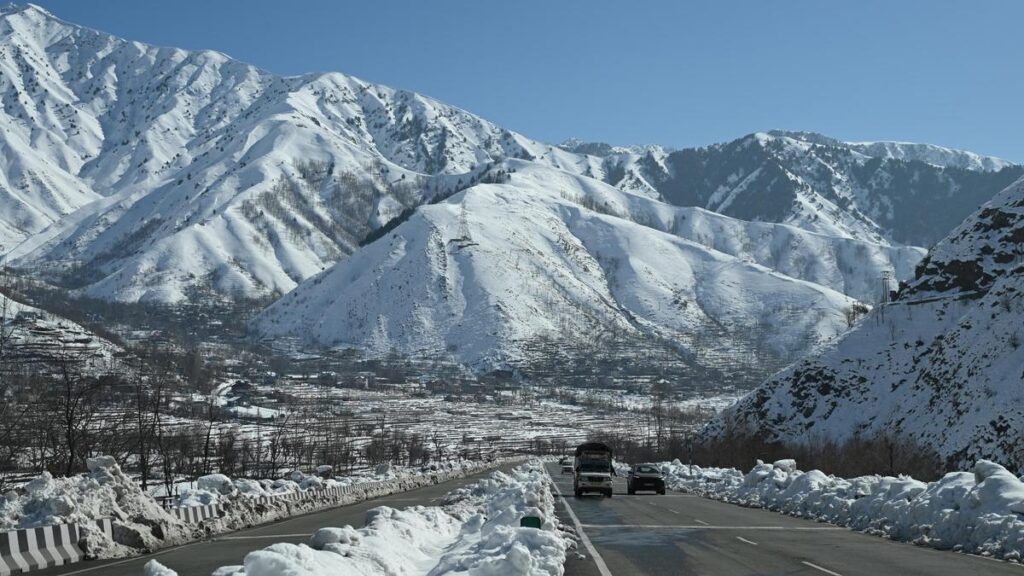
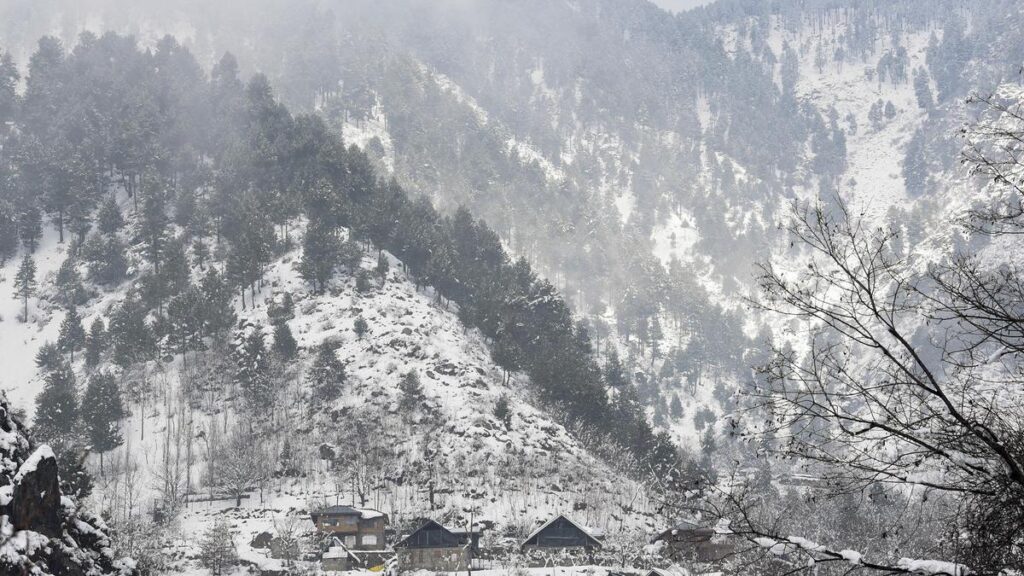
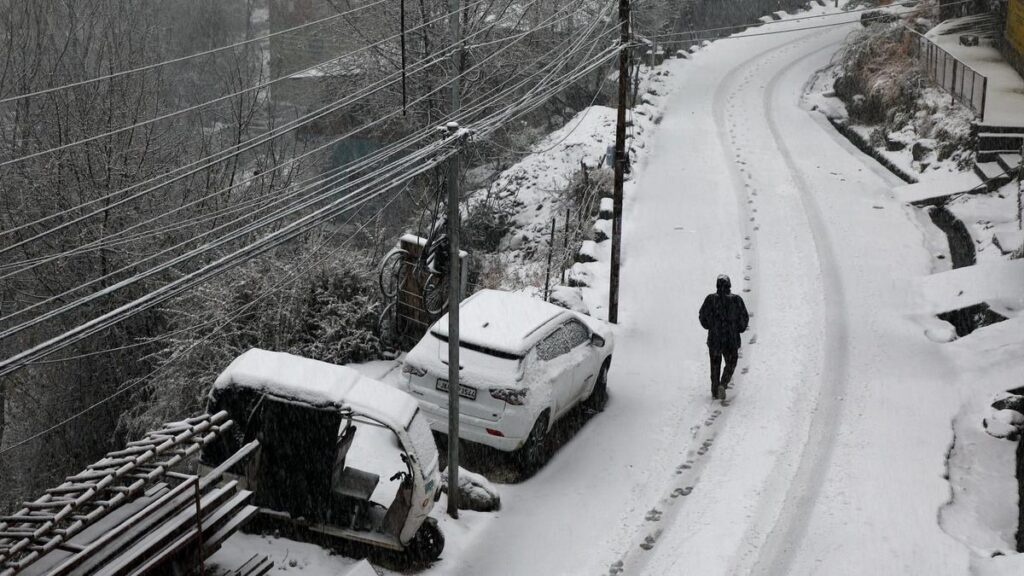
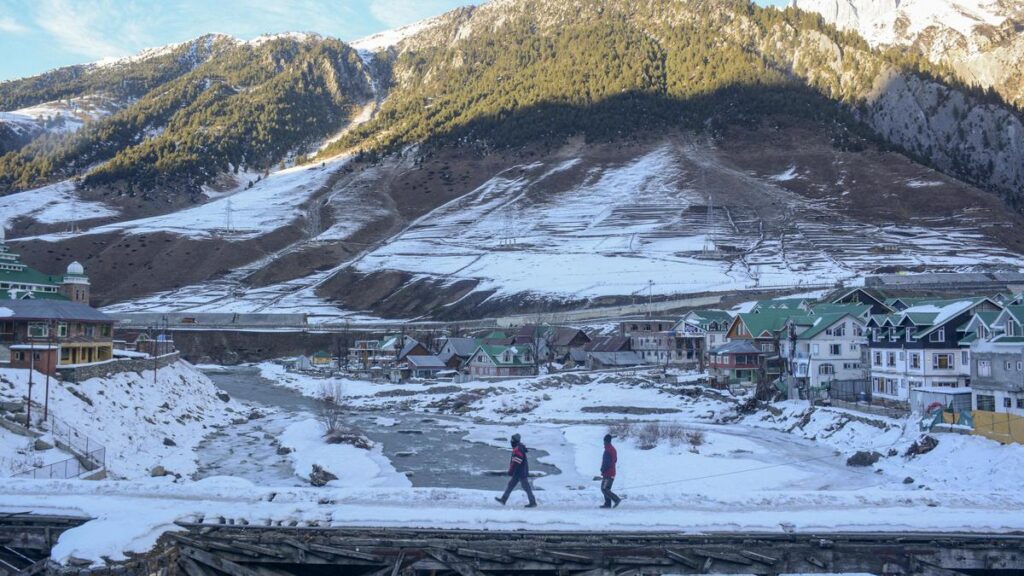
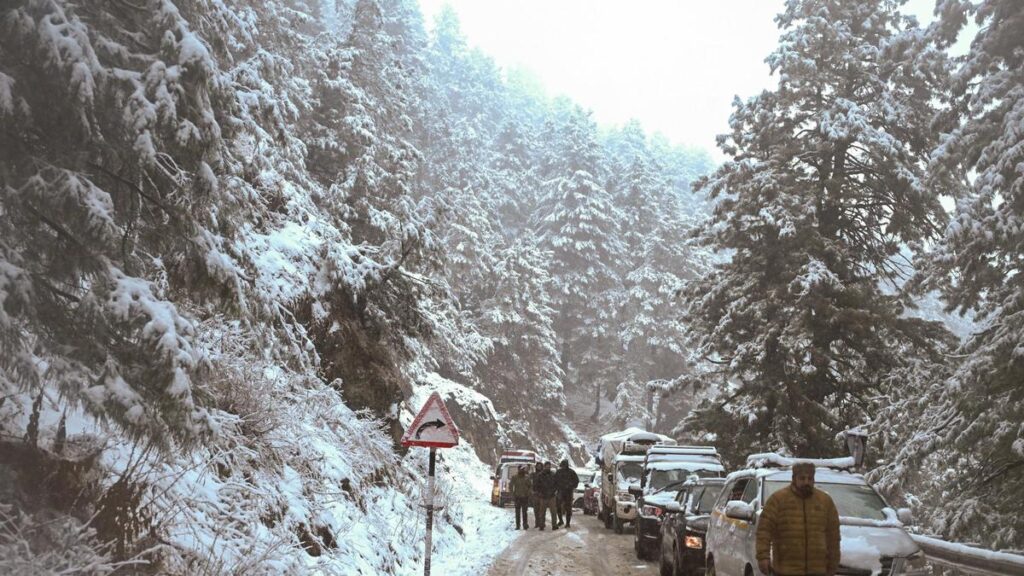
The context of winter further amplifies these risks. Harsh weather encourages indoor living, reduced physical activity, and increased reliance on warm beverages. Tea becomes not just a drink, but a coping mechanism—often paired with sedentary routines and calorie-dense snacks. Together, these factors contribute to a rising burden of cardiometabolic disorders, including obesity, hypertension, and early-onset diabetes.
Yet, it is important to recognize that tea itself is not the problem. It is the pattern, preparation, and perception that matter. Kashmir’s tea culture is a source of identity and comfort, and it need not be abandoned. Instead, it calls for mindful adaptation.
Simple changes can make a meaningful difference. Reducing salt in noon chai, limiting the number of cups per day, avoiding tea immediately after meals, and pairing it with healthier food choices can help mitigate risk. Promoting awareness about hidden salt intake and encouraging balanced diets alongside traditional practices are essential steps forward.
Kashmir’s tea culture has long been a symbol of warmth—both physical and emotional. But in an era of changing health patterns, it is time to look beyond tradition and examine its impact.
Because what comforts us daily should not quietly harm us over time.