English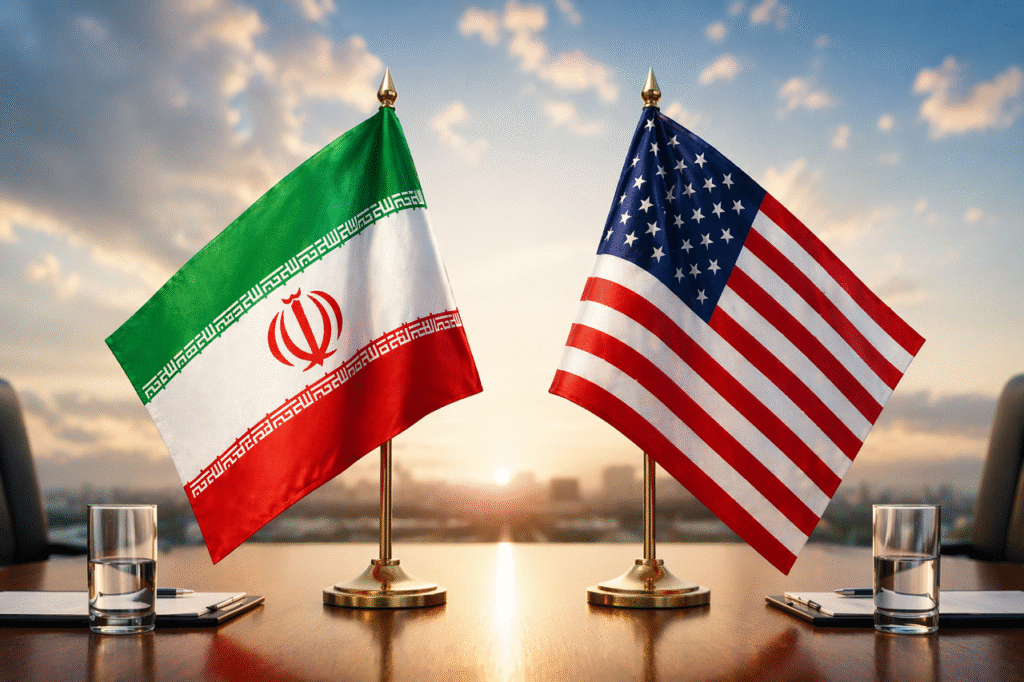































































































































































































































Diplomacy Hits Deadlock

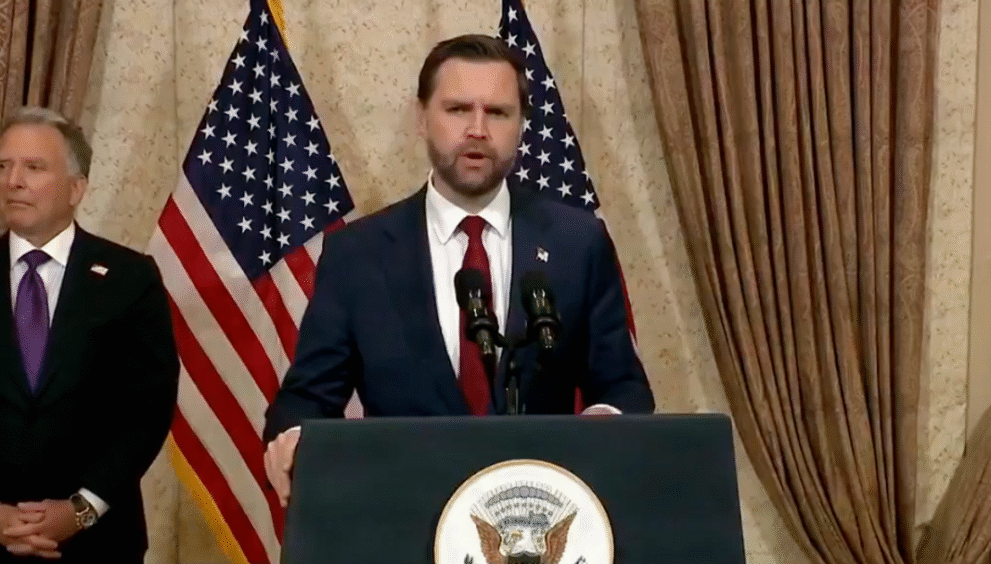

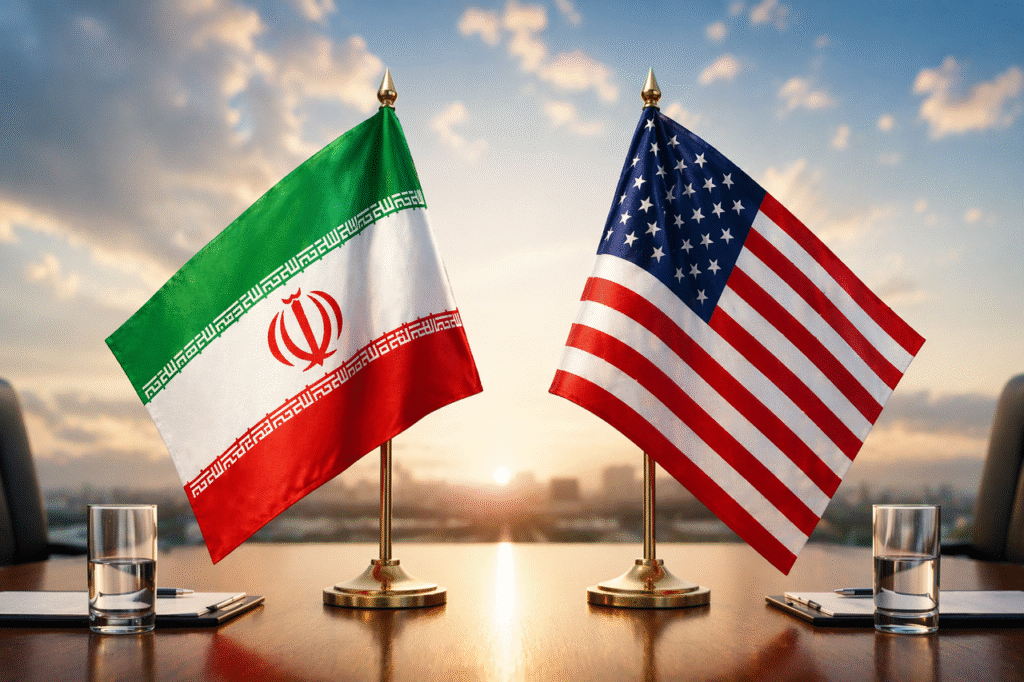
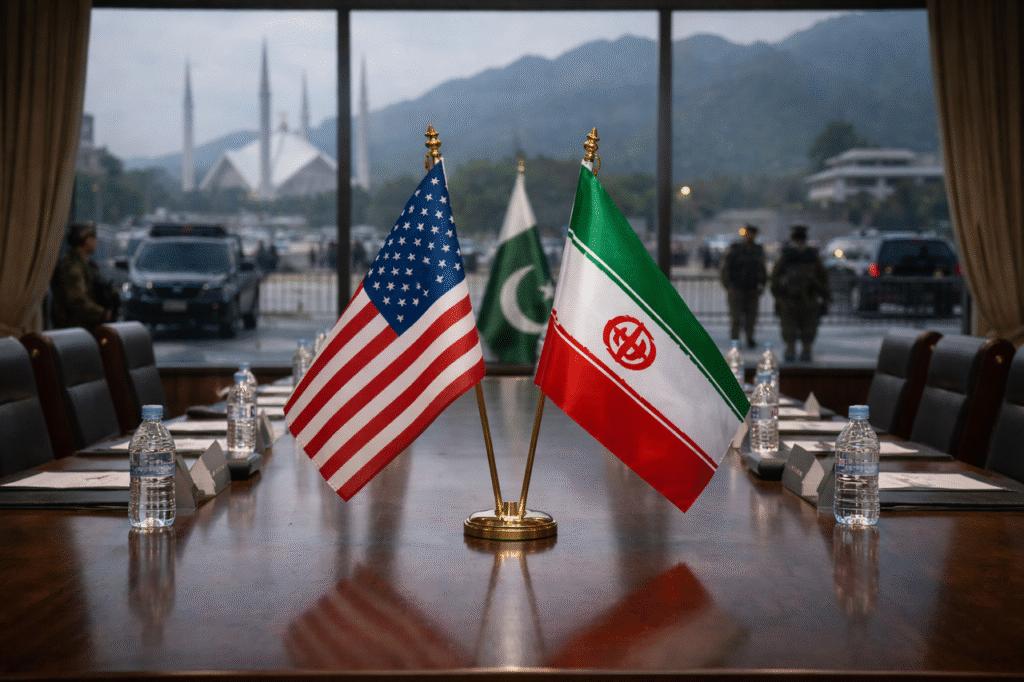
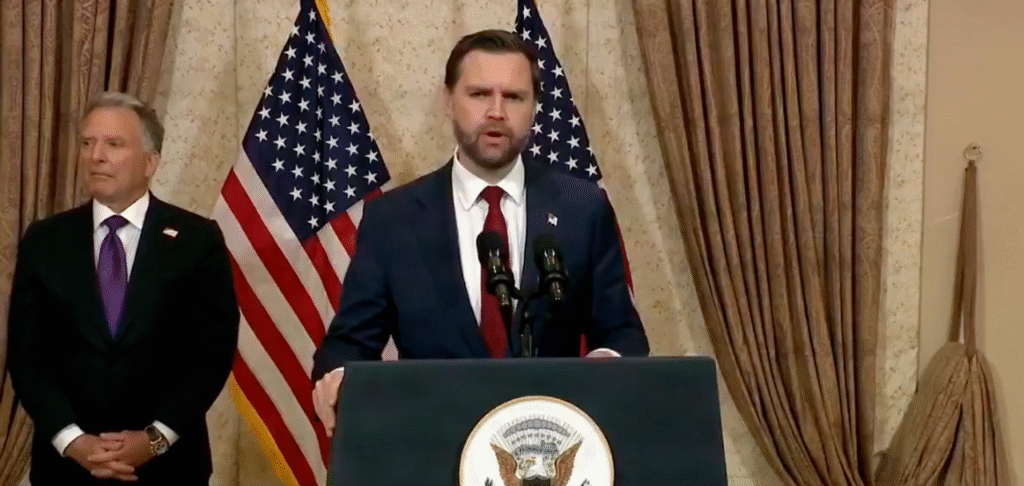
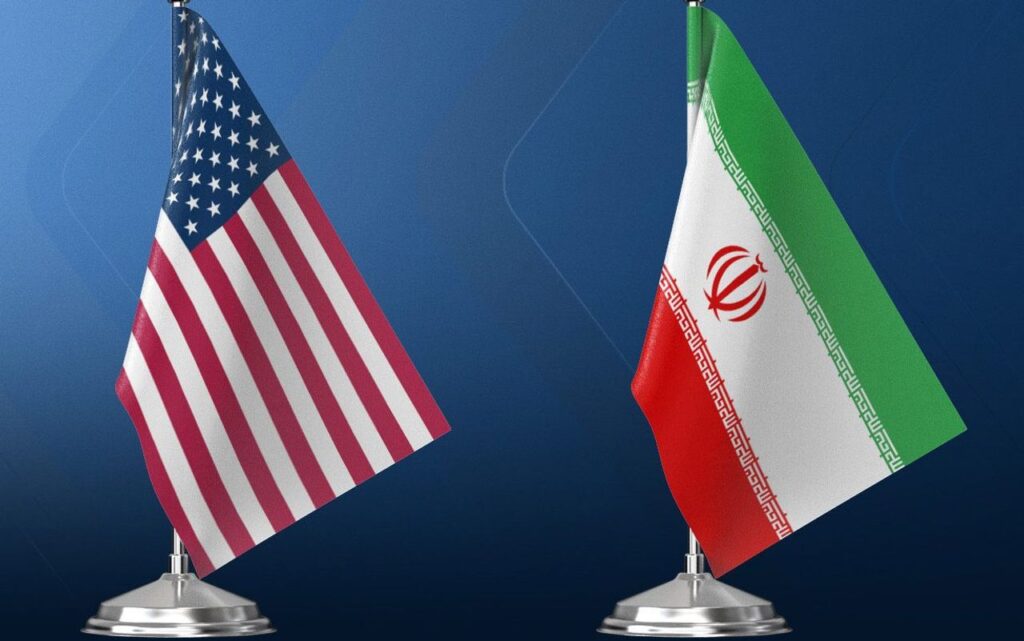
New Delhi, Apr 12: Peace talks between the United States and Iran in Islamabad ended without an agreement after more than 21 hours of negotiations, with US Vice President J D Vance saying Washington’s key demands were not accepted by Tehran.
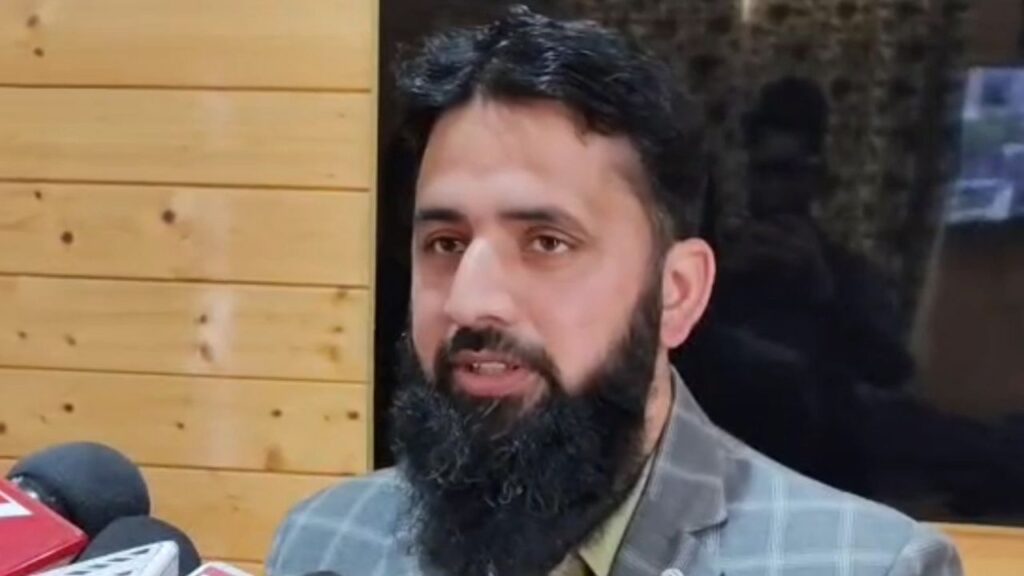
Addressing reporters after the talks, Vance said the discussions, brokered by Pakistan, had been exhaustive but ultimately inconclusive.
“We have been at it now for 21 hours,” he said. “The bad news is that we have not reached an agreement. We just could not get to a situation where the Iranians would accept our terms.”
Vance said that the United States had made its “red lines” clear during the negotiations.
Standing alongside him were senior members of the US delegation, including White House adviser Jared Kushner and special envoy Steve Witkoff, who had participated in the high-level talks with Iranian officials.
Despite the failure to secure a deal, Vance insisted Washington had approached the negotiations constructively.
“We came into this with flexibility and in good faith,” he said, describing the US position as “quite accommodating”.
“We leave here with a very simple proposal… our final and best offer. We’ll see if the Iranians accept it,” he said, confirming that the US delegation would now depart Pakistan.
Vance also highlighted that curbing Iran’s nuclear ambitions remained Washington’s central objective.
“The simple fact is that we need to see an affirmative commitment that they will not seek a nuclear weapon and they will not seek the tools that will enable them to quickly achieve a nuclear weapon,” he said, calling it President Donald Trump’s “core goal”.
While claiming Iran’s nuclear programme had already “been destroyed” during the conflict, Vance stressed that what was lacking was “a fundamental commitment of will” from Tehran.
“We haven’t seen that yet. We hope we will,” he said.
Earlier, Iran had signalled a markedly different view of the talks.
In a statement, foreign ministry spokesperson EsmaeilBaqaei described the negotiations as “intensive” but said their success “depends on the seriousness and good faith of the opposing side”.
He urged Washington to “refrain from excessive demands and unlawful requests” and to recognise “Iran’s legitimate rights and interests”, indicating the core gap between the two sides.
Iranian officials maintained that they had entered the talks with an open mind but would not accept conditions they view as infringing on sovereignty, particularly regarding their nuclear programme and regional security concerns.
The talks, hosted in Islamabad with mediation by Pakistani Prime Minister Shehbaz Sharif and Pakistan’s military leadership under Field Marshal AsimMunir, had initially been seen as a diplomatic breakthrough after decades of hostility between Washington and Tehran.
Key issues under discussion included Iran’s nuclear programme, maritime security in the Strait of Hormuz, and a broader framework for ending ongoing hostilities.
Even as diplomacy unfolded, tensions persisted on the ground.
The United States Central Command said two US Navy destroyers, USS Frank EbPetersen Jr and USS Michael Murphy, had passed through the Strait of Hormuz to begin clearing sea mines, a claim Iran’s military denied.
Regionally, Israel continued strikes on Hezbollah targets in Lebanon, with Israeli Prime Minister Benjamin Netanyahu signalling readiness for separate negotiations while calling for Hezbollah’s disarmament.
The talks marked the most sustained face-to-face engagement between the US and Iran in years, raising hopes of de-escalation after recent conflict.
However, the failure to reach agreement highlights the deep divisions that remain.
For now, both sides return home claiming principle and resolve, Washington pointing to its “final offer”, and Tehran insisting on its rights, leaving the prospect of a breakthrough uncertain.