English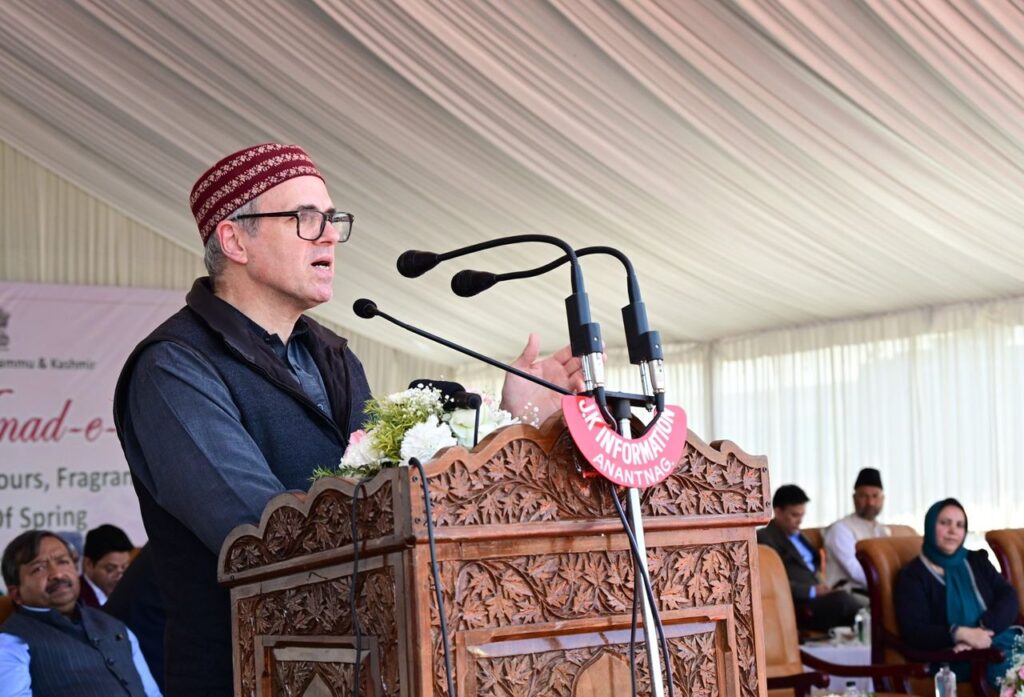




























































































































































































































































































NCSS, IDS take centre stage as Kashmir industry highlights ground realities at DPIIT workshop

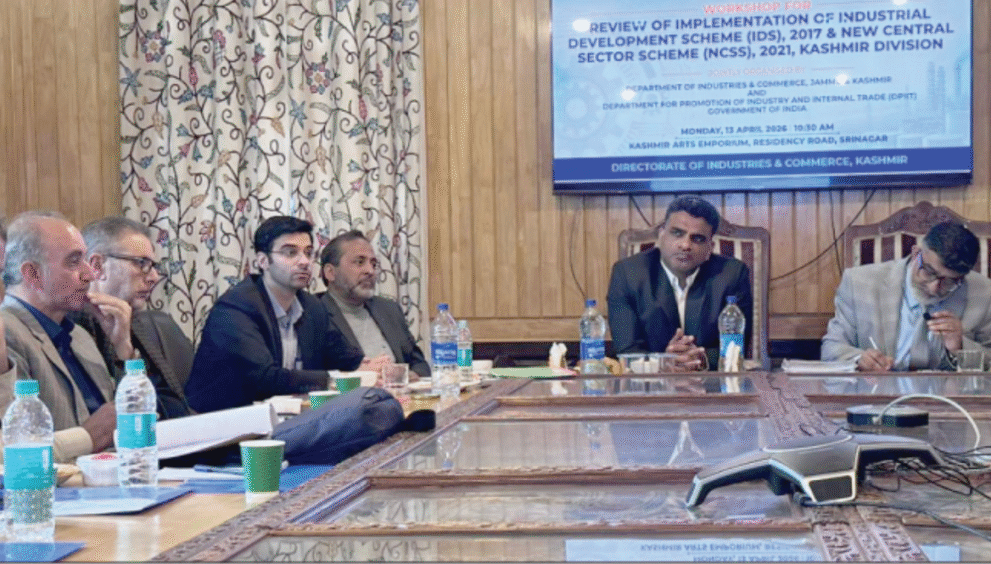

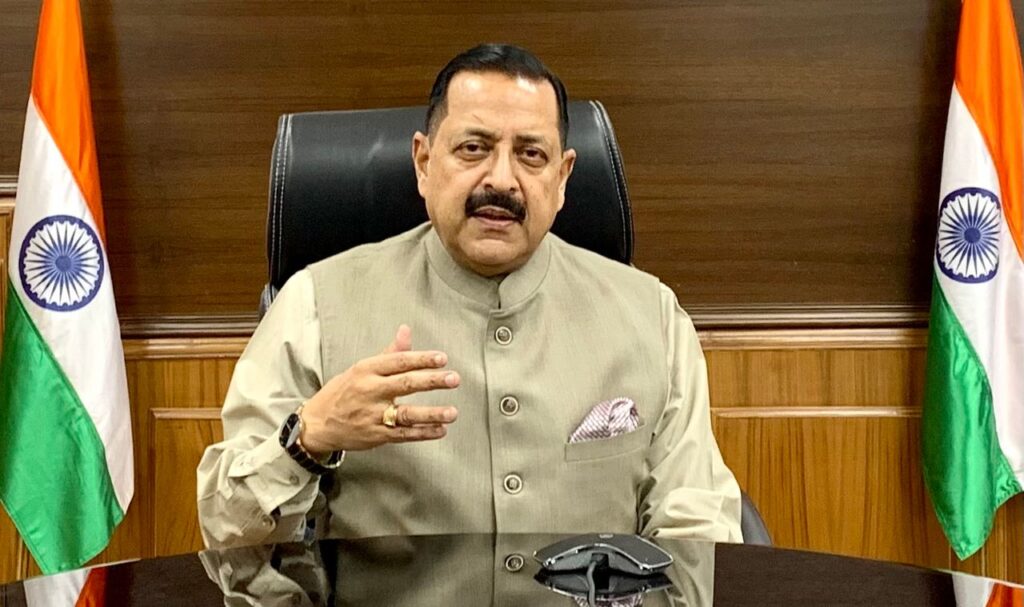
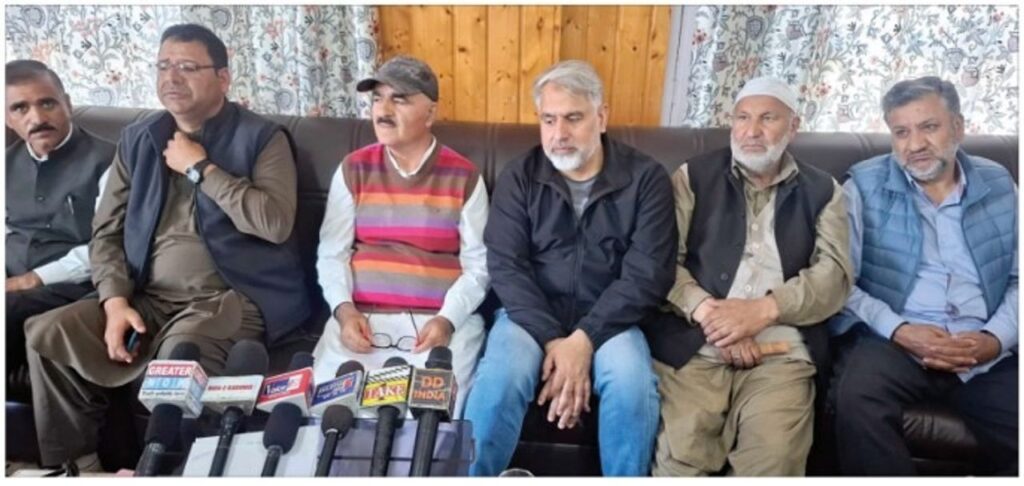
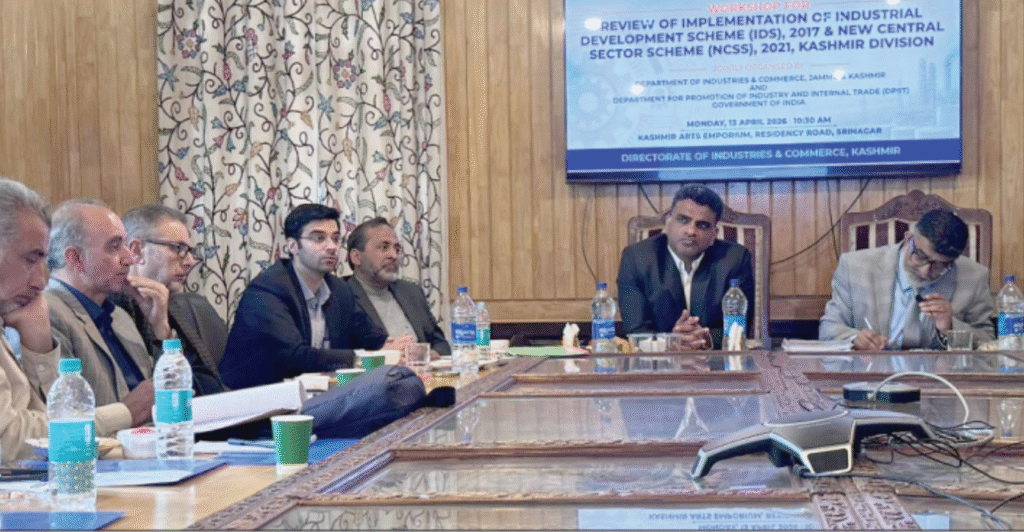
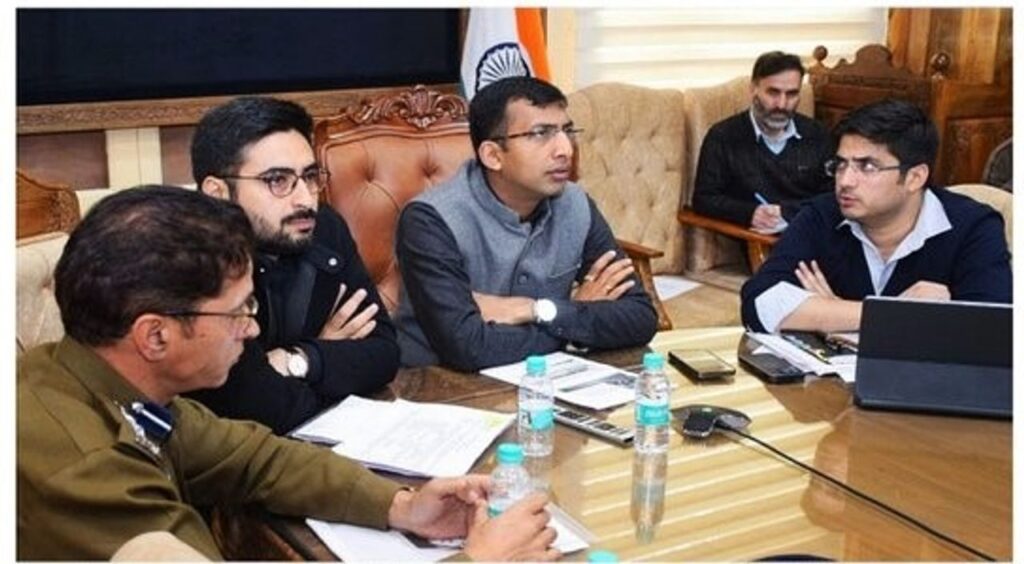
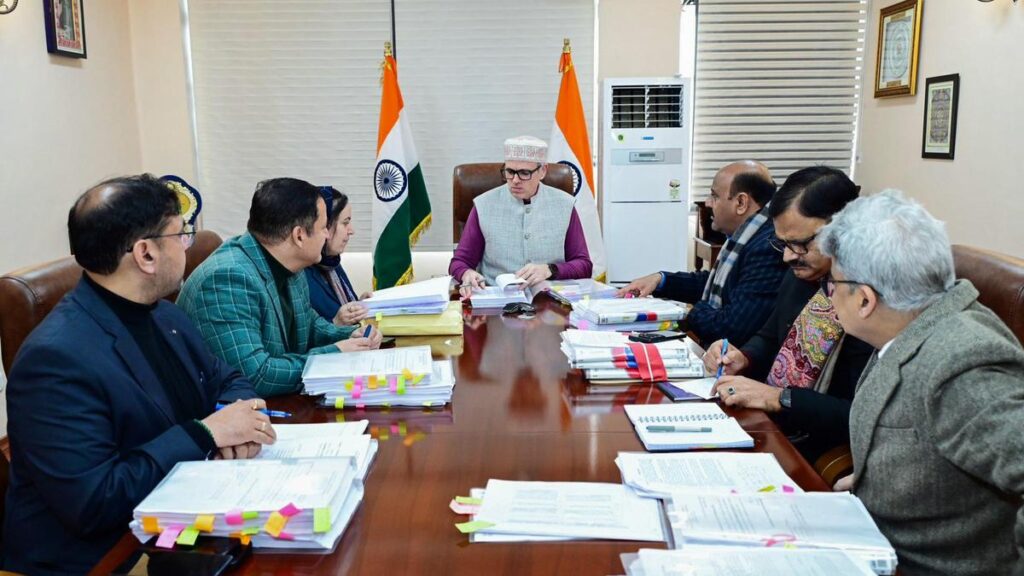
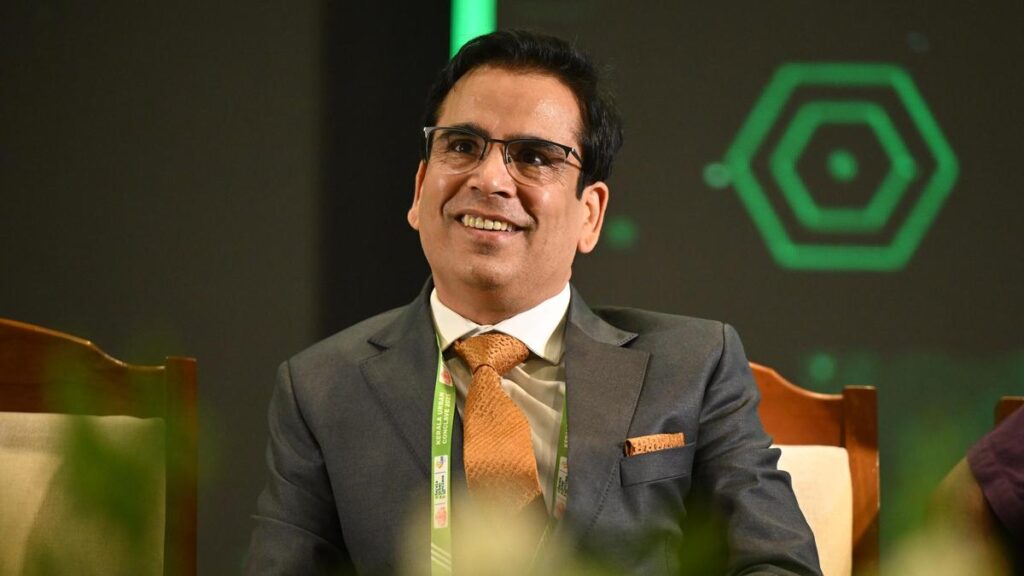
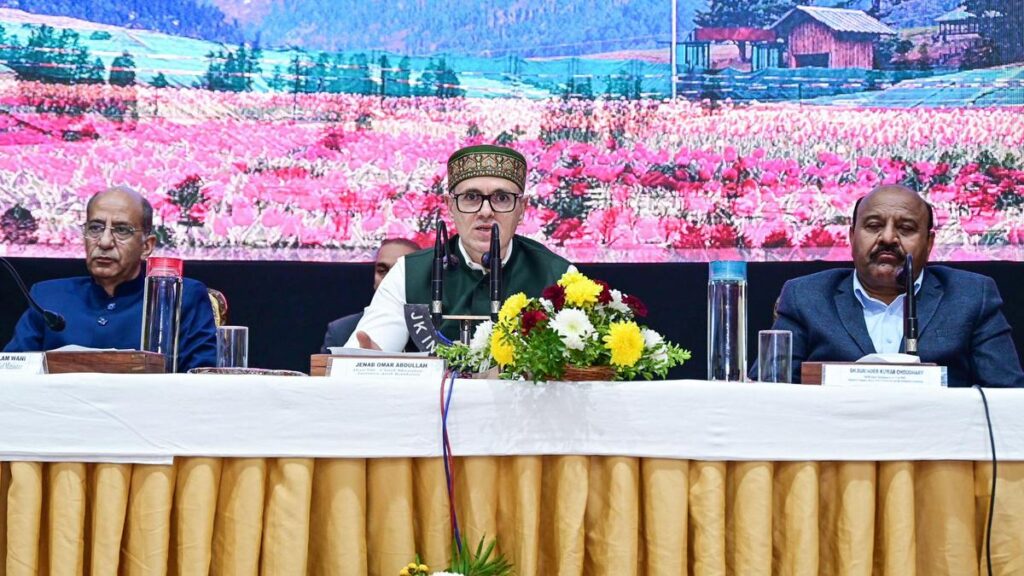
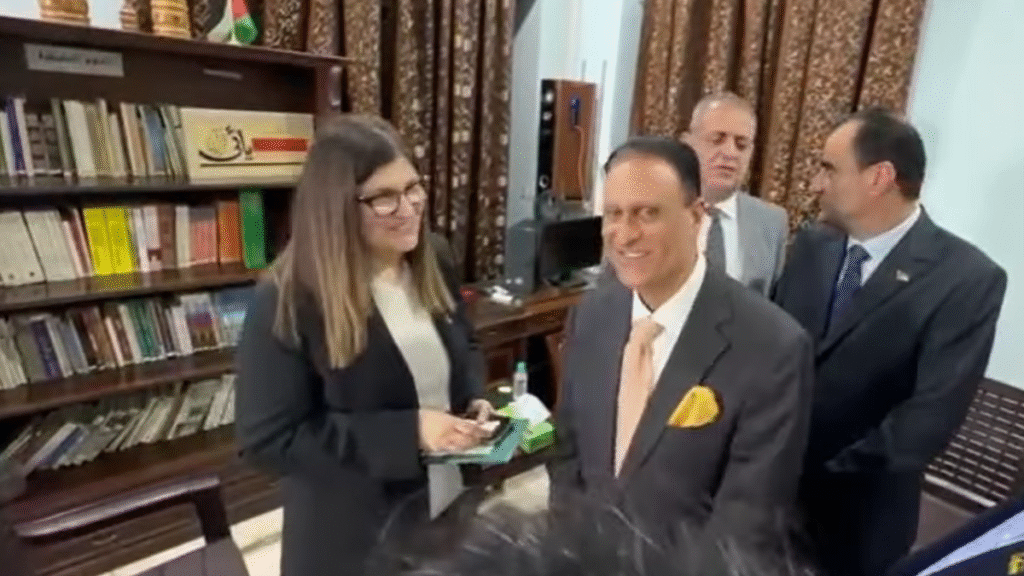
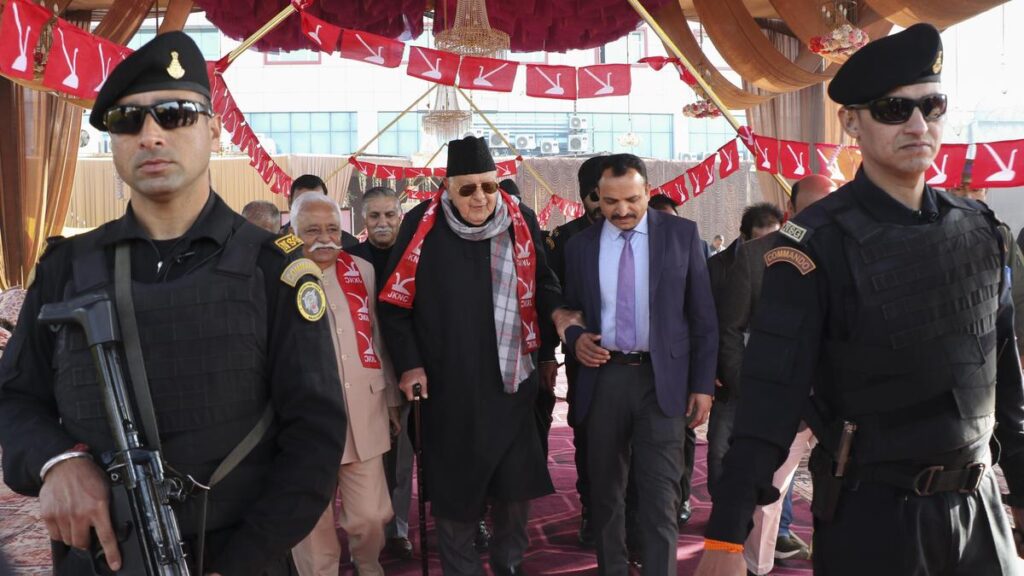
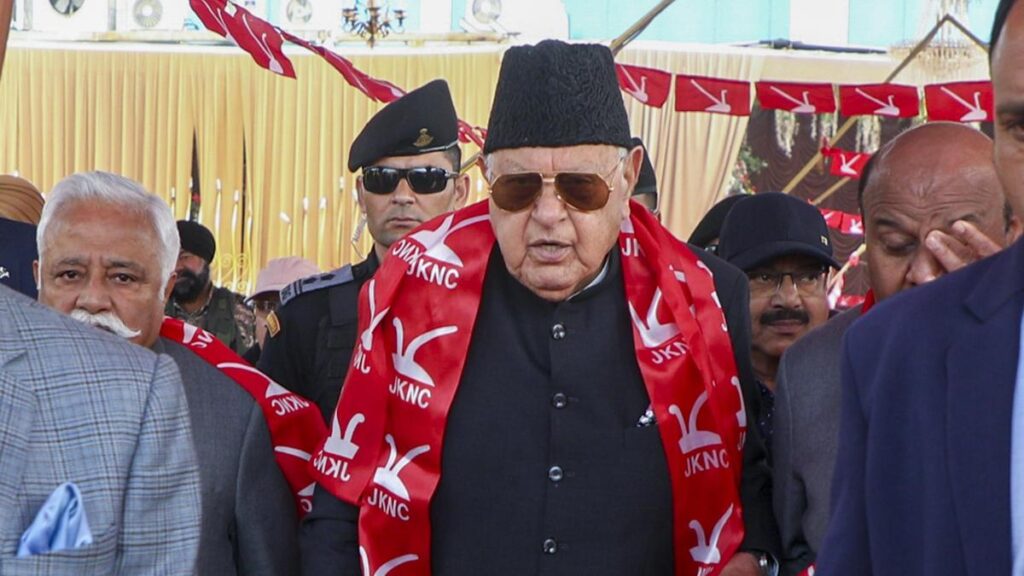
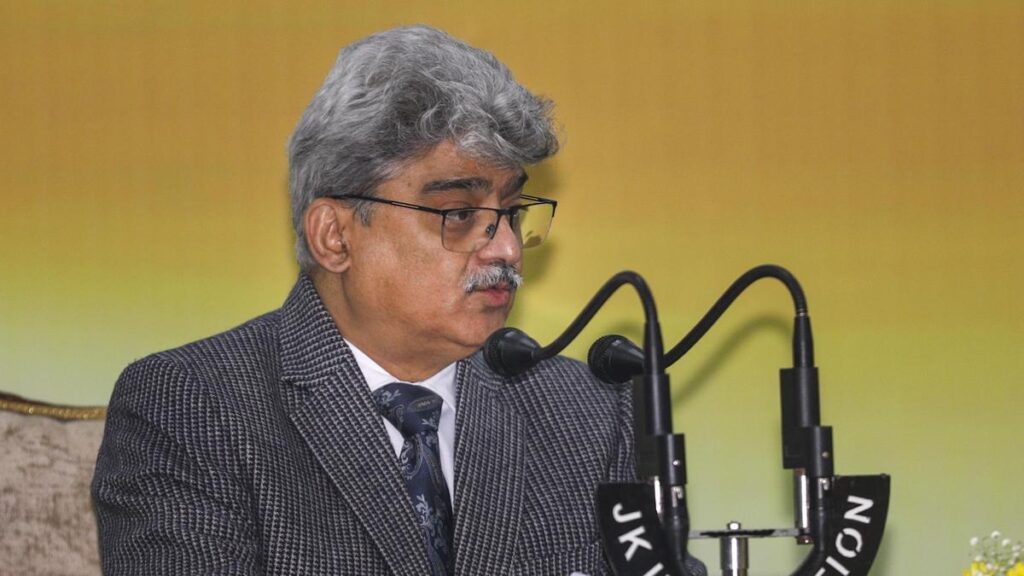
Senior officials from the Department for Promotion of Industry and Internal Trade (DPIIT), led by Director Rajesh Pawar, held a key workshop where industry stakeholders highlighted critical concerns surrounding the implementation of NCSS and IDS schemes.
Moderated by Director Industries & Commerce Khalid Majid, the session saw business chambers and industry bodies present a candid account of bottlenecks, delays, and on-ground challenges affecting enterprises under the NCSS and IDS frameworks in Kashmir.
FCIK Flags Deep Imbalances in NCSS Implementation
The Federation of Chambers of Industries Kashmir (FCIK) has raised serious concerns over what it described as growing imbalances in industrial development under the New Central Sector Scheme (NCSS), 2021, calling for immediate corrective measures to ensure equitable growth across Jammu and Kashmir.
FCIK stated that, much like the 2002 industrial package, the benefits of NCSS are increasingly getting concentrated in a few districts, leaving large parts of Jammu & Kashmir outside the ambit of industrial growth. This skewed distribution, it noted, undermines the objective of balanced regional development.
Highlighting stark disparities, the Federation pointed out that out of the total Rs 28,400 crore outlay, nearly Rs 20,000 crore is likely to be cornered by just 18 large units. Such concentration, it said, raises serious concerns about equity and inclusiveness in policy implementation.
The Federation also flagged the exclusion of existing industrial units, many of which have survived decades of adverse conditions. It said the lack of meaningful support under NCSS has increased their vulnerability and hindered prospects for revival, expansion, and optimal capacity utilisation.
FCIK urged DPIIT to incorporate corrective measures in the next phase or extension of the scheme, including equitable allocation of incentives across districts and a dedicated window for revival and expansion of existing units. It also proposed a bridge funding mechanism of Rs 5,000–10,000 crore to unlock idle capacity and potentially generate employment for up to five lakh people.
The Federation further highlighted procedural bottlenecks, noting that several units are facing delays despite compliance. GST-linked incentives remain pending, and units are being asked to submit extensive hard documentation despite provisions for online processing.
It also raised concerns about genuine investors being excluded on technical grounds, sector-specific anomalies in areas like mini hydel projects, and restrictive cost considerations for imported machinery.
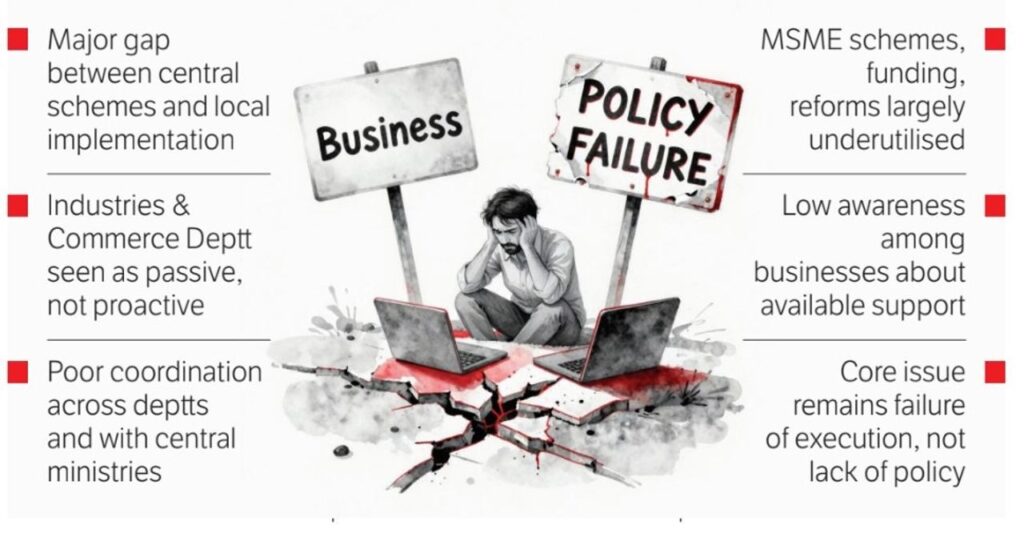
FCIK concluded that while NCSS is ambitious in design, its implementation has been marked by procedural rigidity and a widening gap between policy intent and ground realities.
KCCI Seeks 25% Share for Local Entrepreneurs in NCSS
The Kashmir Chamber of Commerce and Industry (KCCI) raised critical concerns over the implementation of the New Central Sector Scheme (NCSS) 2021 and the Industrial Development Scheme (IDS) 2017 during a high-level review meeting held in Srinagar, highlighting gaps between policy intent and ground realities.
KCCI was represented by its Horticulture Sub-Committee Chairman, Ashiq Hussain Shangloo, who presented a detailed account of challenges faced by local enterprises.
KCCI welcomed the Rs 28,400 crore NCSS but flagged that the abrupt closure of the registration window on September 30, 2024, has excluded several genuine entrepreneurs who were in advanced stages of setting up their units. It urged authorities to reopen or extend the window, noting that unresolved departmental formalities in many pending cases have further deepened uncertainty.
The Chamber also highlighted significant regional imbalance in the distribution of benefits. Of 2,036 registered units, only 953 have been granted eligibility, while a substantial portion of the Rs 28,400 crore outlay—estimated at over ₹20,000 crore—is likely to be absorbed by a limited number of large units, leaving MSMEs with a disproportionately smaller share.
KCCI termed this concentration contrary to the principle of inclusive growth and called for a dedicated 25 percent quota for Jammu and Kashmir to ensure equitable distribution. It also underlined the Valley’s geographical disadvantage, stating that higher logistics and operational costs due to its landlocked nature must be factored into policy design.
A key concern raised was the exclusion of existing MSMEs, which have sustained the region’s economy over decades. KCCI urged the government to create a mechanism to extend benefits to these units and recommended that pending cases receive at least 25 percent of incentives under any revised framework.
On policy design, KCCI advocated for integration of IDS 2017 benefits—such as insurance and support components—into NCSS 2021, arguing that a unified and comprehensive package is essential for meaningful industrial growth.
The Chamber further called for increasing the scheme’s outlay to Rs 75,000 crore if extended, citing rising demand and a growing number of pending cases. It stressed that any revision must follow meaningful stakeholder consultation to avoid deepening regional disparities and to restore confidence among entrepreneurs.
PHDCCI Kashmir Flags Ground Realities
The PHD Chamber of Commerce and Industry (PHDCCI) Kashmir highlighted key implementation challenges under the NCSS 2021 and IDS 2017 during a high-level review meeting, urging policymakers to address region-specific bottlenecks affecting industrial growth.
PHDCCI Kashmir raised serious concerns over environmental and pollution clearances, terming them as major hurdles that are preventing otherwise eligible industrial units from availing scheme benefits. The Chamber noted that procedural complexities have created artificial barriers, discouraging genuine investors.
The delegation also called for a customised industrial policy tailored to Kashmir’s unique topography and geographical constraints. It argued that a one-size-fits-all approach is unsuitable, citing Ladakh’s region-specific policy framework as a precedent that could be adapted for Kashmir.
While acknowledging that the Rs 28,400 crore NCSS was designed as a transformative package with capital incentives, GST-linked benefits, and interest subvention, PHDCCI observed that the region has seen limited tangible gains due to compliance delays and procedural bottlenecks.
A major concern flagged was the stark regional imbalance in the distribution of benefits. The Chamber pointed out that nearly Rs 20,098 crore has been concentrated among just 18 large units, largely outside Kashmir, leaving local industries struggling to benefit from the scheme.
PHDCCI emphasized that unless these structural and administrative issues are addressed, the schemes risk falling short of their intended objectives of inclusive and balanced industrial development.
CII J&K Pushes Ease of Doing Business, Sector-Based Incentives
The Confederation of Indian Industry (CII) J&K Council called for structural reforms to improve ease of doing business and advocated sector-based allocation of incentives during a high-level review of NCSS 2021 and IDS 2017 in Srinagar.
CII J&K Chairman Iqram Ali Shafiee welcomed the government’s continued push to strengthen the industrial ecosystem through targeted policy interventions. He noted that while Jammu has attracted significant large-scale investments, Kashmir’s industrial landscape remains dominated by micro and small enterprises, requiring a more tailored policy approach.
Highlighting key concerns, Shafiee stressed the urgent need for a robust and truly functional single-window clearance system. He pointed out that delays in approvals from departments such as the Pollution Control Board, Health, Tourism, and Fire & Emergency Services continue to hinder timely project execution and discourage potential investors.
He further recommended that future industrial schemes incorporate provisions like solar subsidies and transport incentives to improve project viability, particularly in geographically challenging regions like Jammu & Kashmir. Such measures, he said, would not only reduce operational costs but also promote sustainable industrial practices.
Emphasizing differentiated policy support, CII proposed separate incentive structures for micro and small enterprises and for large industries. This, Shafiee noted, would ensure that both segments receive targeted support aligned with their distinct growth challenges and capacities.
The meeting concluded with constructive deliberations, with officials assuring stakeholders that the concerns raised would be examined. Participants expressed optimism that improved coordination and policy refinements would accelerate industrial development and create a more enabling business environment in the Kashmir Division.