English










































































































































































































The collapse of political grace

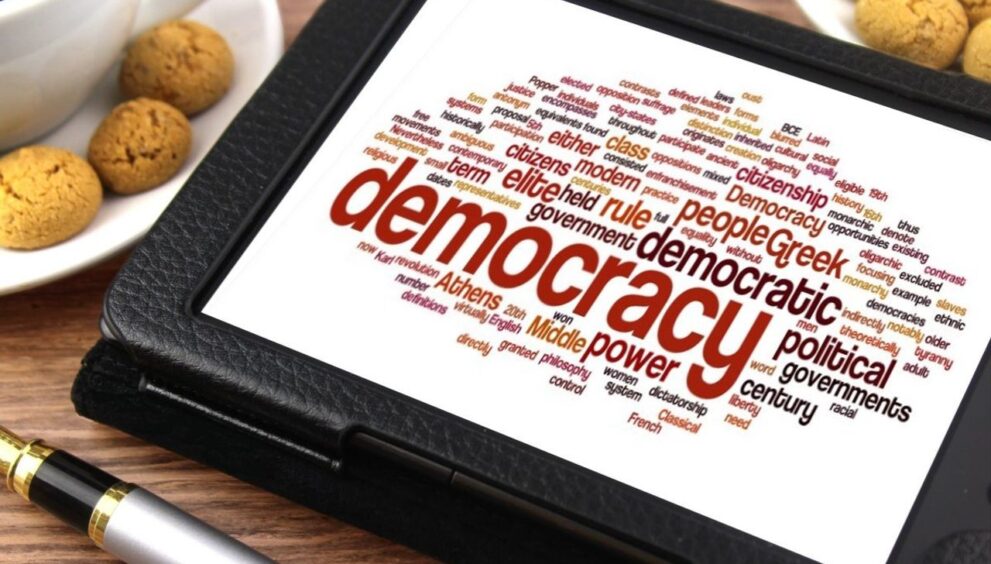

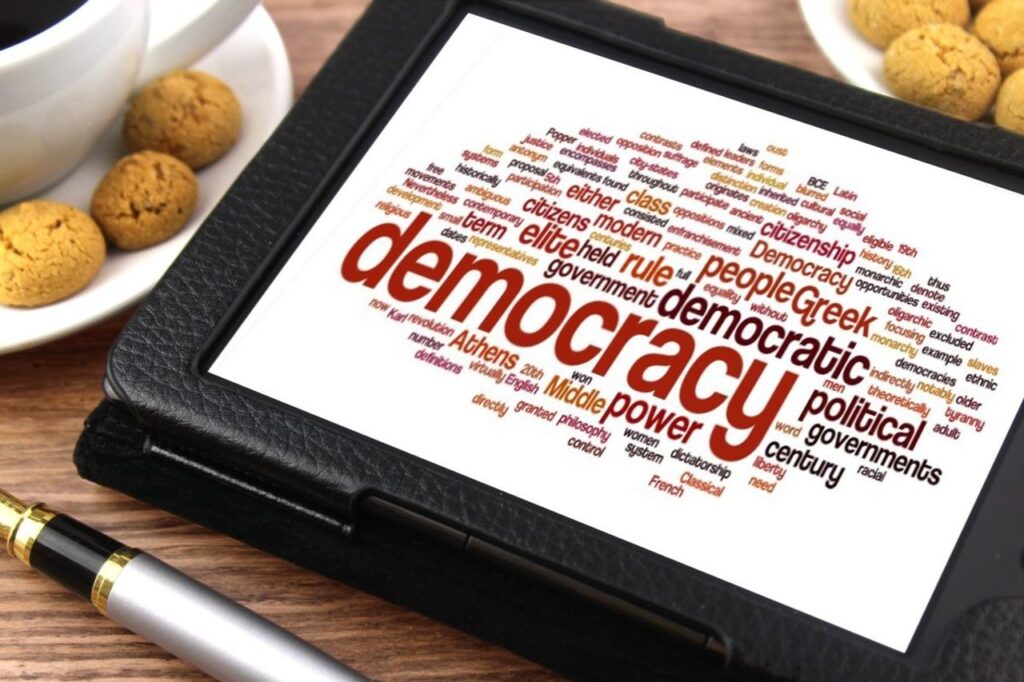
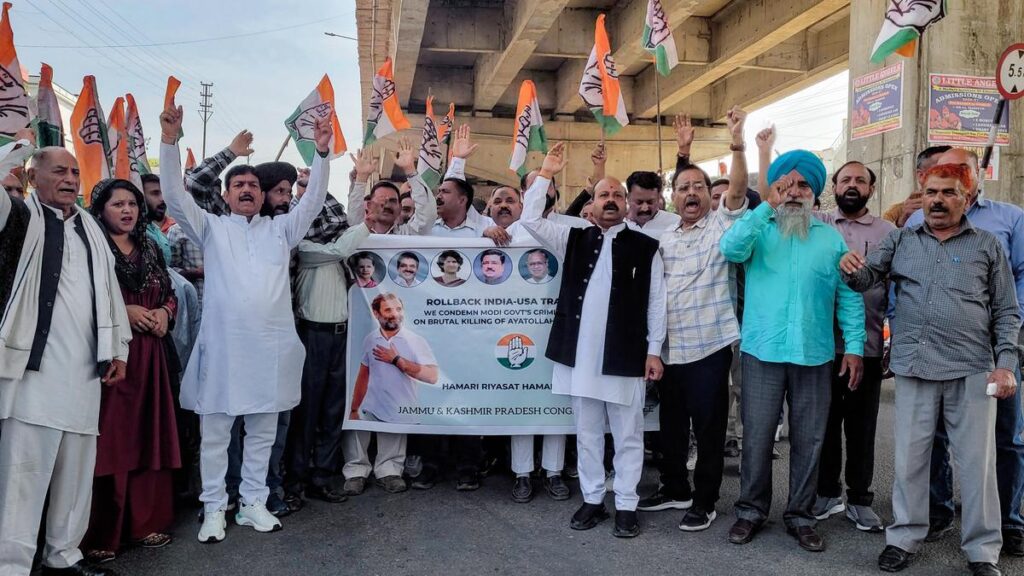
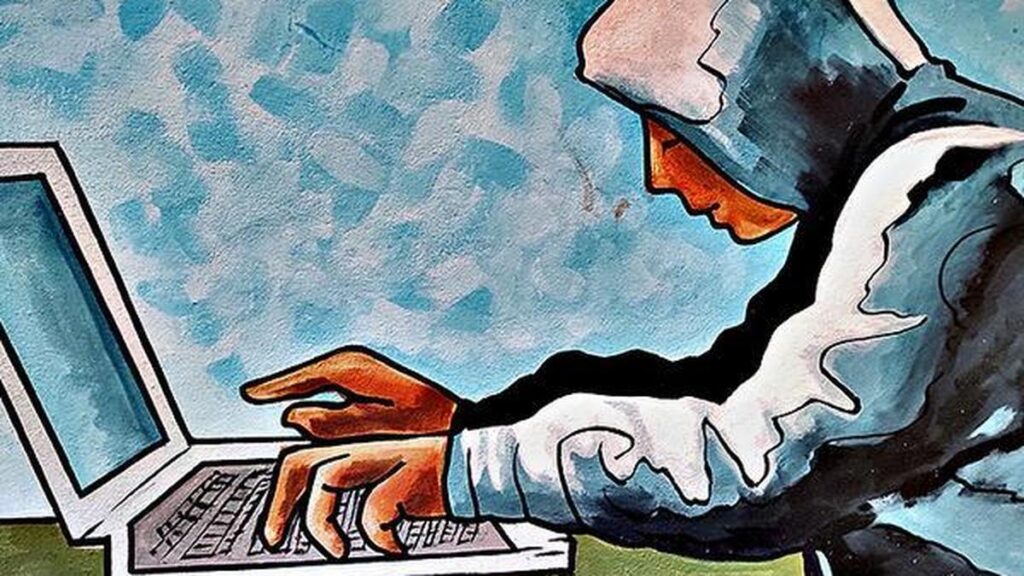
In recent years, Indian politics has increasingly drifted towards a troubling trend; serious allegations being made publicly without immediate proof, followed by counter attack that often descend in to personal attack. As India moves closer to another crucial electoral season, the tone and language of political discourse once again reveal a worrying pattern. Instead of serious debates about governance, economic growth, employment, or national development, the public arena is increasingly dominated by accusations, inflammatory rhetoric, and identity-driven mobilization. What should be a contest of ideas often turns into a contest of insults. In such an environment, a fundamental question arises is democracy being strengthened by elections, or weakened by the poisonous rhetoric surrounding them? India’s democratic system was designed to encourage debate and accountability. Leaders are expected to question one another’s policies, expose corruption where it exists, and present alternative visions for the nation’s future. But in recent years, political competition has increasingly shifted away from evidence-based criticism toward public accusations made without immediate proof. Allegations are often delivered through press conferences, speeches, or social media platforms, creating sensational headlines and viral moments.
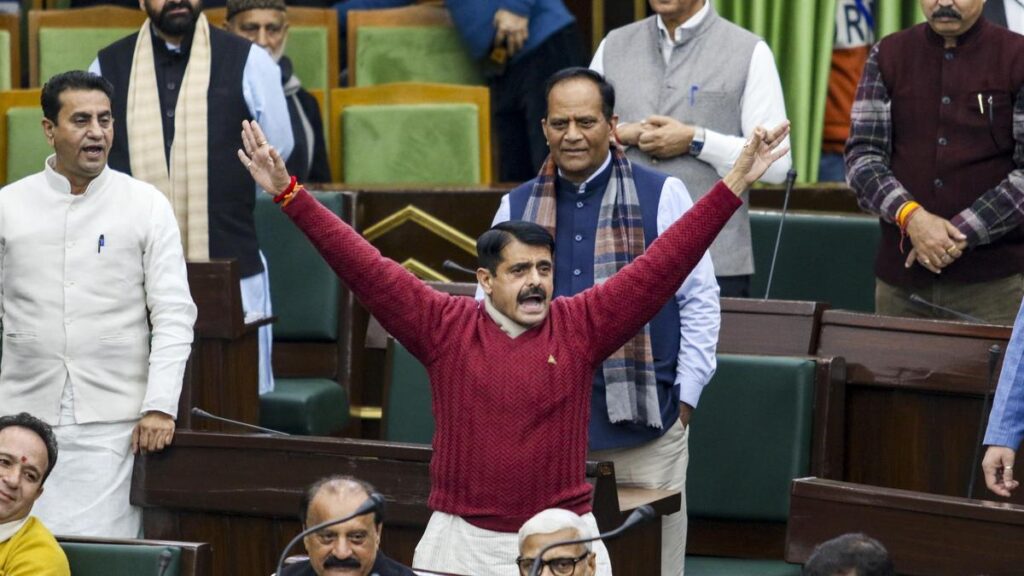
The problem is not that accusations are made; accountability is essential in democracy. The problem arises when allegations are used primarily as political weapons rather than as genuine attempts to uncover truth. When claims are made publicly without presenting credible evidence or pursuing institutional processes, political debate begins to resemble theatre rather than responsible democratic engagement. Equally troubling is the language used during election campaigns. Political leaders who hold positions of influence sometimes adopt aggressive rhetoric designed to provoke emotions rather than inspire thoughtful discussion. Statements that hint at hostility or violence toward political opponents occasionally surface during heated campaign moments. Even when such remarks are later clarified or defended as misinterpretations, they contribute to a political climate where confrontation replaces civility. Language in politics is not merely symbolic. Words spoken by influential leaders shape the tone of public discourse and influence how supporters behave. When political rhetoric becomes toxic, it gradually normalizes anger and division within society. Instead of encouraging democratic debate, it pushes citizens toward polarization.
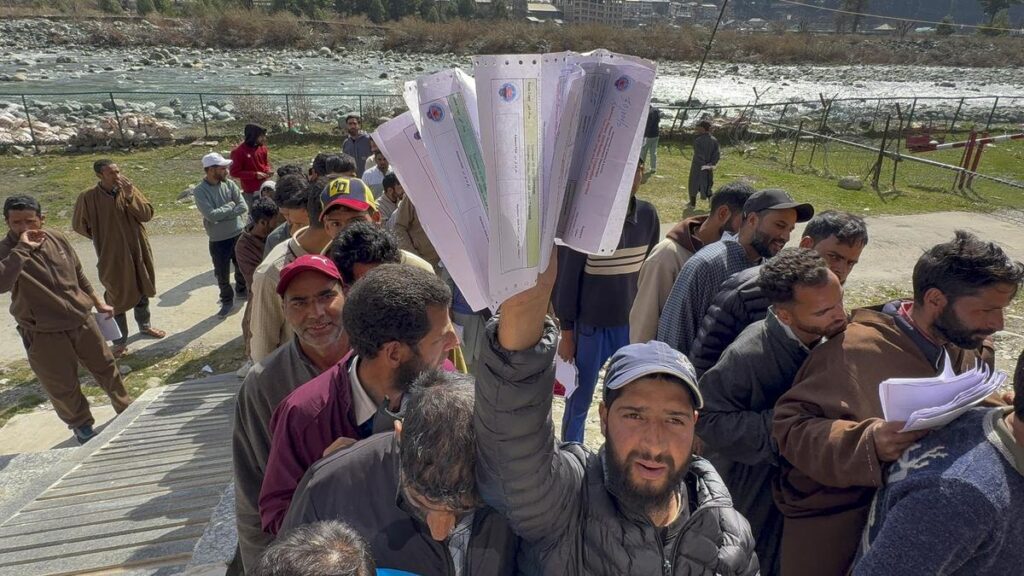
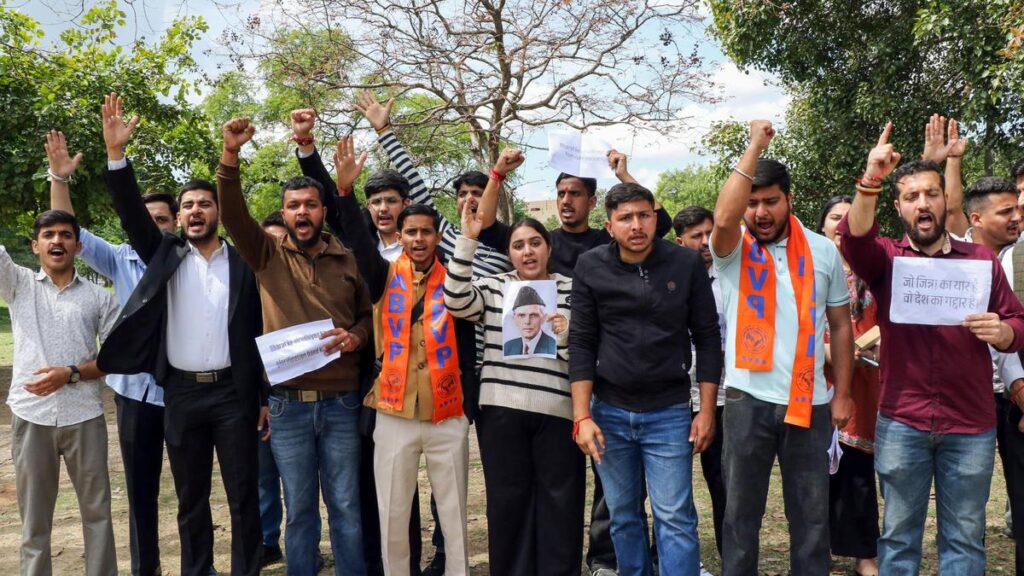
Another troubling aspect of election politics in India is the continued reliance on caste and religious identity as tools of political mobilization. In a country as socially complex as India, caste and community identities are deeply rooted realities. Historically, many political movements emerged precisely to give representation to communities that had long been marginalized. In that context, identity-based politics once played a role in expanding democratic participation however, the challenge arises when caste and religion become the primary basis of political strategy, overshadowing merit, governance ability, and policy competence. Instead of asking whether a candidate has the vision, integrity, or administrative skill to serve the public, election discussions often revolve around which caste group a candidate belongs to and how many votes that identity can mobilize. This phenomenon reflects both historical realities and political convenience. For political parties, appealing to caste and religious identities can sometimes be an easier path to securing votes than presenting detailed policy programs. Identity-based mobilization simplifies complex political competition into predictable social arithmetic. Leaders calculate electoral gains by assembling caste blocs rather than persuading citizens through governance achievements. But this strategy comes at a cost. When merit and performance take a secondary role in political selection, governance quality inevitably suffers. Capable leaders may be overlooked because they do not fit the electoral caste equation of a constituency. Meanwhile, candidates who lack administrative ability may still secure nominations if they represent the “right” identity group for electoral calculations. For voters, this creates a deeper dilemma. Elections are meant to empower citizens to choose leaders who can guide the nation forward. Yet when campaigns revolve around identity and accusations rather than policies and competence, voters are forced to navigate a political landscape filled with emotional appeals rather than rational choices. This environment gradually erodes trust in the political system. Citizens begin to question whether political leaders genuinely seek to solve national challenges or merely aim to win power through strategic divisions. When accusations are made without evidence, and identity politics overshadows merit, democracy risks becoming a competition of narratives rather than a mechanism for effective governance. India’s democracy has survived numerous challenges over the decades because of its strong institutions and resilient electorate. Courts, investigative agencies, and constitutional bodies exist precisely to examine allegations of wrongdoing. If political leaders truly believe corruption or misconduct has occurred, those institutions provide the appropriate mechanisms for investigation. Similarly, the strength of India’s democratic system ultimately depends on the expectations set by voters. Citizens who demand respectful political discourse, transparent evidence, and merit-based leadership can influence the behaviour of political parties. When voters reward responsible leadership rather than inflammatory rhetoric, political incentives gradually change. As the nation approaches another election cycle, the quality of political discourse will play a crucial role in shaping public confidence. Elections should be moments of national reflection opportunities to discuss policies, assess performance, and debate the country’s future direction voter must ask difficult questions of those seeking their mandate? Do they offer solution or merely accusation? They should not become arenas where accusations replace evidence and identity replaces merit. India’s democratic strength lies not only in its ability to conduct elections but also in the dignity with which those elections are contested. If the politics of poison continues to dominate election rhetoric, the damage will not merely be to individual reputations it will be to the credibility of democratic debate itself. The challenge therefore is clear. Political leaders must recognize that power won through division ultimately weakens the institutions they are meant to lead. And voters must decide whether they wish to endorse a politics driven by anger and identity, or demand leadership defined by responsibility, merit, and vision. The future of Indian democracy may well depend on that choice. The choice lies not only with political leaders but also with the voters who must decide what kind of politics they are willing to reward
The Writer is a social activist and columnist working at the grassroots level to bridge public concern with policy action.