English




















































































































































































































































































































































































































































































































The unseen devastation

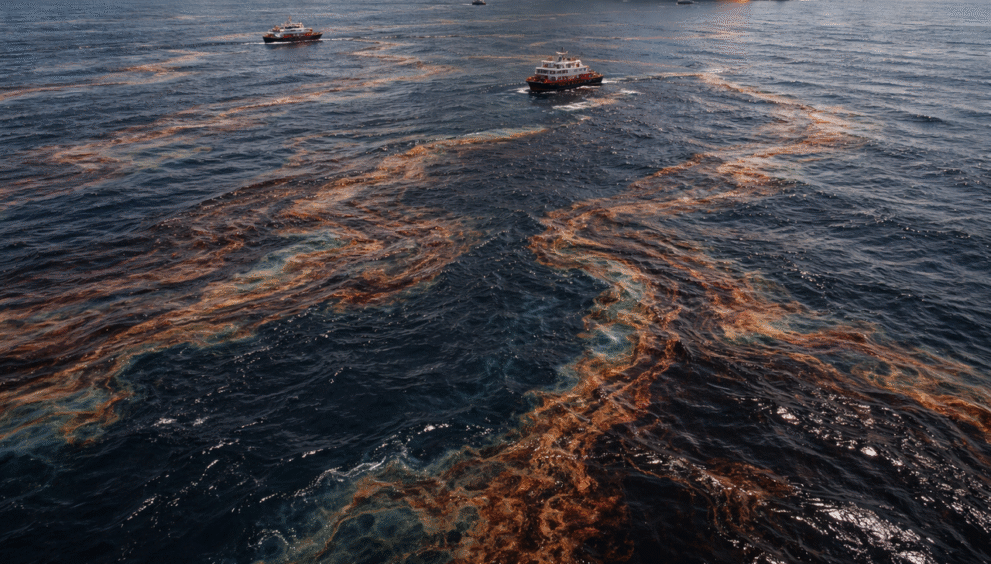

Human affliction, financial detriment, and geopolitical turbulence typically dominate assessments of war’s repercussions. Yet, the colossal environmental devastation wrought by conflicts constitutes a substantial, oft-overlooked corollary. Ecosystem degradation, climate change exacerbation, and conflict’s toxic legacy perpetuate harm to the natural world and its dependents
The ecological repercussions of war can be profoundly destructive and persistent, as exemplified by the deployment of Agent Orange in Vietnam and the nuclear devastation inflicted upon Japan. Military tactics frequently entail environmental degradation, including contamination of water sources, destruction of crops, deforestation, soil erosion, and decimation of fauna, all aimed at securing a strategic advantage. Resource scarcity fuels conflicts, with rivalries over water, arable land, timber, and precious minerals precipitating violence. Notably, resource-driven conflicts exhibit a pronounced recidivism, as evident in clashes between agriculturalists and pastoralists across the Sahel region.
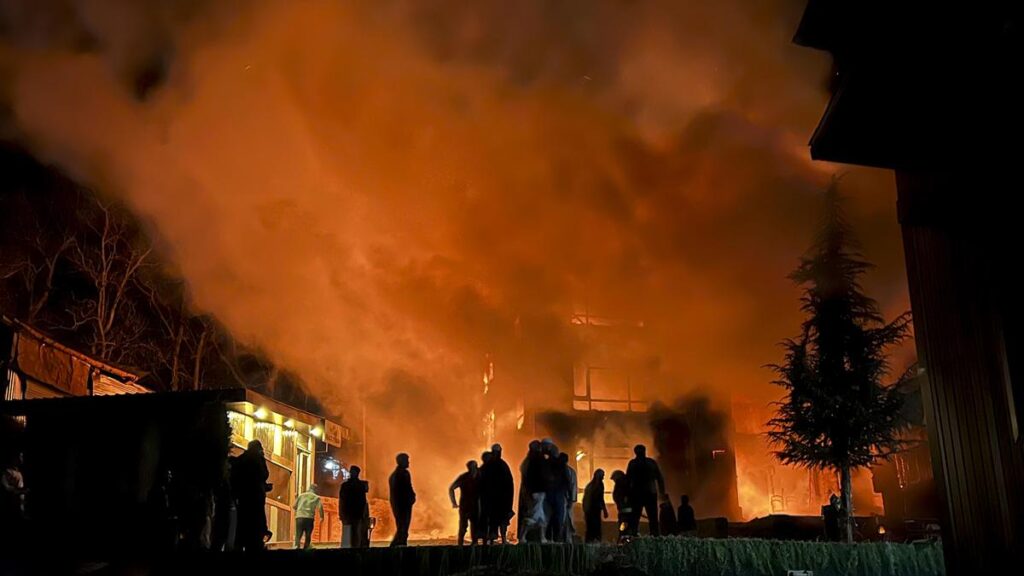
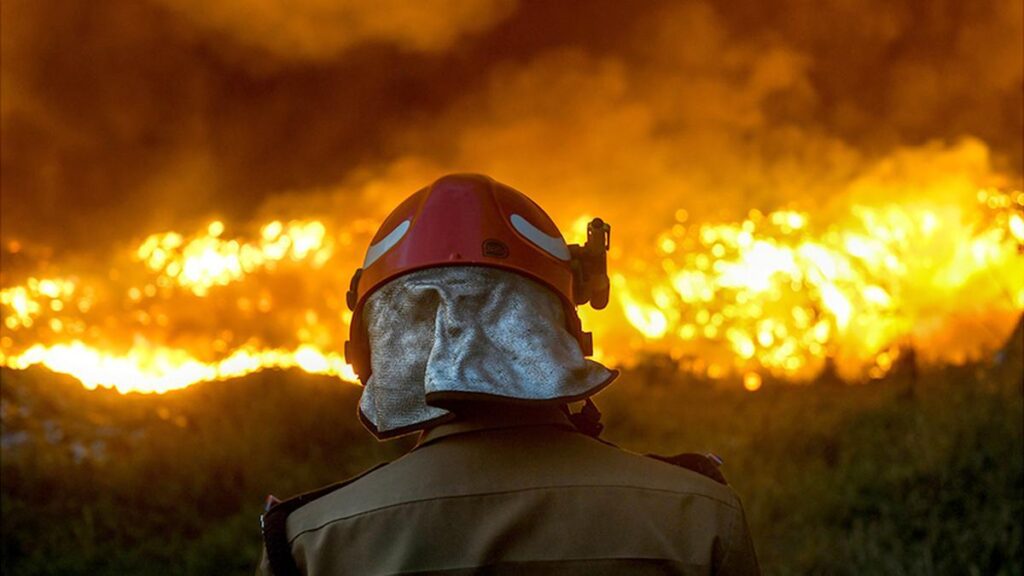
Environmental harm is proportionate to the devastation caused by large-scale conflicts. For instance, during the Gulf War, oil fields in Kuwait were set on fire, contaminating surrounding soil and water sources, and spewing millions of tonnes of smoke and soot into the atmosphere. Decades of fighting have also poisoned soils, polluted water supplies, and devastated vast tracts of forest in Afghanistan and Iraq. Besides contributing to global warming, the destruction of forests diminishes biodiversity and undermines nature’s ability to act as a carbon sink.
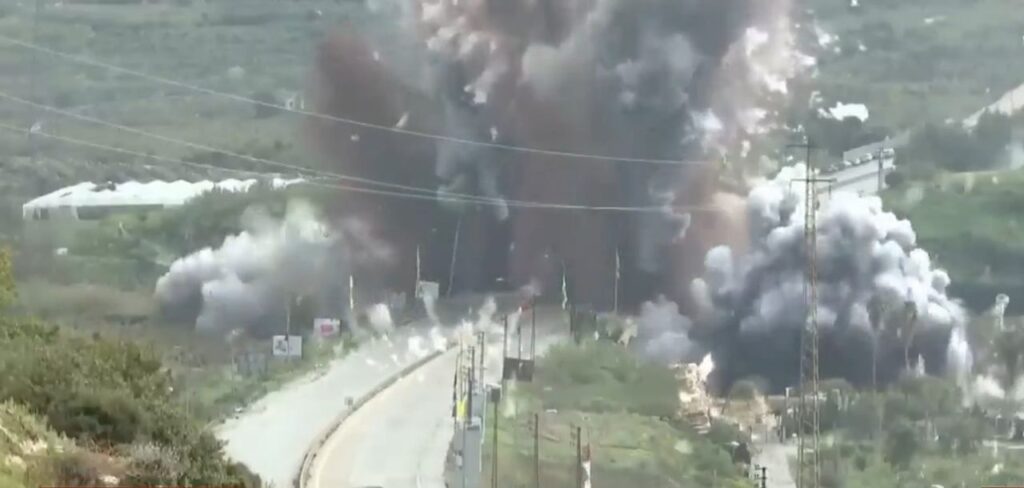
Frequent bombardment of cities, industrial areas, and oil infrastructure in Syria resulted in the production of toxic compounds; pipeline fires also released greenhouse gases visible from space. Satellite data shows fires surged during the war. According to experts, the early years of the Russia-Ukraine conflict emitted over 100 million tonnes of carbon dioxide, equivalent to the annual emissions of many European nations.
The dissemination of toxic substances, including heavy metals, white phosphorus, depleted uranium, and industrial chemicals, during combat poses enduring threats to both environmental integrity and human well-being. The clearance of debris from conflict zones, such as Gaza, can generate substantial quantities of greenhouse gases, thereby perpetuating ecological degradation for decades. In post-conflict settings, the presence of unexploded ordnance and landmines impedes agricultural activities, while contaminated water sources exacerbate the risk of oncological and chronic diseases among returning populations.
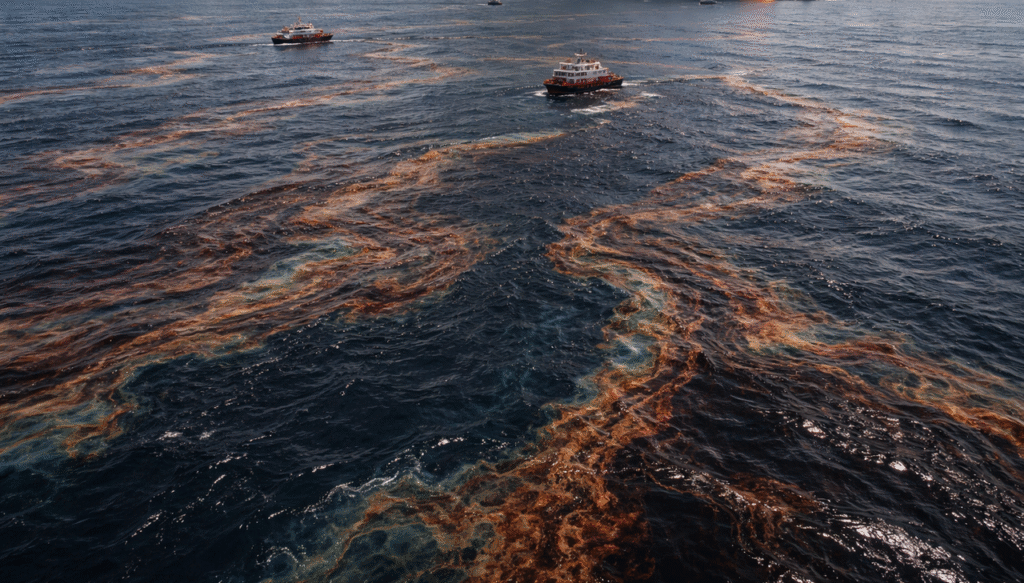
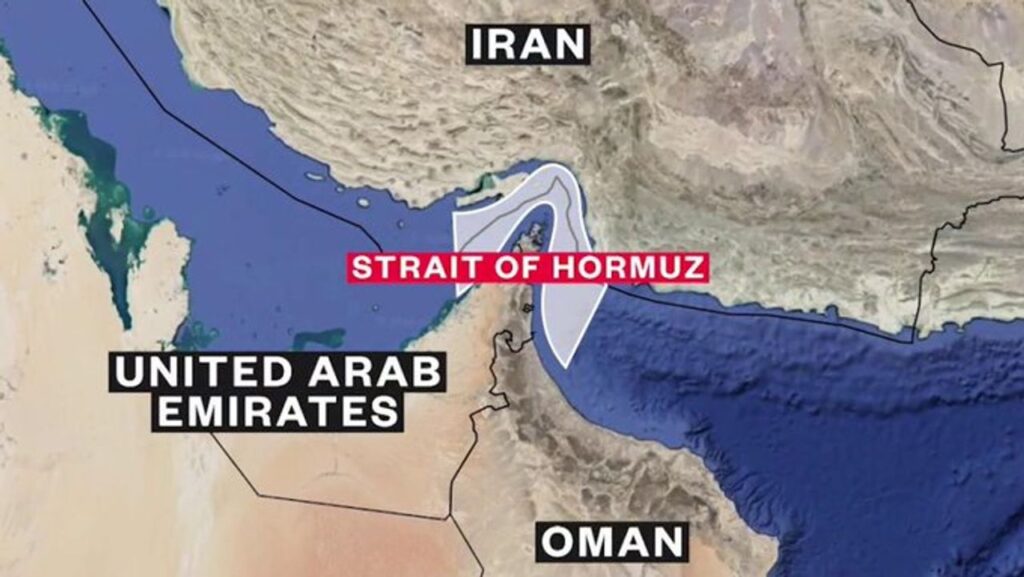
Significant pollution is also being produced as a result of the American and Israeli onslaught on Iran and Iran’s reaction throughout the Gulf region, causing long-term ecological harm in addition to immediate repercussions on human health.
Beyond the battlefield, militarism has significant negative environmental and ecological effects. Logistics networks, supply routes, and military installations have a substantial ecological impact. Due to their massive fuel consumption during peacetime to maintain combat preparedness, militaries worldwide are significant contributors to greenhouse gas emissions. According to the Conflict and Environment Observatory, military activity contributes 5.5% of global emissions, comparable to – and possibly even greater than – the combined environmental cost of shipping and aviation. It’s also important to note that this estimate of military emissions doesn’t include pollution and environmental damage from ongoing hostilities.
The environmental consequences of conflict can no longer be disregarded as countries develop defence and security strategies in a world where climate change poses an increasing threat. Sustainable development, biodiversity objectives, and climate targets cannot be achieved if the ecological costs of both major and minor conflicts continue to rise. In addition to taking the lives of soldiers and civilians, war also results in ecocide, severely impairing the planet’s capacity to support its growing global population.