English






































































































































































































































































































































































Private Universities Bill and Two Reports


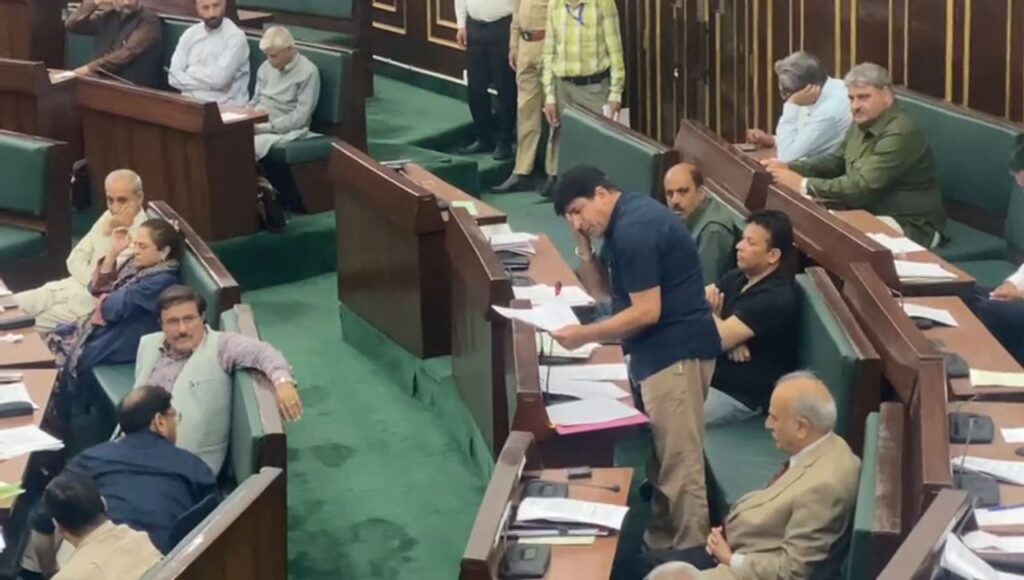
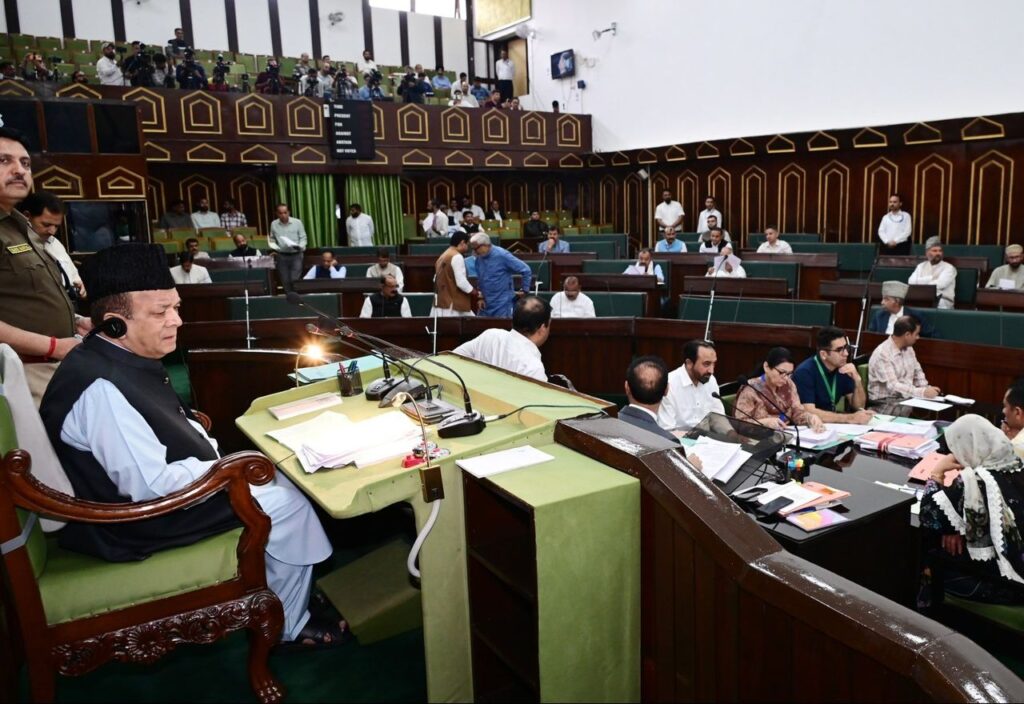
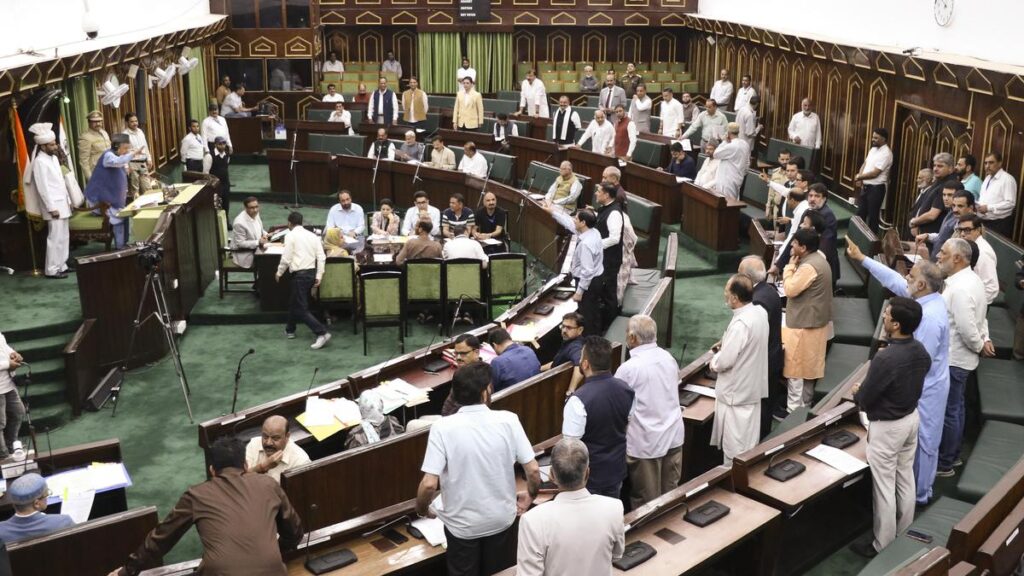
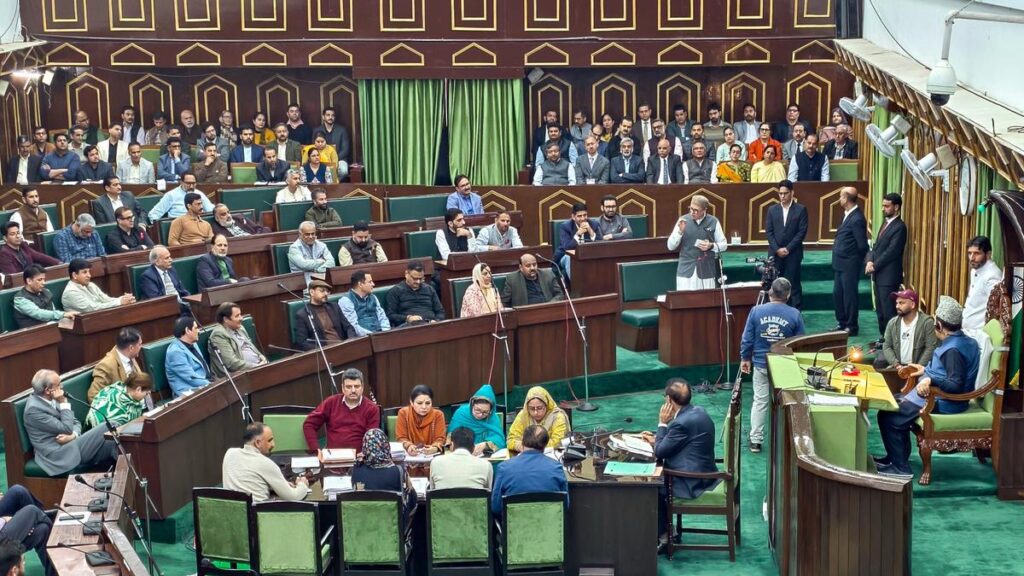
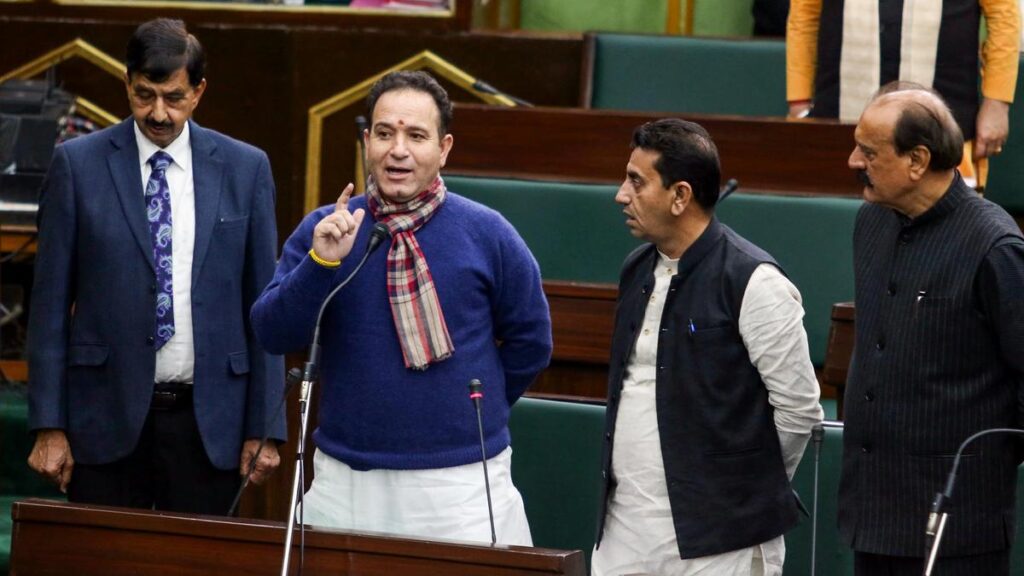
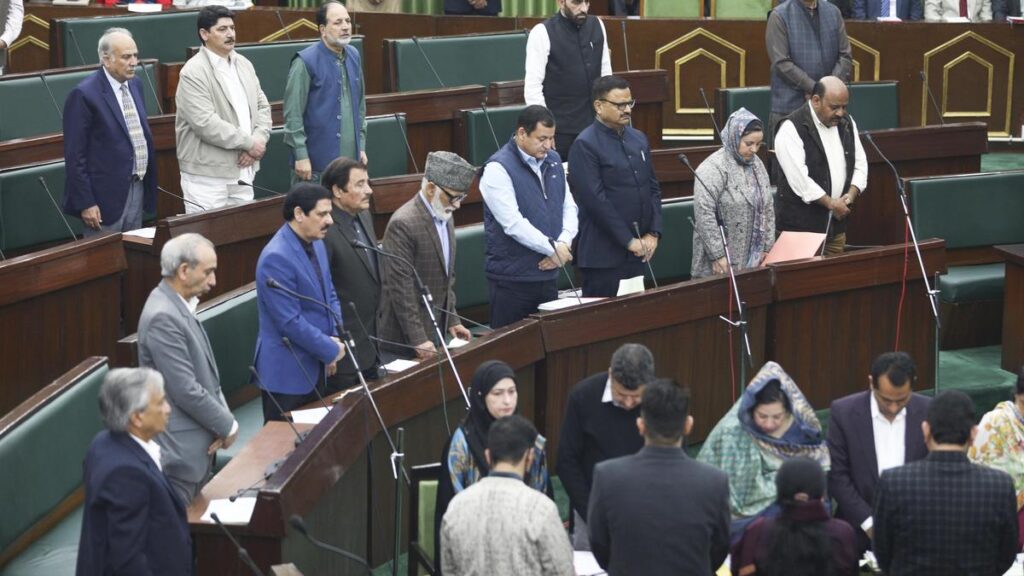
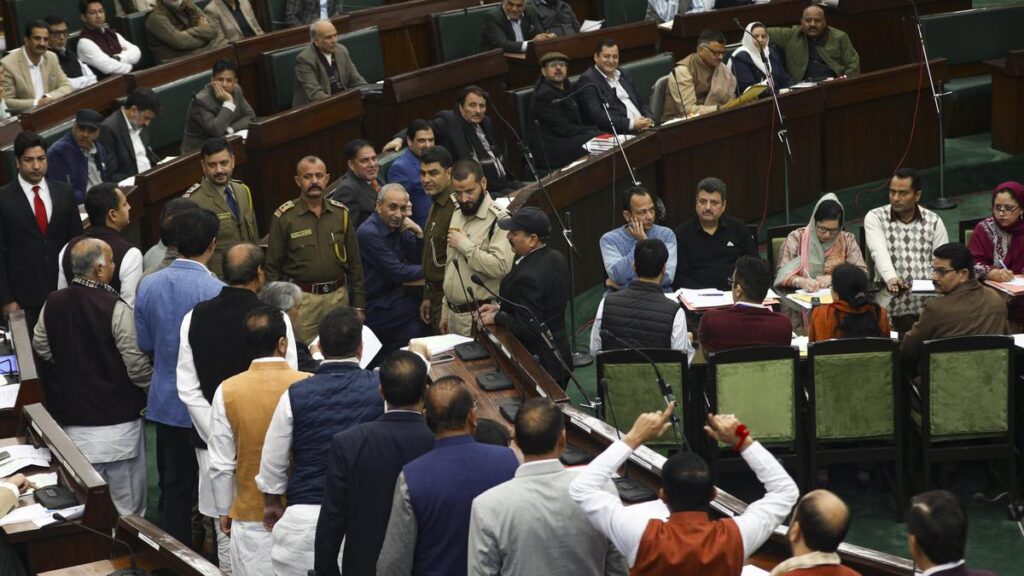
There is an old Chinese saying: “May you live in interesting times.” Surely, we do live in such times. The Jammu and Kashmir Assembly has passed the Private Universities Bill (L.A. Bill No. 08 of 2026) with the stated aim of reducing student migration and strengthening the local education ecosystem. Coincidentally, this is also a time when two important reports—the Azim Premji University Study (2026) and Careers 360 Study (2026)—have entered the public domain, both directly relevant to the higher education system in India.
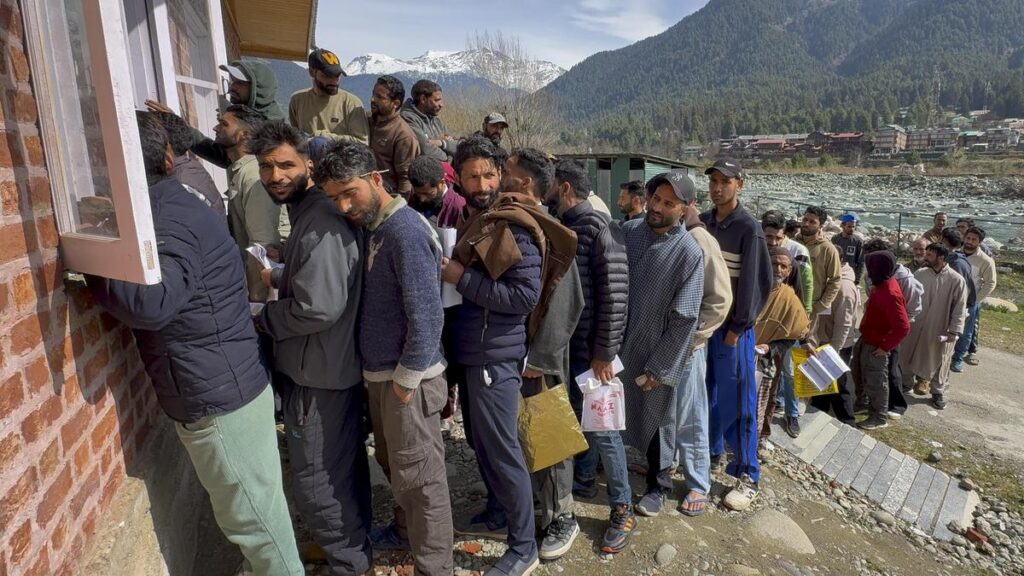
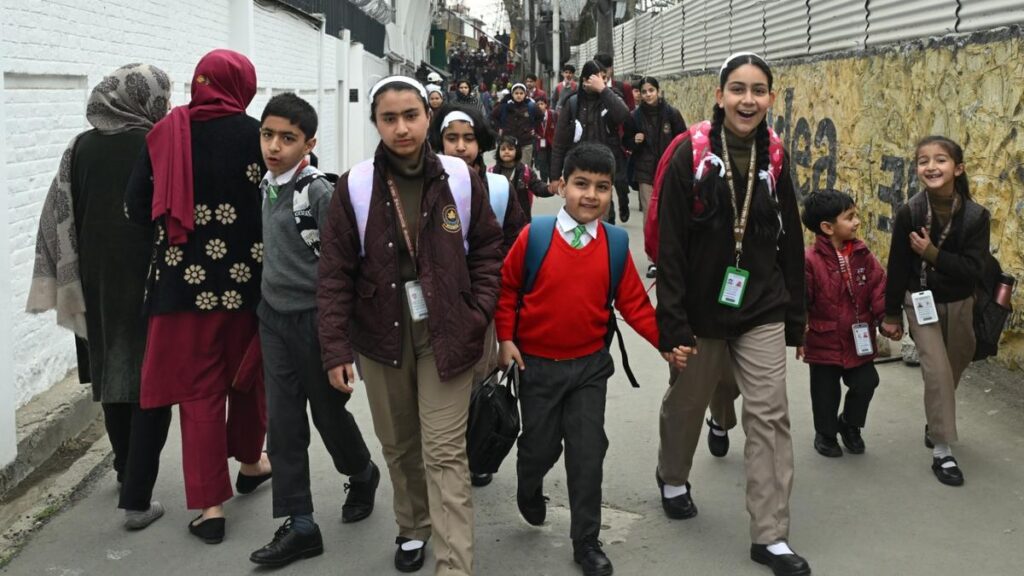
This write-up is a modest attempt to understand the need for private universities at a time when the number of all kinds of public universities has increased at tremendous cost to the taxpayer and many such universities have academic programmes with no takers. Furthermore, private universities are making their entry at a time when students from lower socio-economic backgrounds are increasingly disengaging from higher education.
Context of the Bill
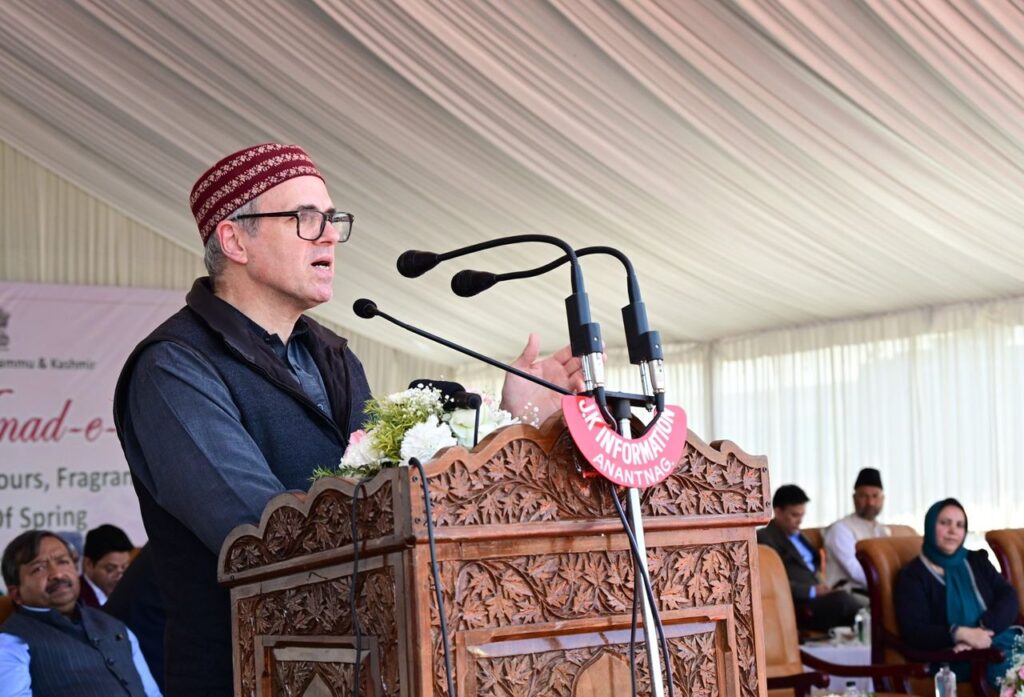
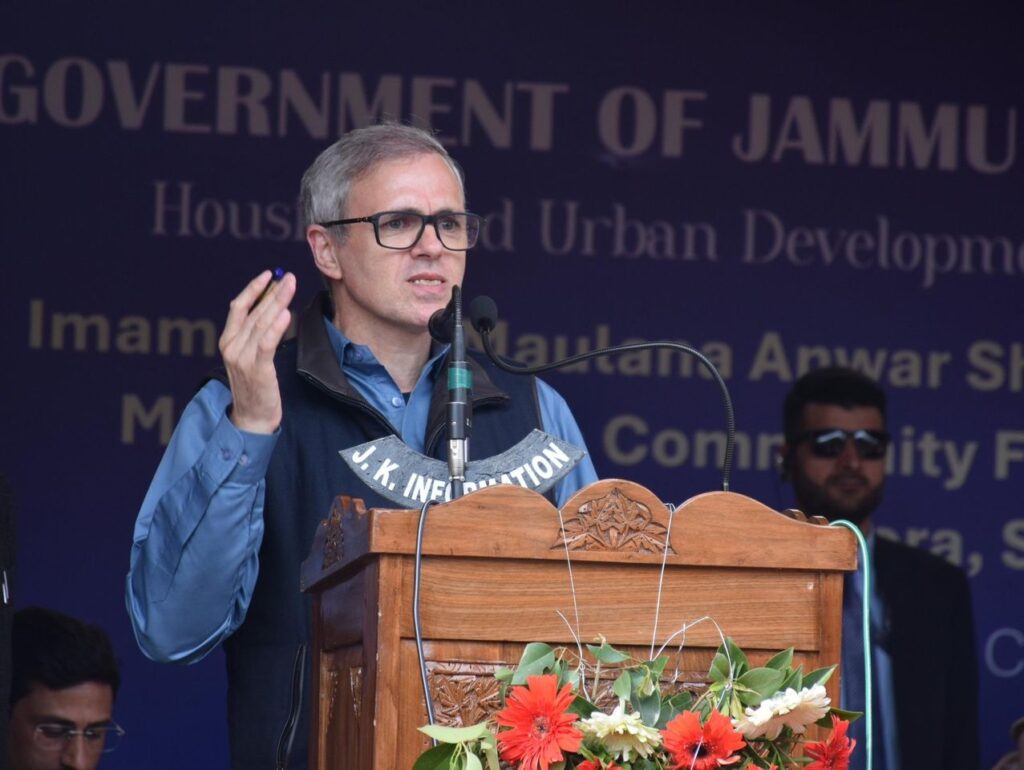
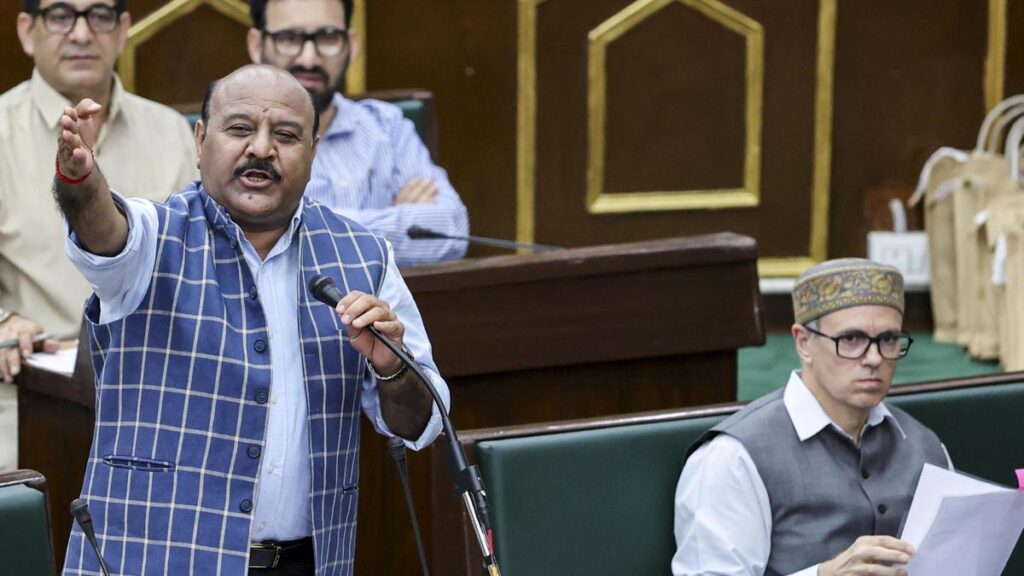
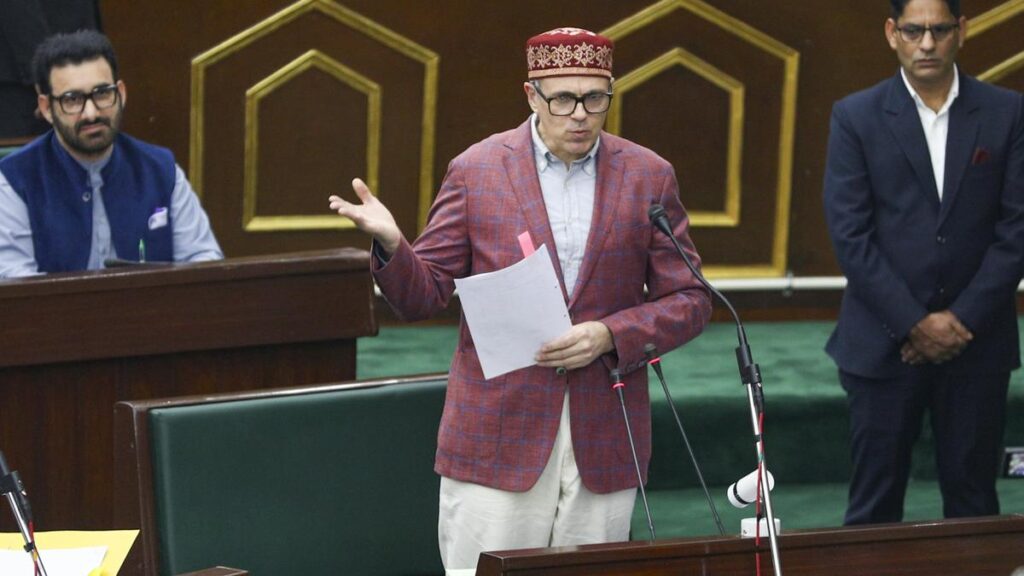
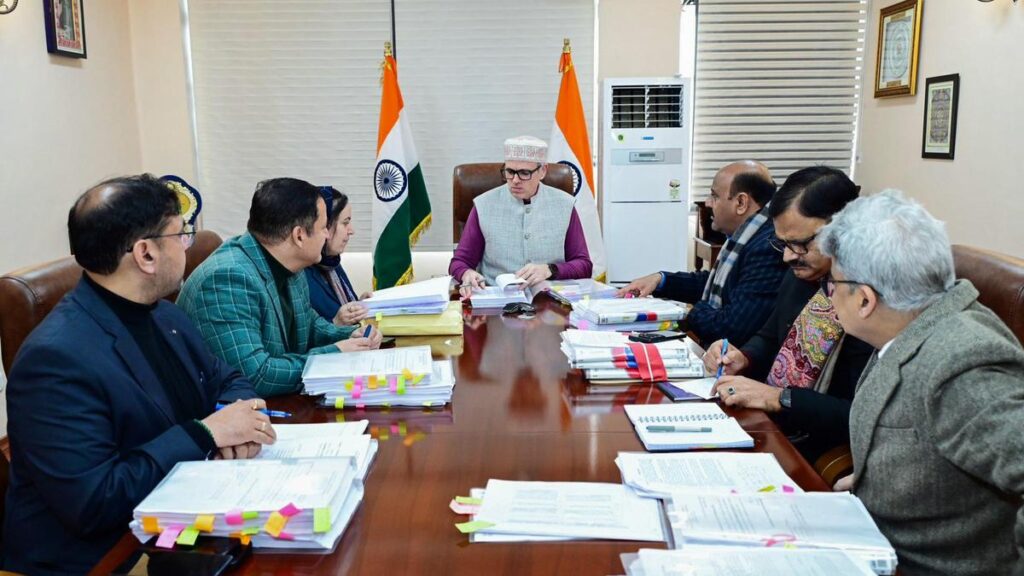
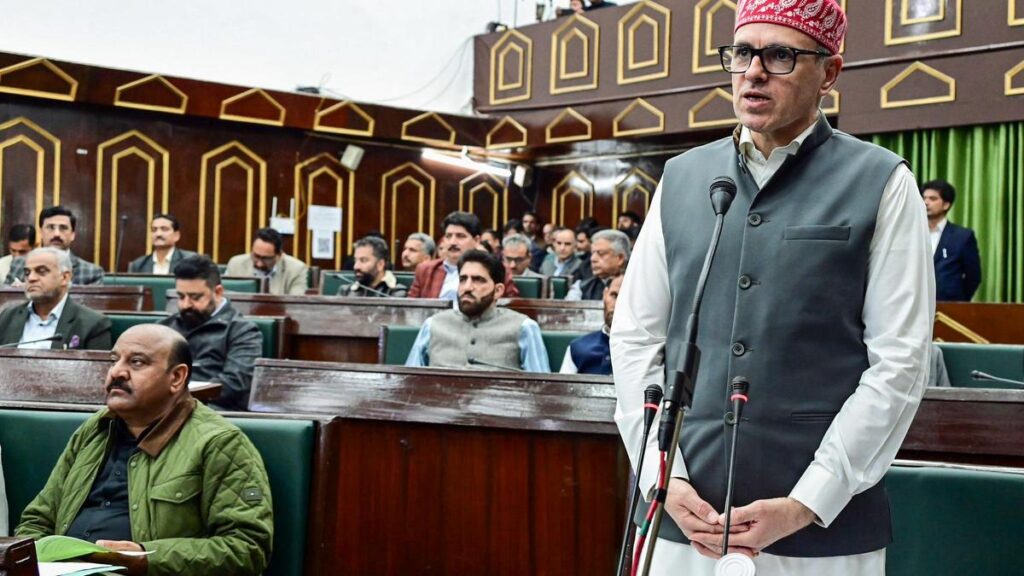
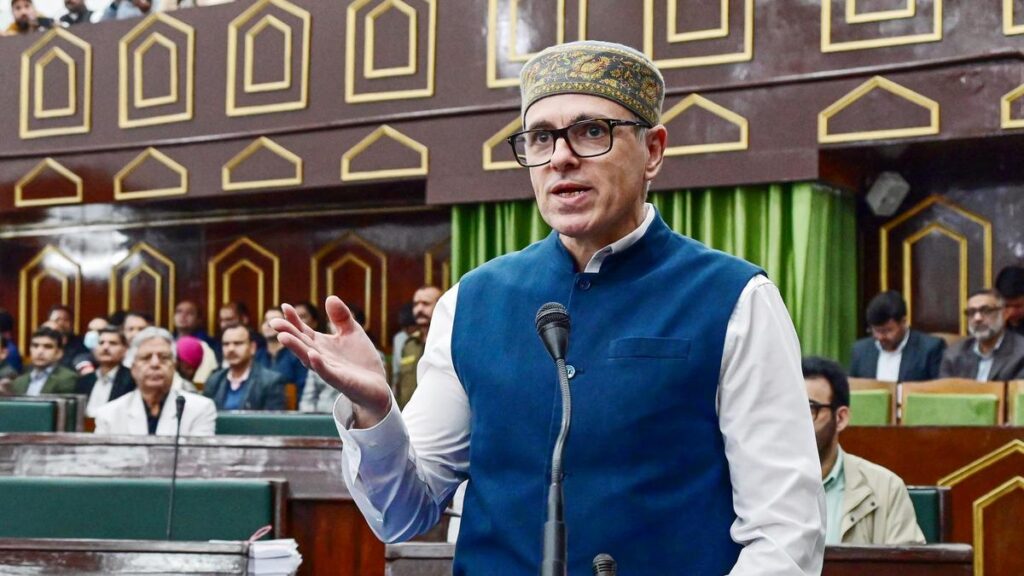
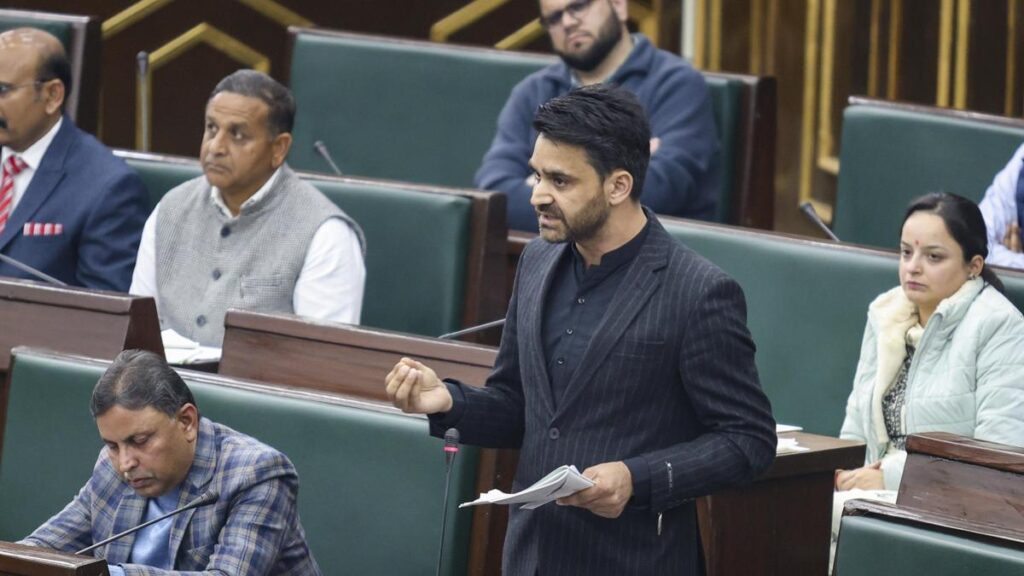
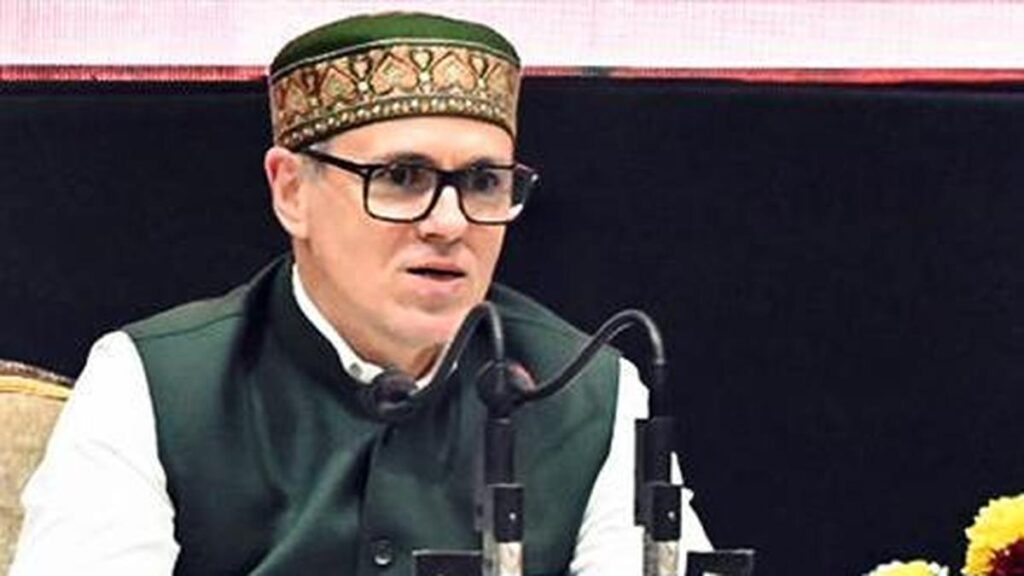
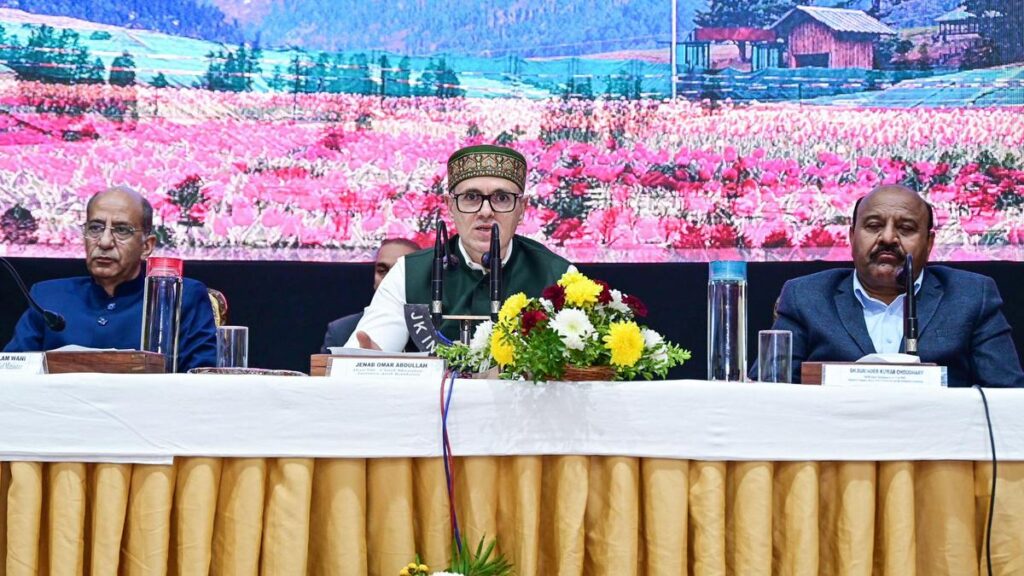
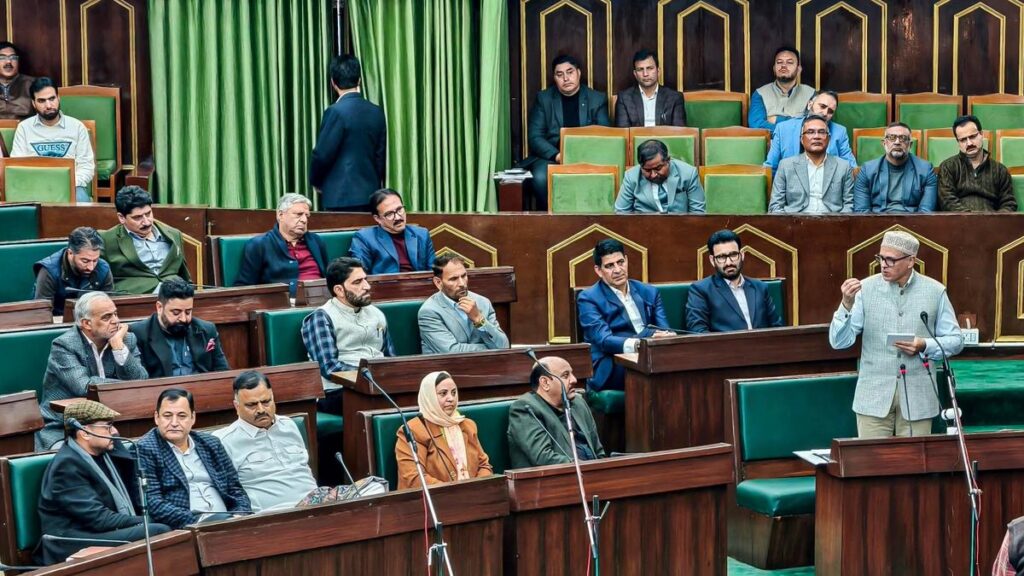
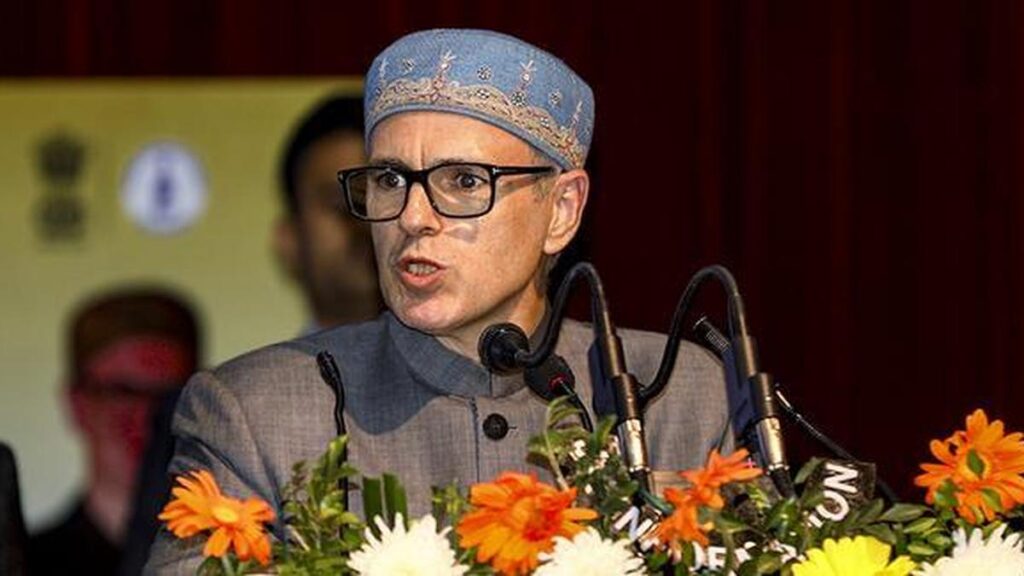
The Bill states: “A Bill to provide for the establishment and incorporation of private universities in the Union Territory of Jammu and Kashmir, and to regulate their funding, management, and academic standards, ensuring quality education and protecting the interests of students. “The education minister, Mrs. Sakina Yatoo, assured the House that the government had taken into consideration all relevant issues and concerns related to higher education before formulating the Bill. The Chief Minister, Mr. Omar Abdullah, described it as a “milestone” that would position Jammu and Kashmir as an emerging hub of higher education and academic excellence.
So far, so good. However, it is necessary to pause and reflect on public concerns and expectations regarding the government’s policy of encouraging private players in higher education. Before doing so, it is important to examine two widely discussed reports that highlight key issues in the domains of higher education and employment.
The State of Working India 2026 Report
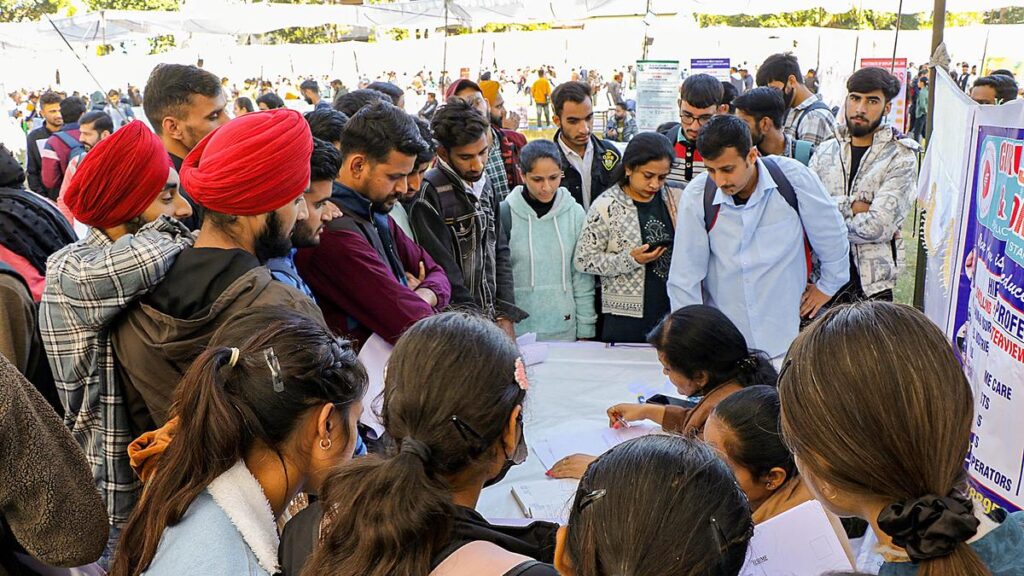
The Azim Premji University Report (2026) highlights a widening gap between education and job creation. India’s youth population (aged 15–29) stands at 36.7 crore. The unemployment rate is approximately 40% for the 15–25 age group and 20% for those aged 25–29. Only 7% of young graduates secure salaried employment, while 67% of unemployed youth are graduates. Graduate unemployment rates have remained largely unchanged—between 35% and 40%—since 1983. The share of young men in education declined from 38% in 2017 to 34% in late 2024, with 72% withdrawing due to the need to support their households. The report further argues that liberalisation has given a significant boost to private institutions, leading to an expansion of higher education, often at the cost of institutional quality
Study by Careers 360
The Careers 360 Study (2026) reveals that 74% of top Joint Entrance Examination (JEE) students from 1990 to 2021 have settled abroad, primarily in the United States. This phenomenon—sometimes described as the “secession of the successful”—has intensified, rising from 66.7% (1990–2010) to 90% (2011–2021), indicating a major loss of top talent for India. According to the study, the United States remains the primary destination, with 17 out of 31 toppers settling there. Overall, 23 out of 31 JEE toppers surveyed over three decades moved abroad for work or higher studies, and 28 of them are employed by non-Indian companies. The study expresses serious concern over the outmigration of skilled Indians.
Similarly, a 2025 report by NITI Aayog noted that outbound students outnumber inbound students by 25 times—an alarming imbalance that reflects India’s limited attractiveness as a global academic destination. This metric is widely considered an important indicator of the strength of a country’s higher education system.
Emergence of the Private
Over the past three decades, India has witnessed a rapid rise in private universities. State governments have encouraged this growth to enhance educational quality and increase enrolment. Private capital and regional businesses have welcomed this trend, and affluent as well as upper middle-class sections have shown strong support. Public opinion has gradually shifted toward the belief that private institutions are superior to public ones. As a result, between 2006 and 2018, the number of state private universities increased from 19 to 290, with 223 established after 2009. There is no reason to suspect the private institutions but it is significant to understand complexity of issues involved in this matter. Much of this suspicion lies with people of my generation and orientation who got the best of public education with minimum cost to our families. Be that as it may the world’s top ranked universities in USA viz Harvard, Stanford and MIT are private. Our policy discourse treats “for profit” as synonymous with exploitation. This is intellectually lazy and unacceptable. It is due to rise of the private that pressure has developed on public universities to offer programmes oriented towards employment market and be entrepreneurial and competitive and also to demonstrate more efficiency in governance.
Key Concerns and Considerations
In light of the above discussion, the Jammu and Kashmir government and other stakeholders must encourage broader deliberation on this Bill. It should become a subject of debate in colleges, universities, and academic forums to ensure that best practices are followed in the establishment of private institutions. As an academic and a member of civil society, I would urge the government to consider the following:
First, the establishment of private universities should not be seen as a vote of no confidence in public universities, which have indeed experienced deterioration over time. Rather, private players are expected to democratise higher education by making it more competitive and inclusive. The National Knowledge Commission (2008) advocated for private investment in higher education, arguing that it would diversify institutional focus beyond engineering, medicine, and management to other disciplines, thereby expanding enrolment nationally. However, it is noteworthy that postgraduate enrolment has declined in private universities, while remaining relatively stable in public institutions.
Second, an important concern relates to social justice. Do private universities cater only to those who can afford high fees? There is a growing fear that private universities may become “gated communities” for the privileged, while public universities risk degenerating into under-resourced spaces with declining academic quality.
Third, there is the question of academic diversity. Will private universities invest in disciplines such as social sciences and humanities, which are often less financially lucrative compared to professional fields like medicine, commerce, and management? Institutions such as Ashoka University and O.P. Jindal Global University in the NCR region have, however, made notable contributions in liberal arts and humanities education.
Fourth, concerns have been raised about governance. Some private universities are established by individuals or families with profit motives, and their governing boards may lack credibility or competence. At the same time, there are positive examples where philanthropic and corporate entities have established institutions with strong governance structures and respected leadership. The Vice Chancellor of Global Jindal university C. Raj Kumar earned global education at universities of: Hong Kong, Harvard, Oxford and Delhi and same is reflected in his style of functioning. True leadership comes from ideas, frameworks and theories to be employed by community of scholars. You cannot run a university with slogans and posters.
Fifth, J&K government should also think of a ‘Skill city’ to be established preferably in down town Srinagar historically known for different crafts. It is akin to “New University Townships” recently preposed by Union finance minister in budget 2026-2027 where a private university, research, skills and industry sit side by side producing a smoother pipeline from education to employment. Twenty first century university can be situated in busy/noisy city centres.
By way of conclusion, one can only expect that this extraordinary step of the J&K government goes in right direction. The university whether public or private is not land, sand or band but an idea, vision and mission. The key lies in quality faculty who make a difference to the culture and governance of any university. I have no idea of the progress of the scheme aimed at repatriating ‘star-faculty’ of Indian origin from overseas. The Vice Chancellor of Ashoka University Somak Raychaudhuri stated recently that at Ashoka we have seen transformative power of overseas faculty. We got international perspective on pedagogy, governance and other best practices. Legend has it that when Napolean rested in his Bivouac during his imperial campaigns, he would tell his aide: Don’t distract me to give me good news, it can wait. But when there are bad tidings rush to me and wake me up. There is no time to lose”
The author is Kashmir based Political Scientist