English


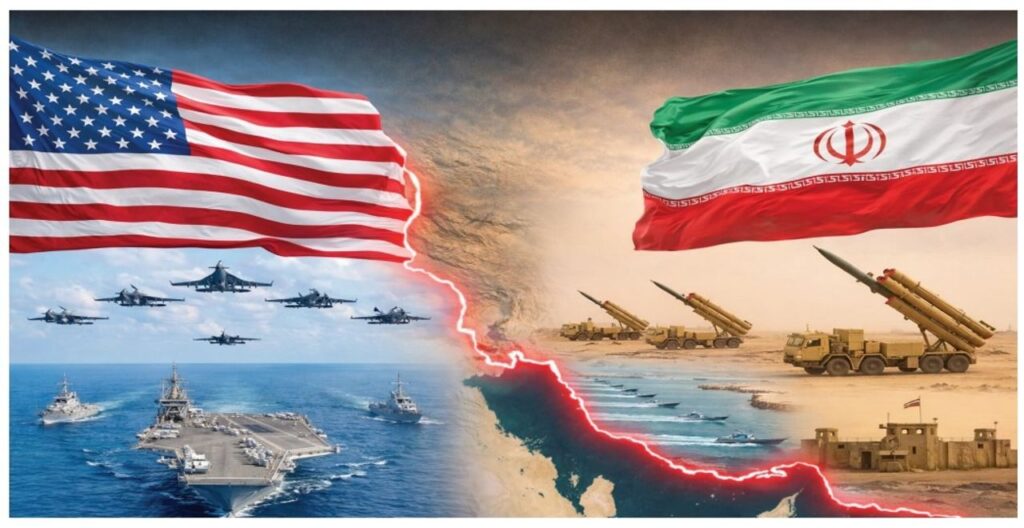

















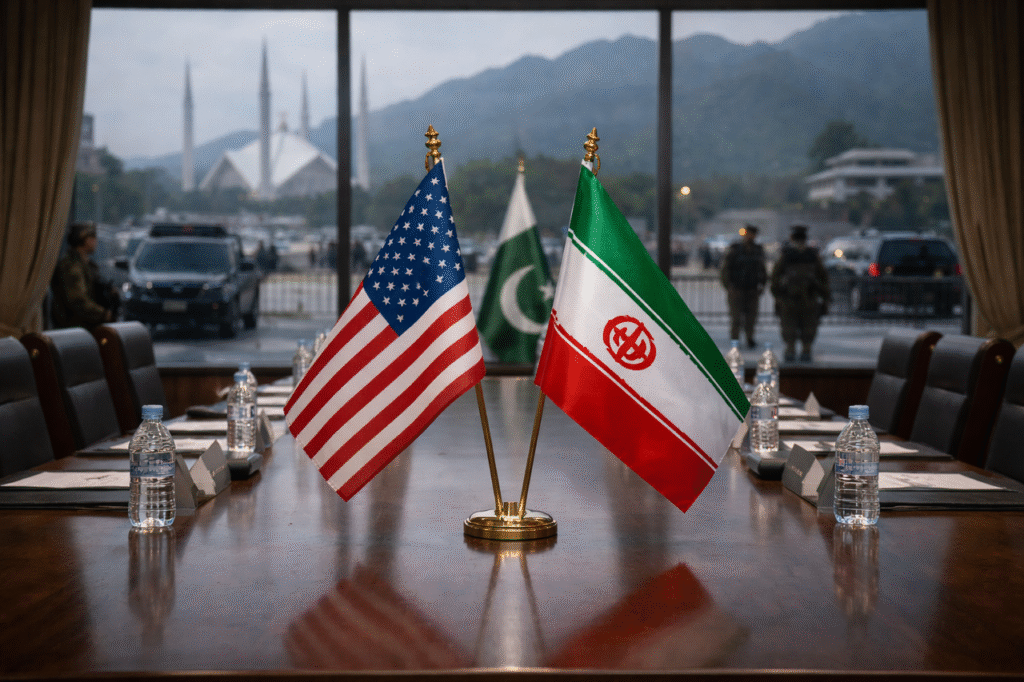






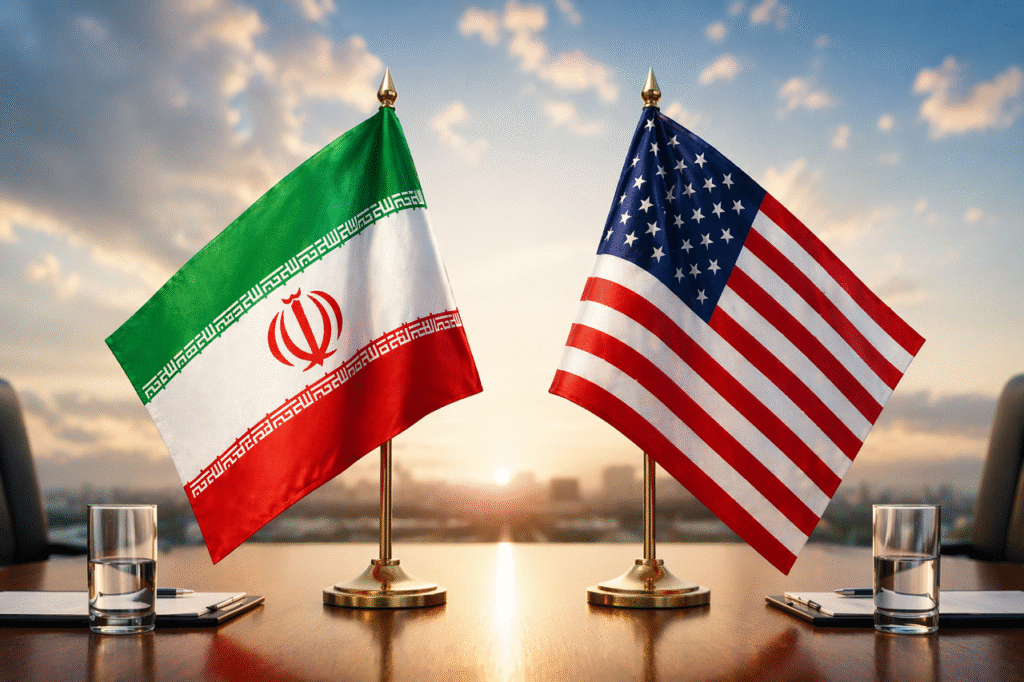

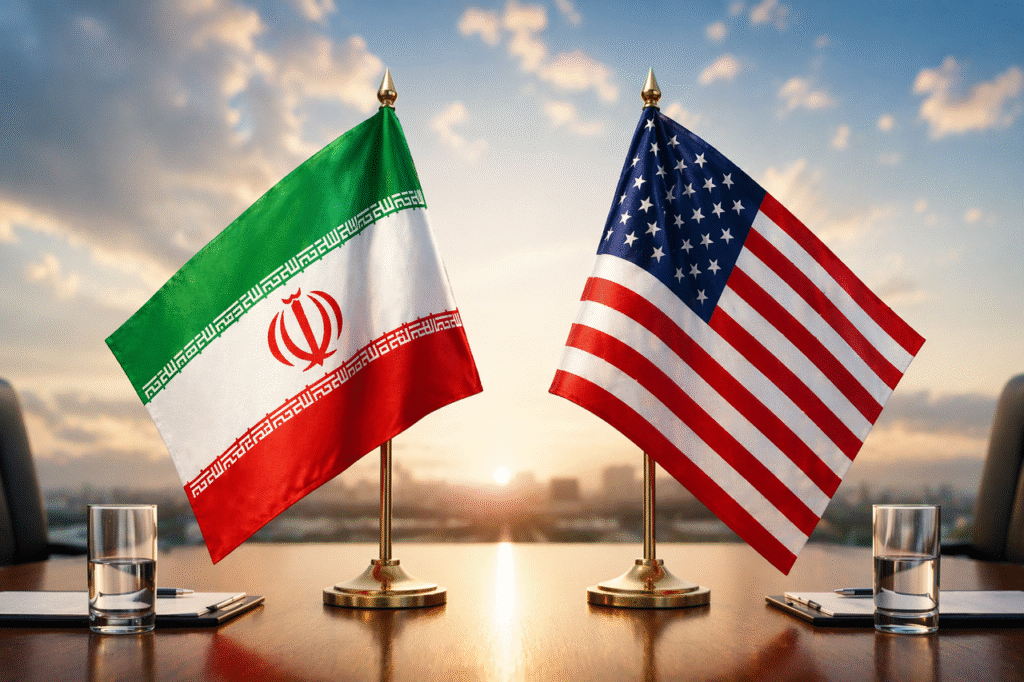






























































































































































































































Iran threatens to disrupt Gulf trade in response to US naval blockade

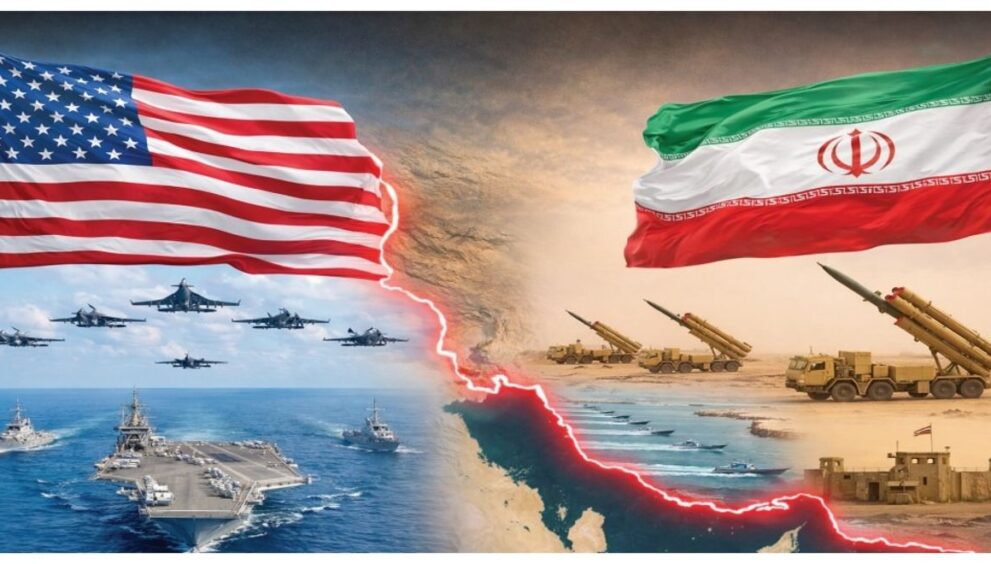

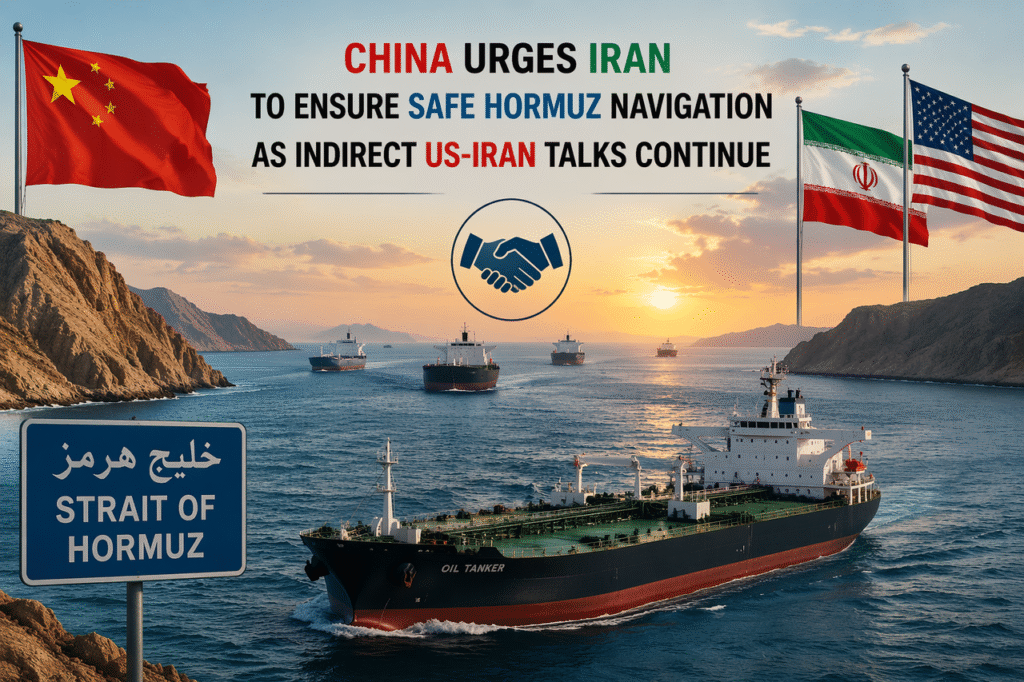
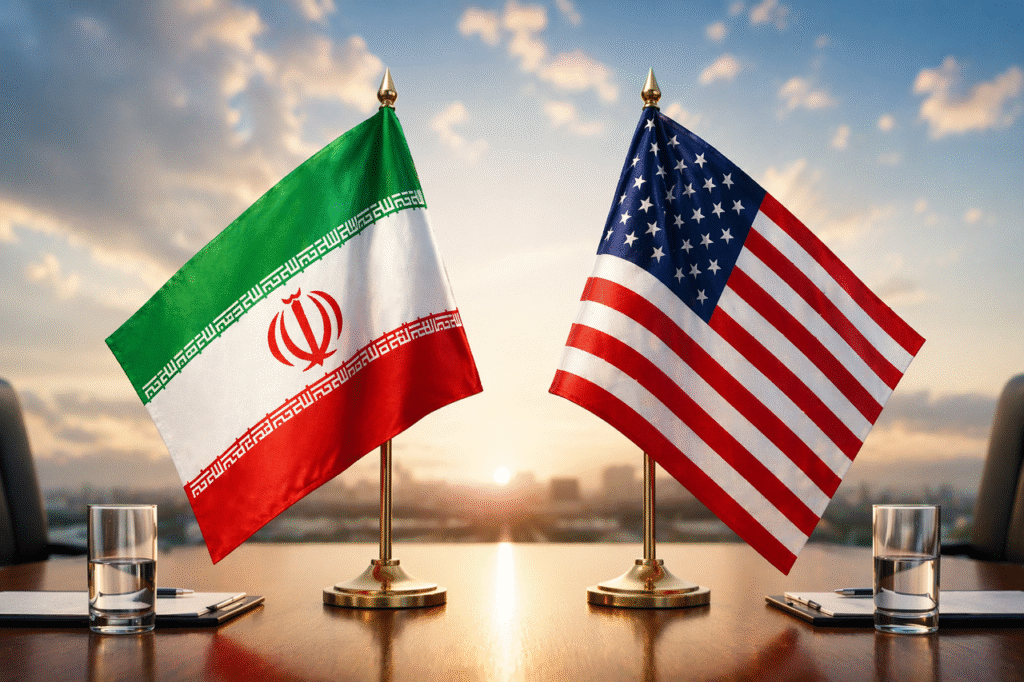
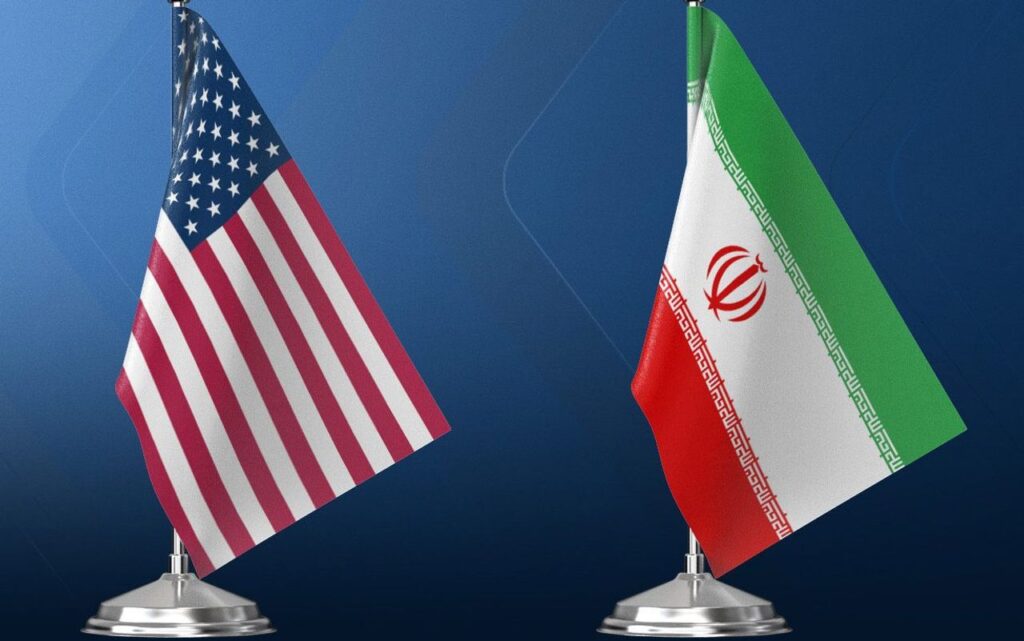
Dubai, Apr 16: The commander of Iran’s joint military command on Wednesday threatened to halt trade in the Gulf region if the US does not lift its blockade on Iranian ports.
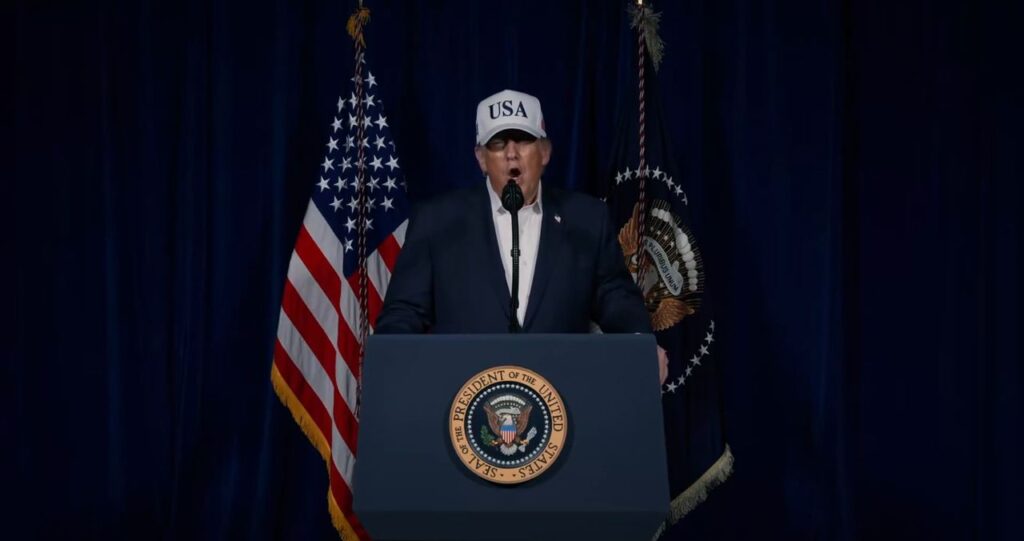
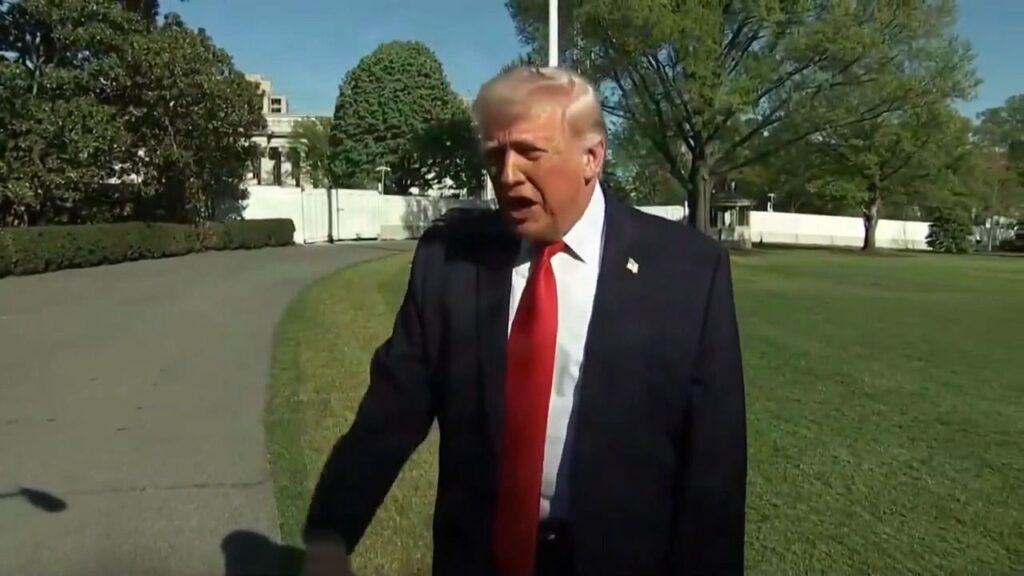
No vessels have made it past US naval forces during the first 48 hours of the blockade, according to the US Central Command. Even so, US President Donald Trump said the war in Iran was “very close to over” in an interview that aired Wednesday.
Trump also claimed that China has agreed not to provide weapons to Iran as reports circulate that Beijing has considered transferring arms. China’s Foreign Ministry has repeatedly denied in recent days that the country is providing any form of military support to Iran.
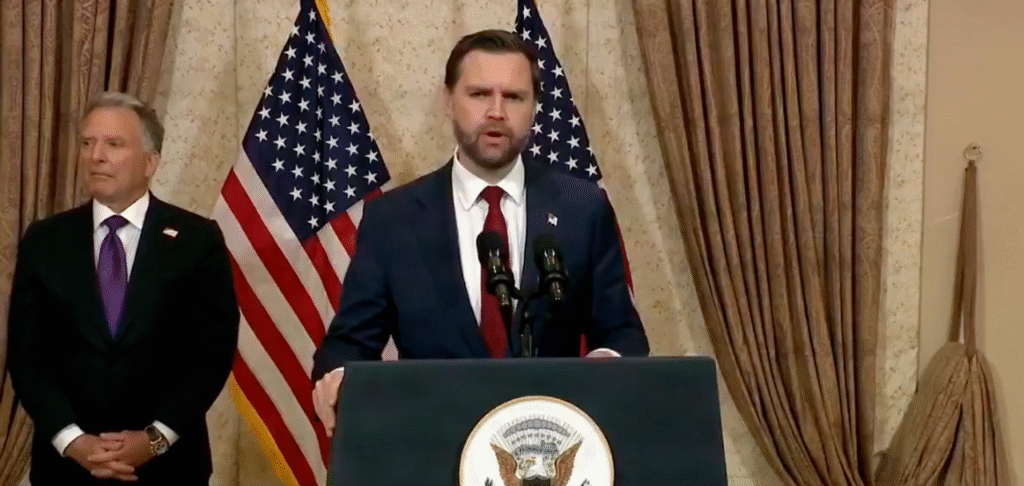
Separately, Treasury Secretary Scott Bessent warned on Wednesday that the US is preparing to ramp up economic pain on Iran by levying secondary sanctions on financial institutions that do business with the Middle Eastern nation. Bessent called the measure the “financial equivalent” of the bombing campaign.
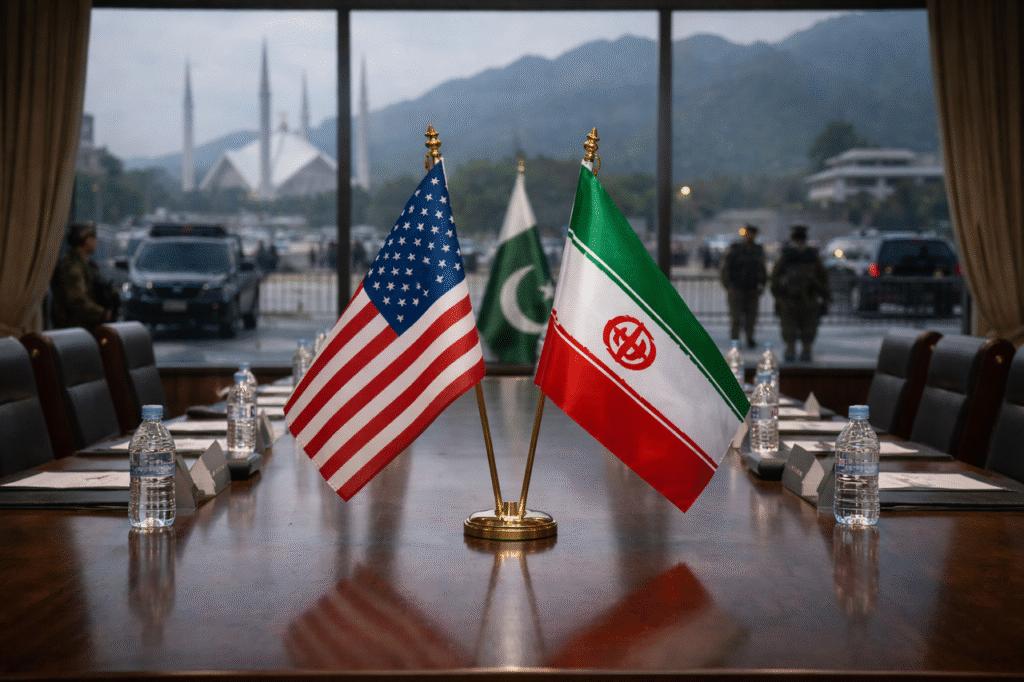
Meanwhile, mediators’ efforts to extend a ceasefire between the United States and Iran have made progress as the warring sides are expected to return soon to the table for another round of negotiations, regional officials said.
However, a senior US official said Wednesday the US has not formally agreed to extend the ceasefire and that “engagement” with Iran continues. The latest diplomatic move came hours later, when a Pakistani delegation arrived for talks in Tehran.
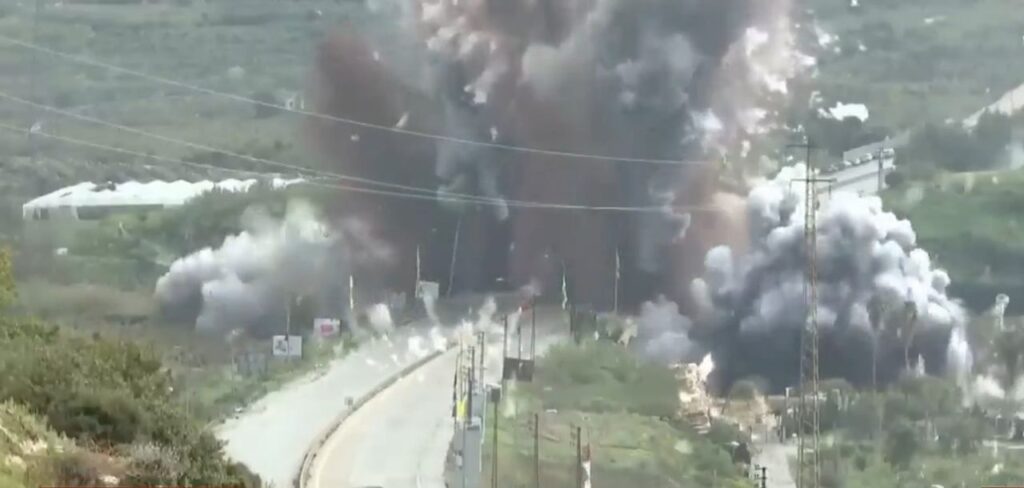
Israel, meanwhile, is pressing ahead with its aerial and ground war in Lebanon, where the death toll has climbed to more than 2,100 people.
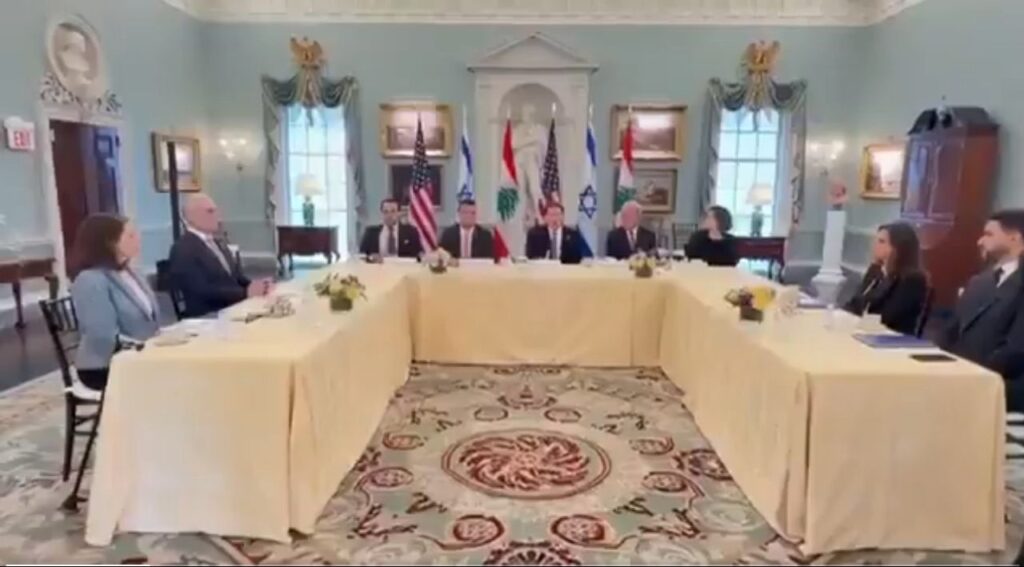
The country’s National News Agency reported airstrikes and artillery shelling throughout southern Lebanon on Wednesday, where Israeli forces have encircled fighters with the Lebanese militant group Hezbollah. A day earlier, the two nations held their first direct talks in decades.
Here is the latest:
Treasury sanctions Ali Shamkhani-linked network
The US is imposing sanctions targeting an Iranian oil smuggling network tied to the deceased senior Iranian security official Ali Shamkhani.
Sanctions include dozens of individuals and companies accused of transporting and selling Iranian and Russian oil through front companies, many of which are in the UAE.
Treasury Secretary Scott Bessent said in a statement, that banks “should be on notice that Treasury will leverage all tools and authorities, including secondary sanctions, against those that continue to support Tehran’s terrorist activities.”
UN welcomes Lebanon-Israel meeting
The first Israel-Lebanon meeting in decades is key to moving Israel and Lebanon “towards breaking the recurrent rounds of violence that have caused considerable suffering for too long,” UN deputy spokesman Farhan Haq said Wednesday.
“Maintaining dialogue will be essential in resolving outstanding issues and achieving progress towards stability,” he said, adding that the UN is ready to support these efforts.
Despite the talks, Haq said the UN peacekeeping mission in southern Lebanon known as UNIFIL continues to report ongoing hostilities in the Israel-Hezbollah conflict, with projectiles fired toward Israel and its forces in the south, and Israeli forces continuing airstrikes, armored vehicle movements and other activities.
Across southern and eastern Lebanon, dozens of locations are being hit daily by Israeli strikes, he said. At leader 35 villages in the south were reportedly struck Tuesday causing extensive damage to residential areas.
As a result of the ongoing hostilities, Haq said more than 1.2 million Lebanese people have now been displaced.
Naval expert: Evasion efforts unlikely to affect blockade enforcement
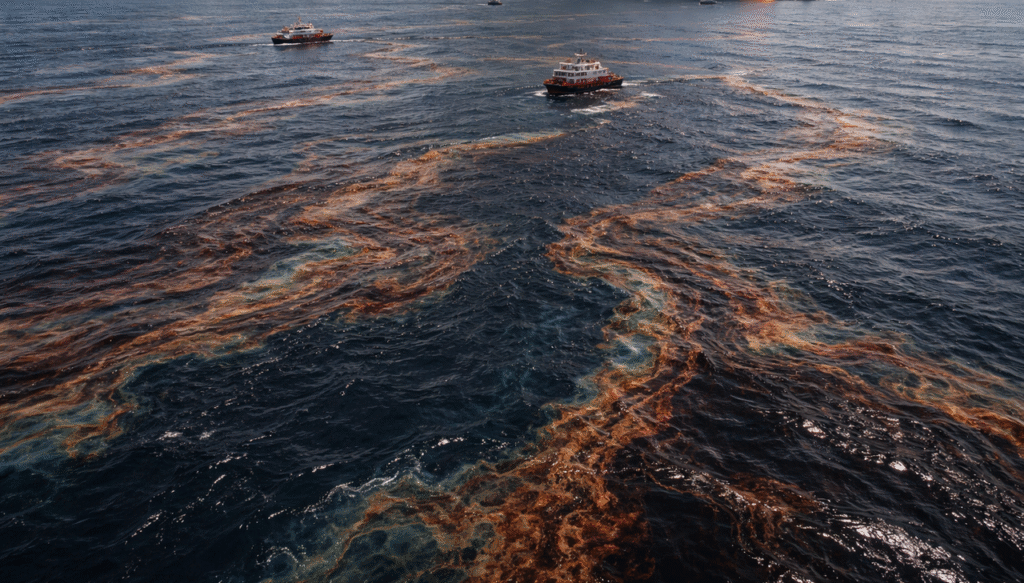
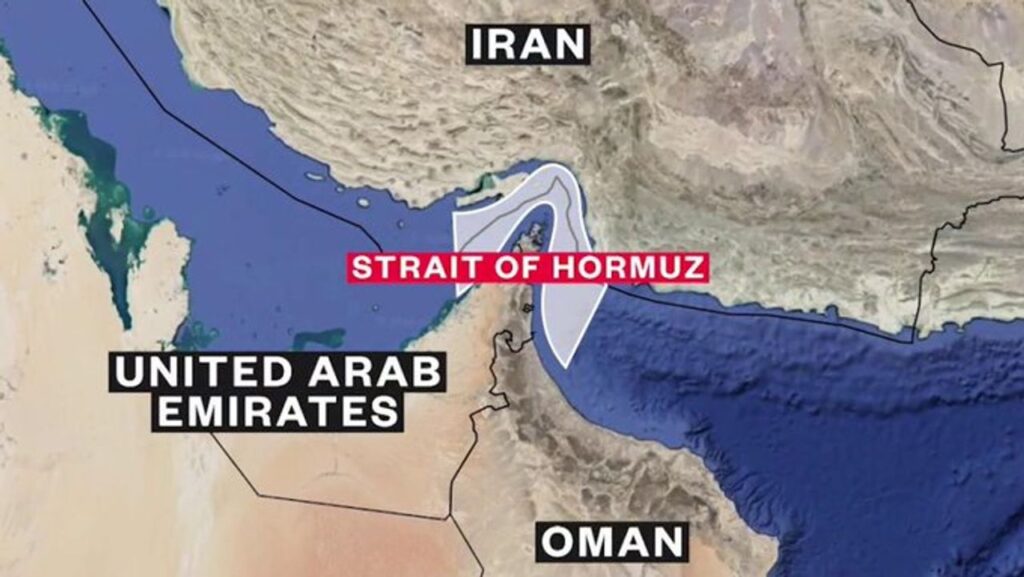
Certain ships navigating waters around the Strait of Hormuz may be disguising their identities or destinations to evade interception under the US blockade, but Joshua Tallis, director of security affairs at the Centre for Naval Analyses, said the US Navy likely has the tools to track them, even if doing so requires more resources.
Some ships appear to have slipped through, according to maritime trackers, but the blockade’s effectiveness depends less on individual crossings than on how Washington defines success, Tallis said.
A campaign aimed at pressuring Iran back to negotiations differs sharply from one intended to inflict enough economic pain to threaten the government itself. Blockades typically operate cumulatively, with economic repercussions unchanged if a ship or two pass through, Tallis said.
More vessels are challenging the blockade, naval expert says
With no alternative route out of the Gulf, vessels appear more willing to take risks than in past crises, including off Venezuela or in the Red Sea, where they could reroute.
“There’s a kind of pent-up pressure, especially among ships stuck inside the Gulf,” Tallis said, adding that it is pushing owners and captains toward decisions they might otherwise avoid. “We’re seeing a higher tolerance for risk than in other scenarios.”
That pressure is compounded by murky visibility at sea. Not all “shadow vessels” broadcast their positions or destinations, and while large oil tankers are relatively easy to track, smaller ships carrying other cargo are harder to identify, creating openings some may try to exploit, he said.
Bessent says Americans can choose if they want to use their tax refunds to buy increasingly pricey gasoline
———————————————
Asked if the tax refunds would go toward gasoline averaging more than $4 a gallon, Treasury Secretary Scott Bessent said the public is free to spend its money however it wants.
“Americans have more money. They can decide how they want to spend it,” Bessent said.
Higher prices at the pump because of the Iran War has created the risk that President Donald Trump’s tax cuts will offset the cost of fuelling up autos to go to work and run errands, instead of boosting spending in ways that could help overall economic growth.
Bessent told reporters that he believes gasoline prices will be closer to $3 gallon this summer, saying pumping oil can resume within a week of the Strait of Hormuz opening.
“I’m optimistic that sometime between June 20th and September 20th that we can have $3 gas again,” said Bessent.
Gas prices are averaging $4.11 a gallon, up from $3.17 a year ago, according to AAA.