English
















































































































































































































































































































































Safety First, Judgment Later

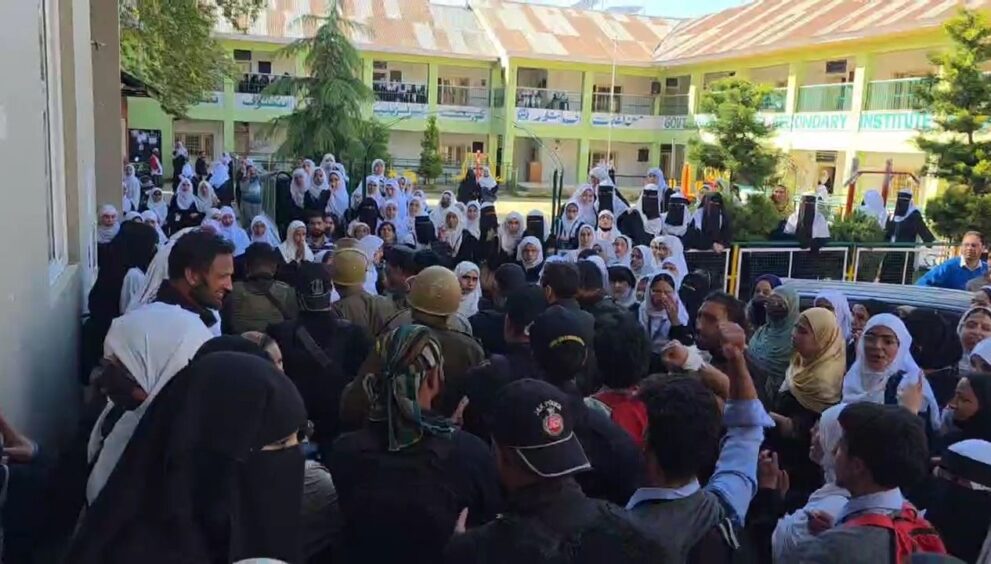

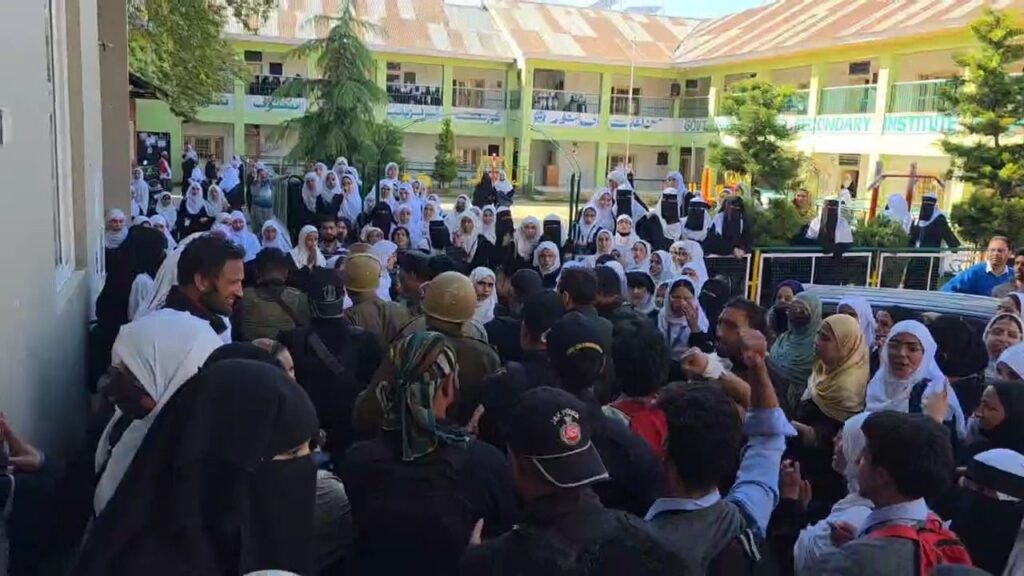
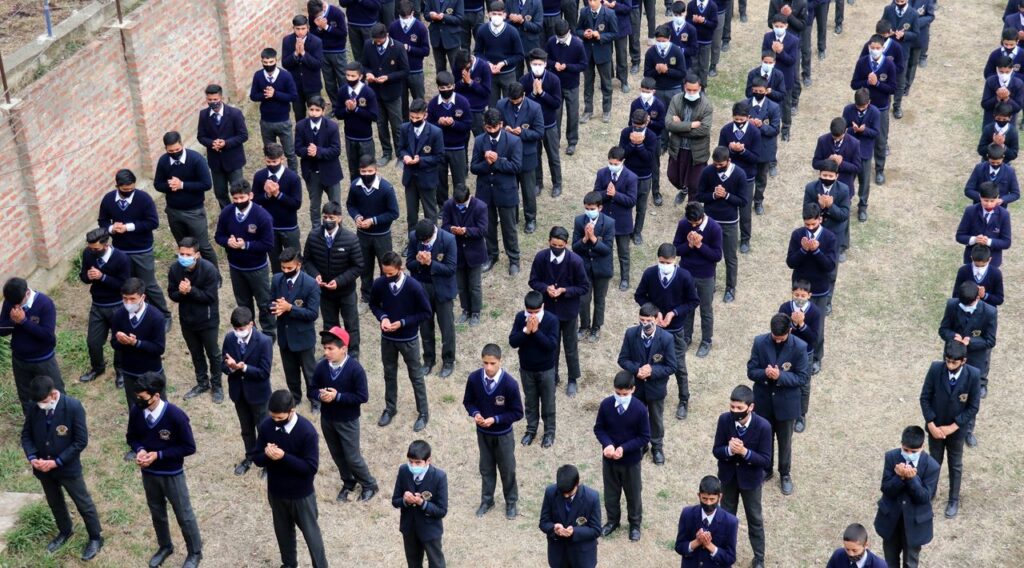
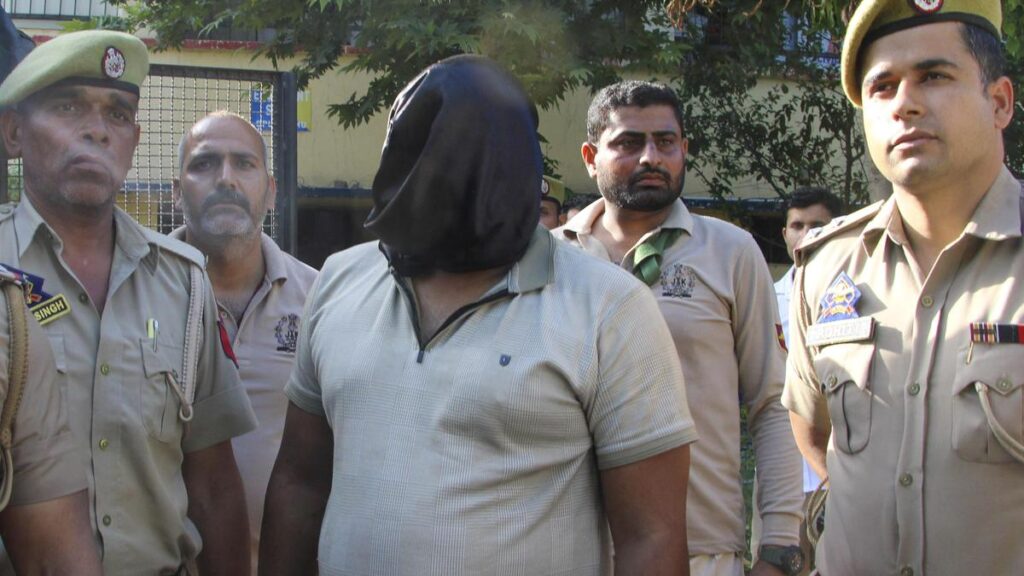
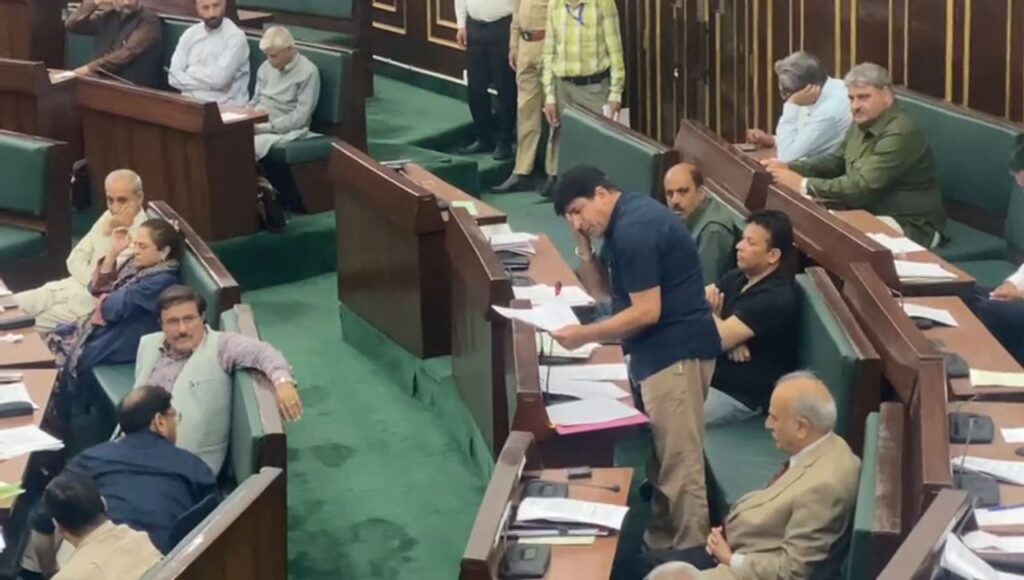
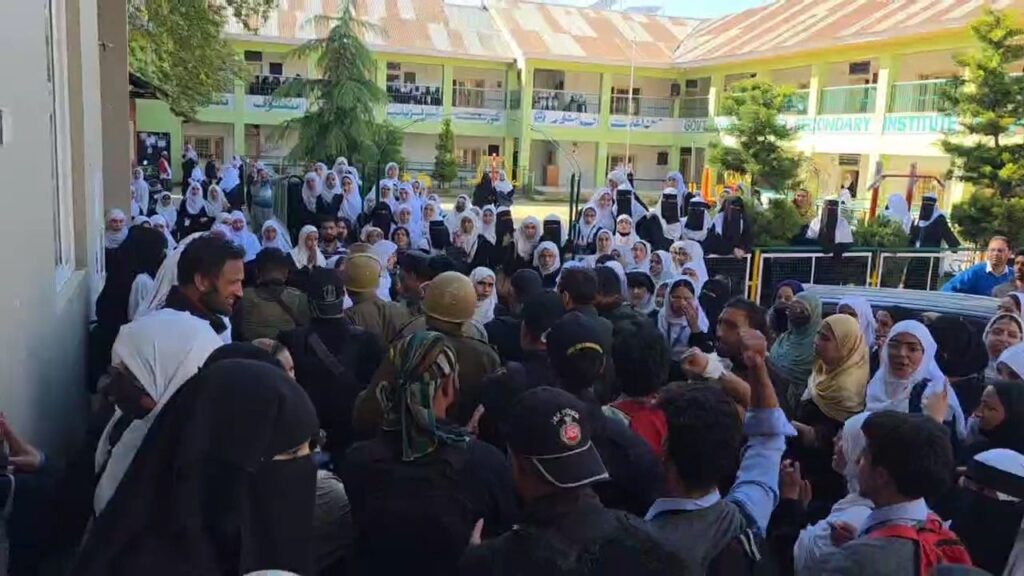
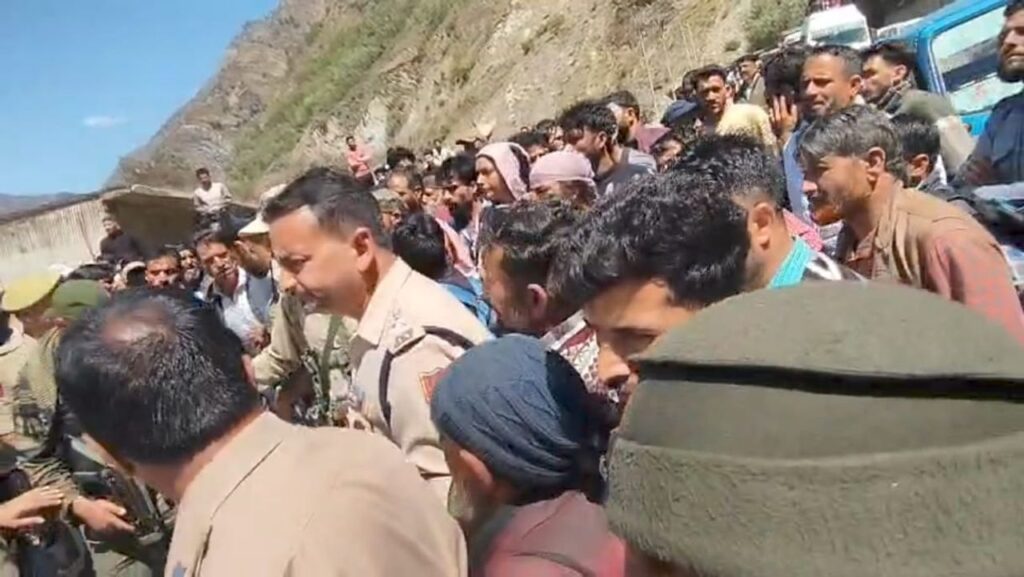
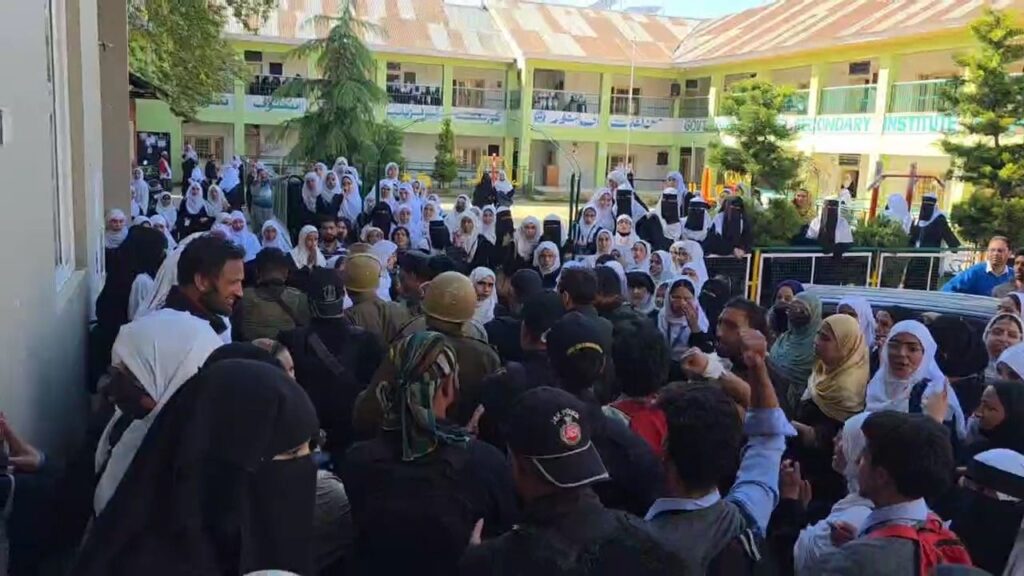
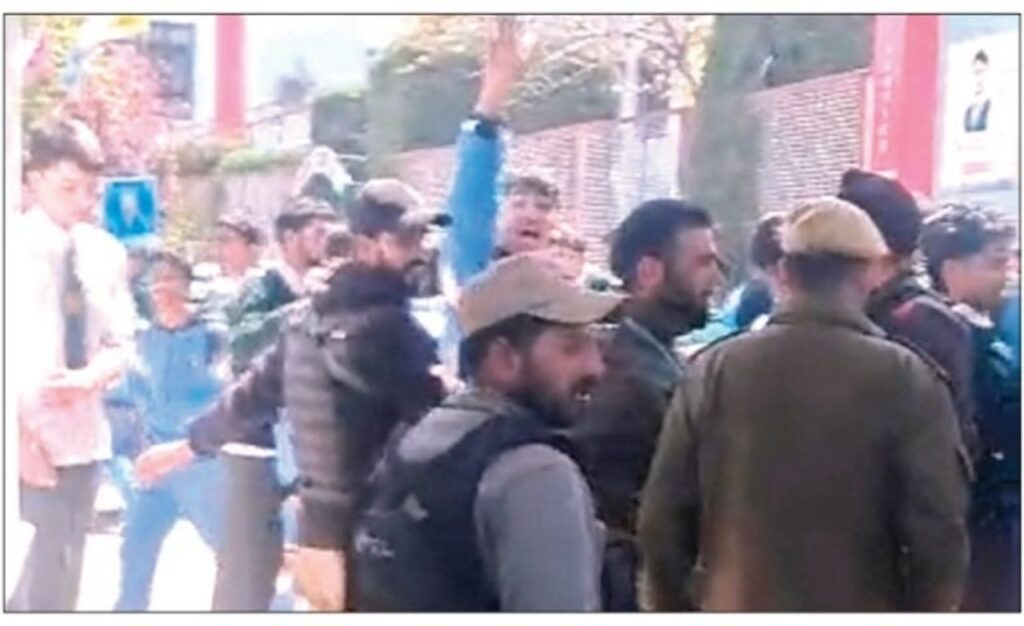
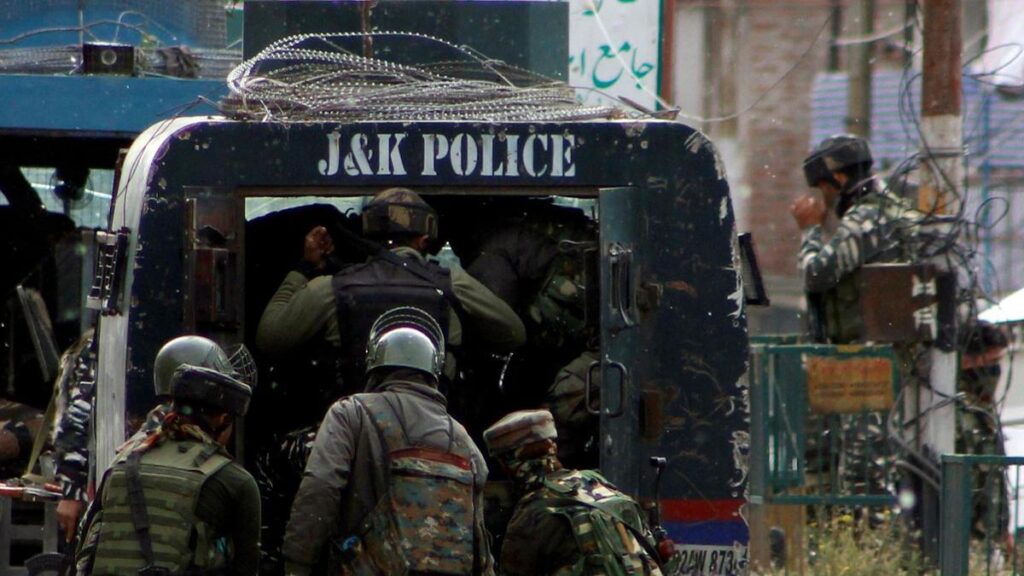
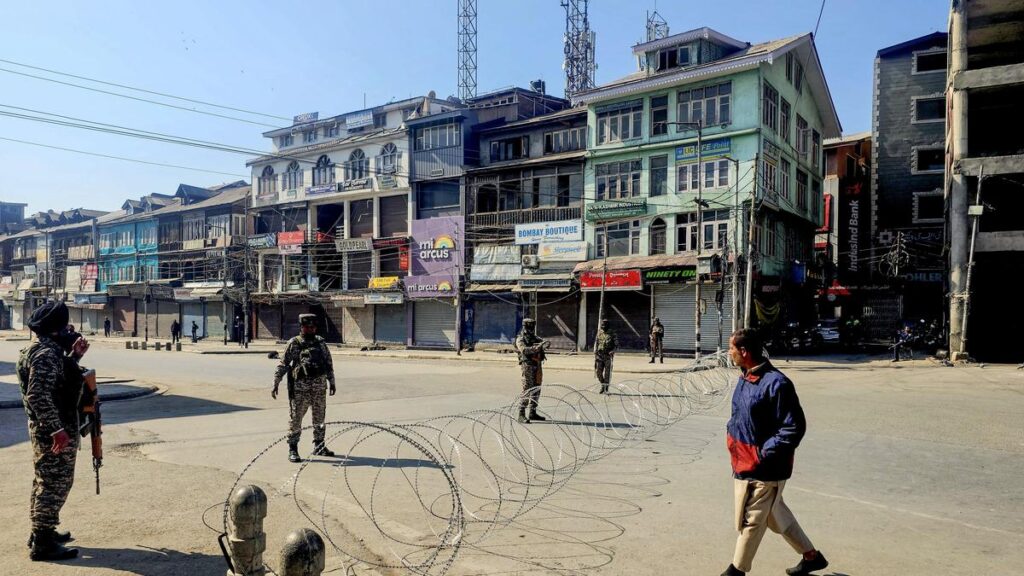
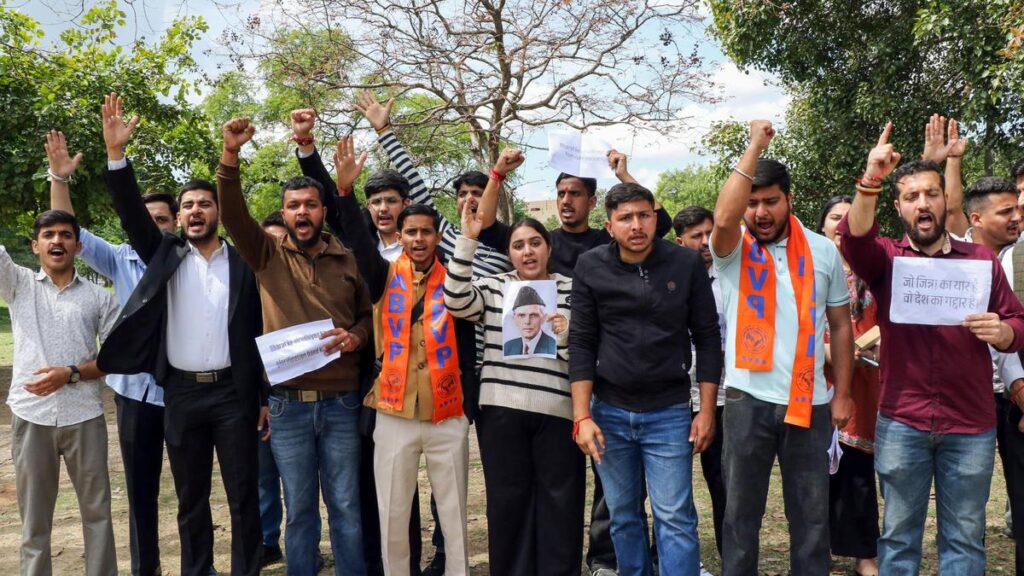
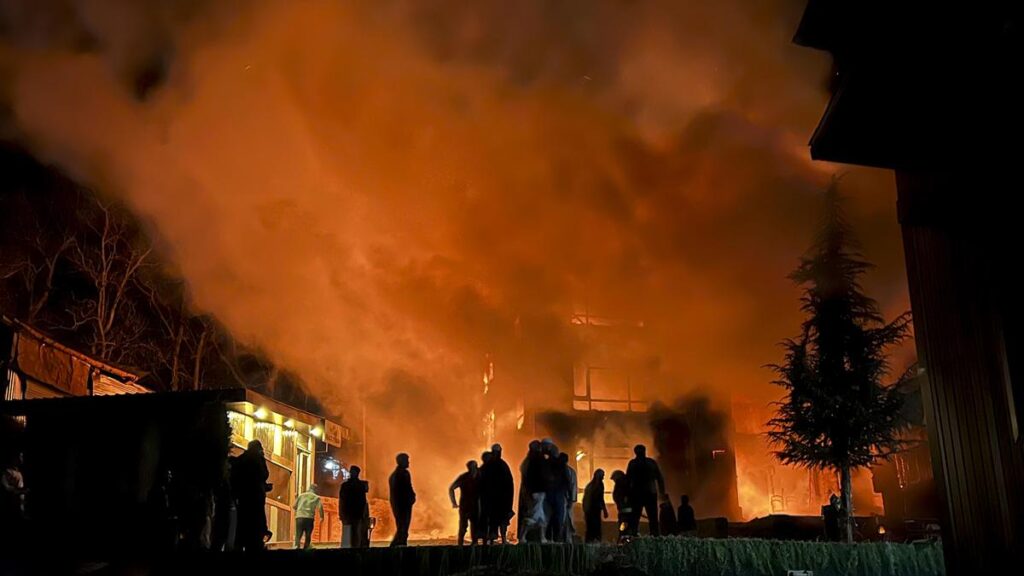
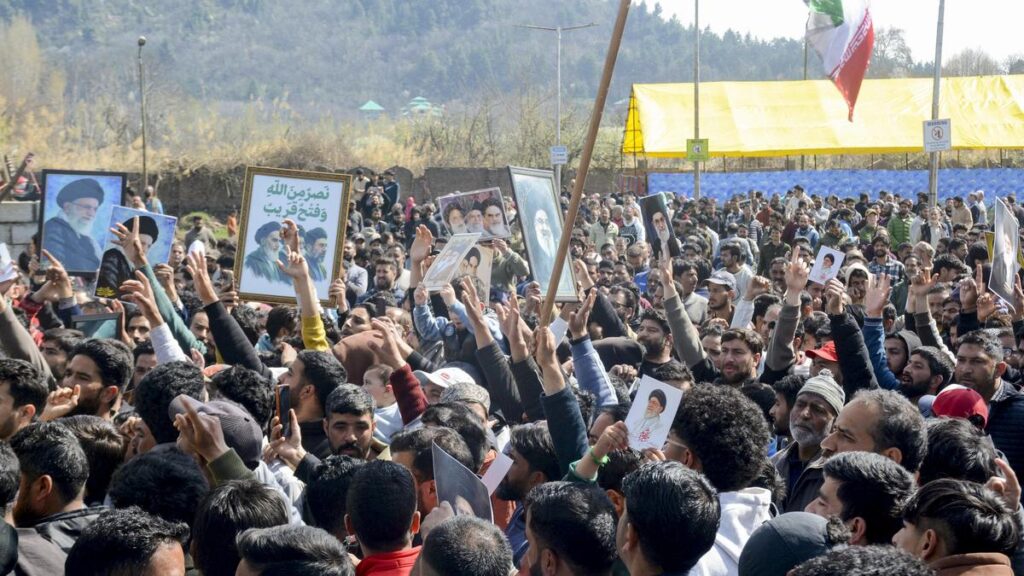
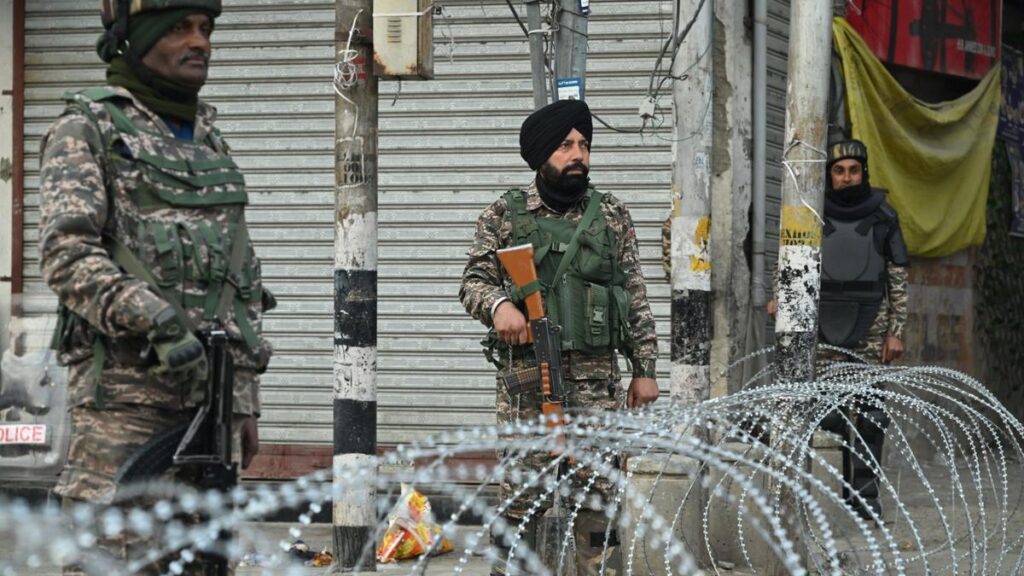
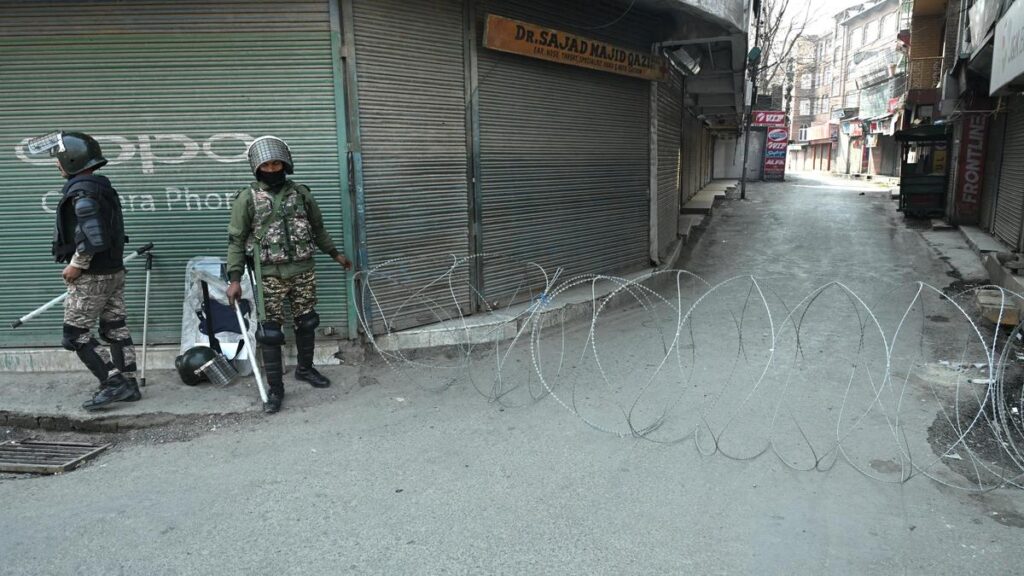
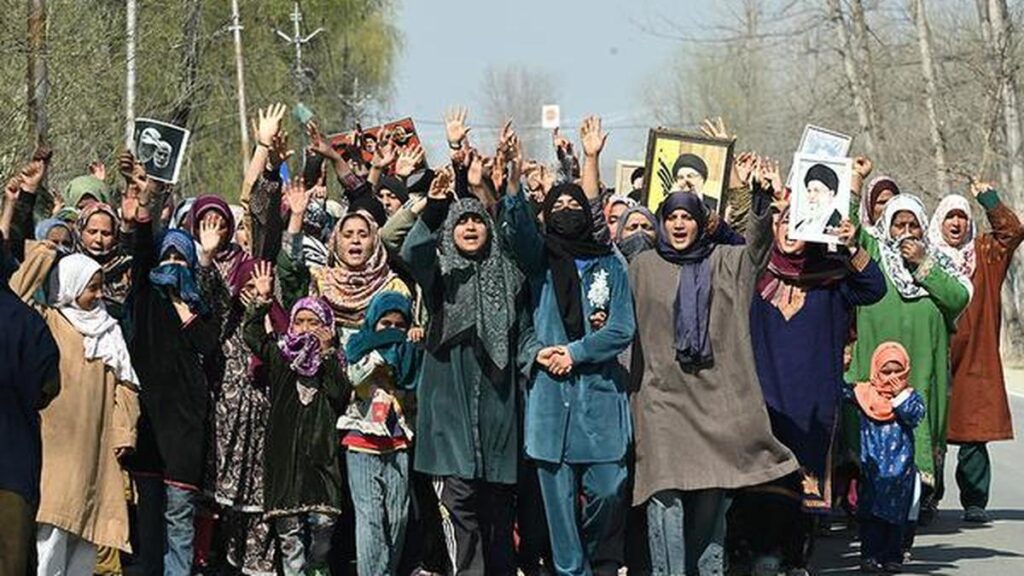
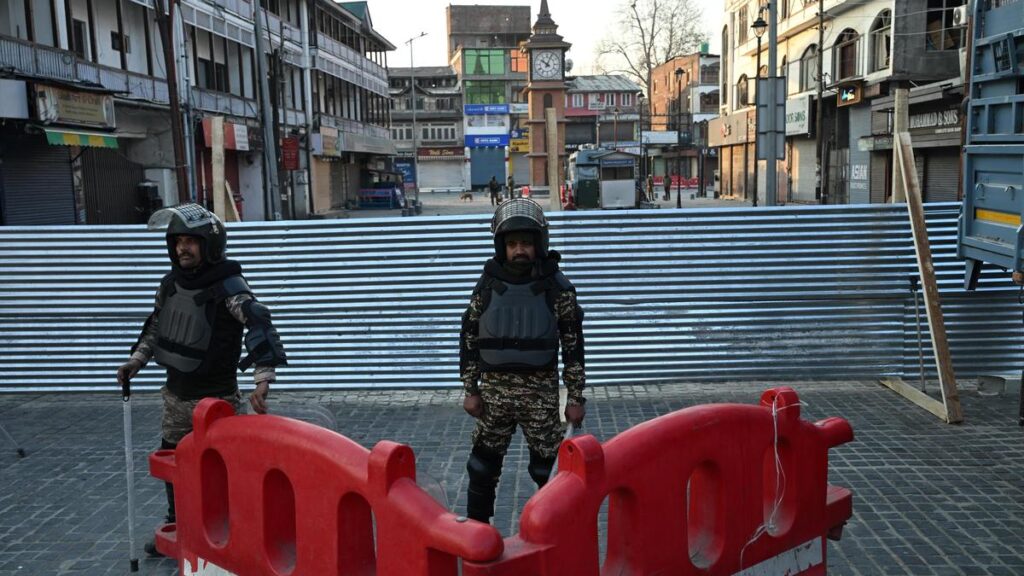
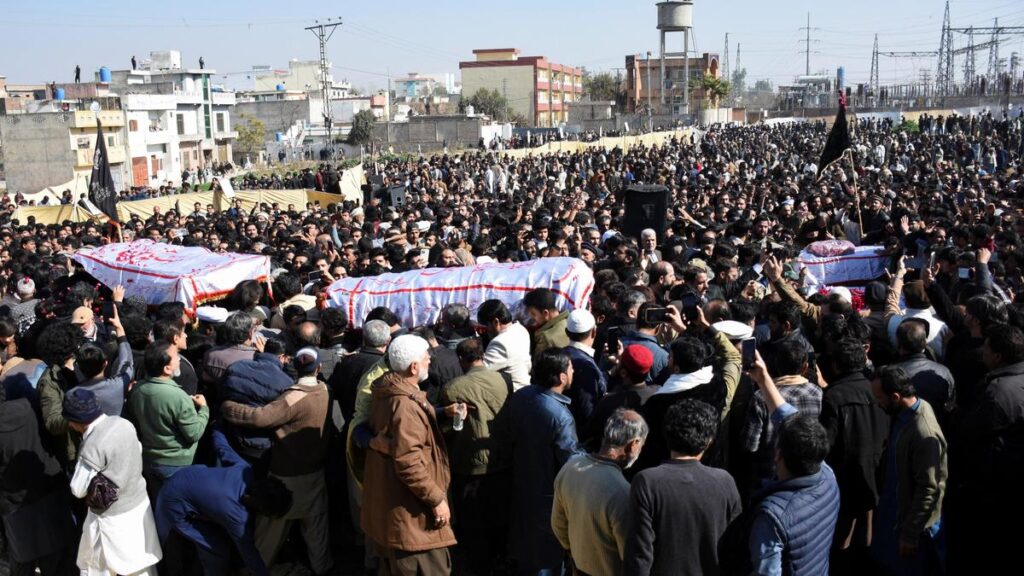
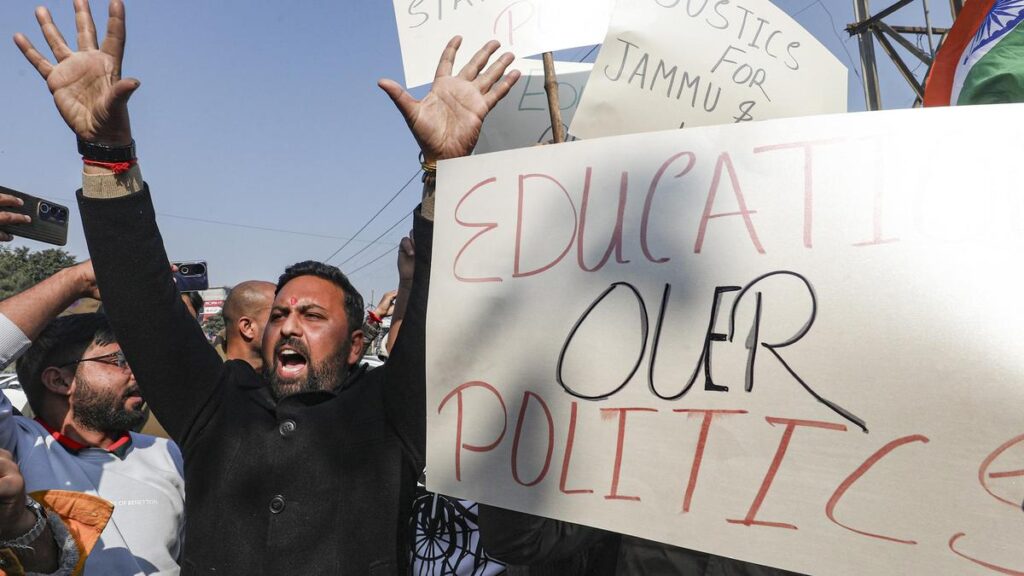
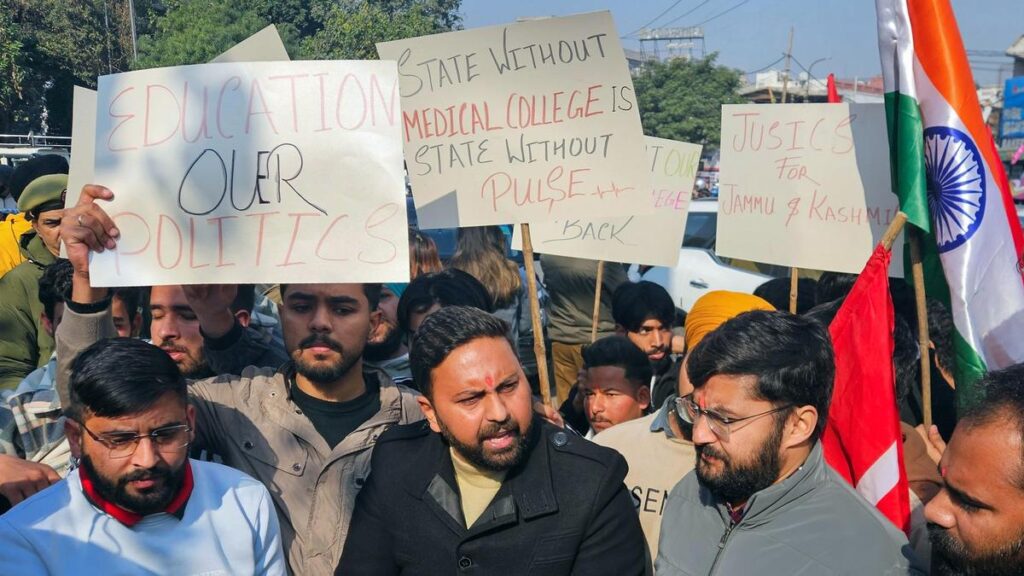
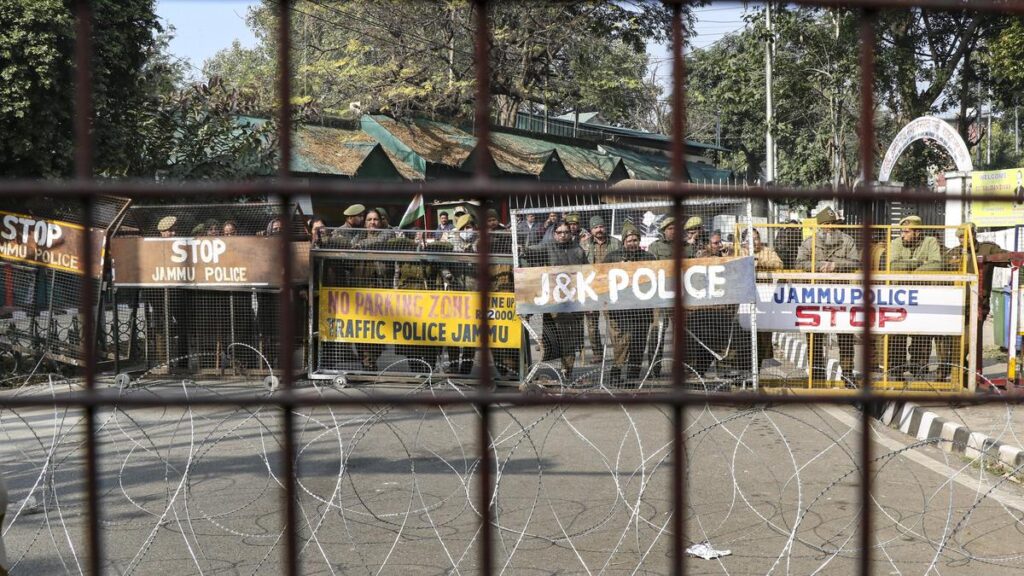
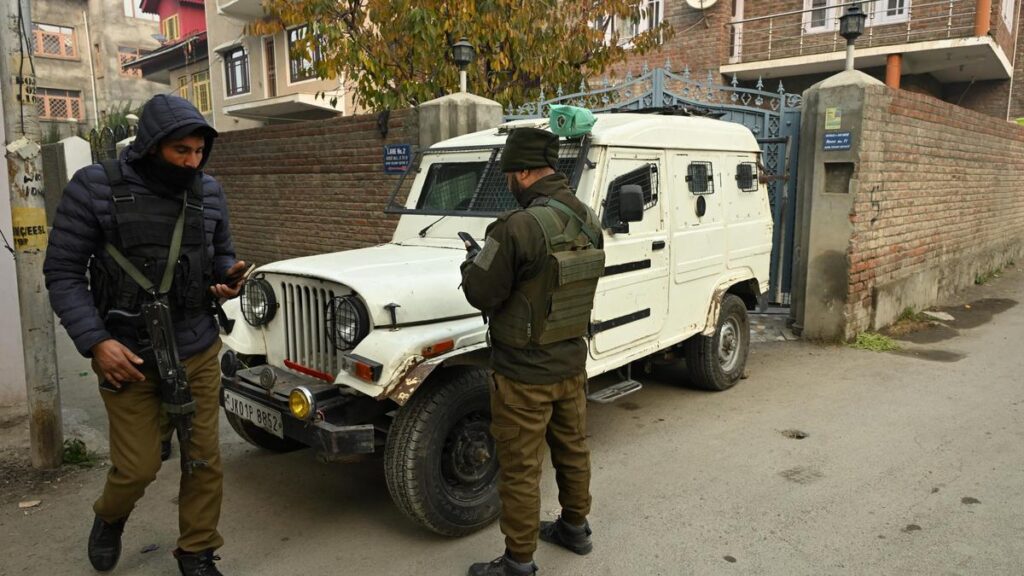
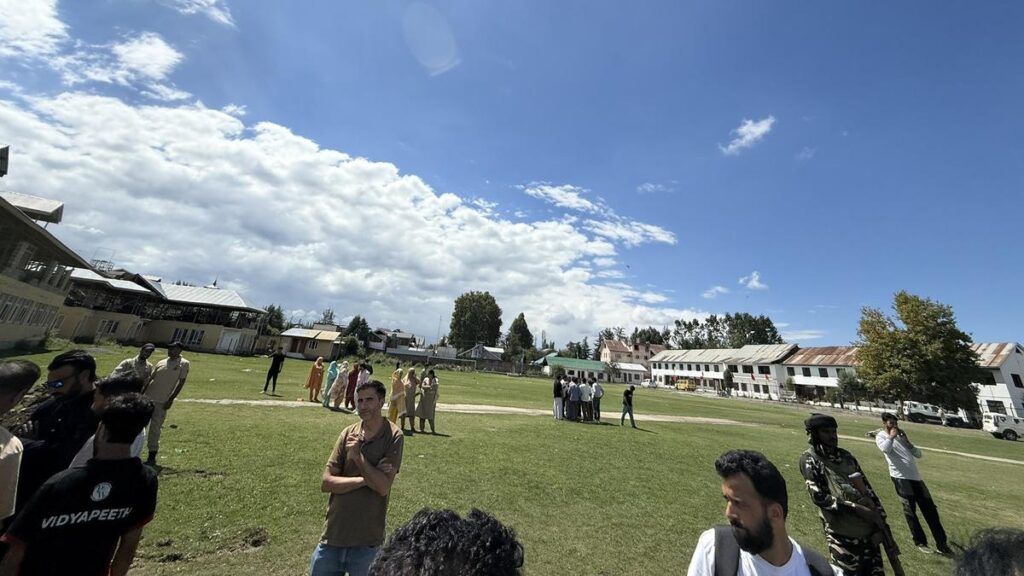
The recent incident at Government Girls Higher Secondary School Sopore has triggered concern, debate, and strong reactions. Allegations of harassment raised by female students against a teacher led to protests that eventually turned volatile. The administration responded by registering an FIR and initiating an inquiry, which is currently underway. At this stage, one principle must guide us: no conclusions before the facts are established.
It is neither fair nor responsible to assign blame while the investigation is still on. Any attempt to pre-judge the outcome risks undermining both justice and institutional credibility. At the same time, dismissing the concerns raised by students would be equally problematic. A balanced approach demands that due process is respected and student voices are taken seriously.
A situation like Sopore raises an immediate question: Are our educational institutions safe enough for students, especially young women? This issue cannot be addressed only after crises emerge; it requires structural safeguards for safety and protection.
Schools must put in place clear and accessible complaint mechanisms so that students can report concerns without fear. Confidential grievance systems, monitored by designated committees, are essential. In addition, CCTV cameras in common areas can serve as a deterrent and provide transparency, while maintaining appropriate privacy boundaries.
There is also a need for well-defined protocols governing teacher–student interactions. Ambiguity in such relationships creates space for both misconduct and misunderstanding. Institutions must eliminate that ambiguity through clear rules and accountability.
Equally important are sensitisation programmes. Teachers must be trained in professional boundaries and gender sensitivity, while students should be made aware of their rights and the channels available to them. Safety is not ensured by authority alone; it is built through awareness and systems.
At the same time, the dignity of the teaching profession must be upheld. Teachers are central to the moral and intellectual development of society. But respect for teachers cannot mean immunity from scrutiny. In fact, accountability strengthens, rather than weakens, the credibility of the profession. As the Sopore inquiry progresses, restraint is necessary. Public opinion must not run ahead of verified facts. Justice requires patience.
This incident should not divide us into camps of accusation and defence. Instead, it should push us toward a common goal: creating educational spaces where students feel safe, heard, protected and where justice is delivered fairly and transparently.
Until the truth emerges, one priority must remain non-negotiable: student safety first, judgment later.