English



























































































































































































































































The Resilience of Civilization


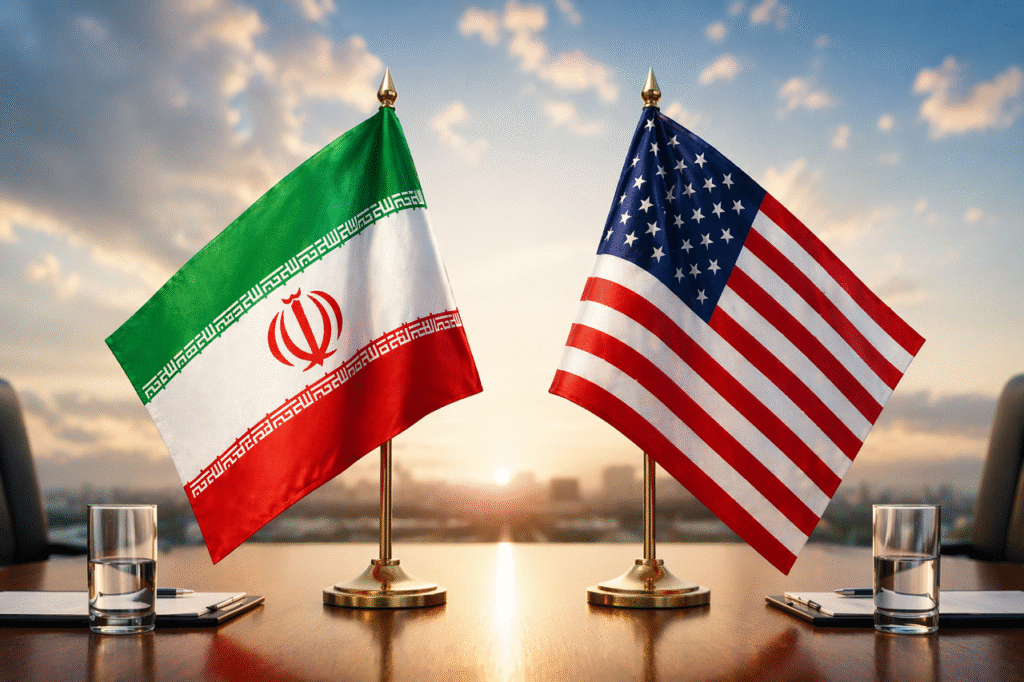
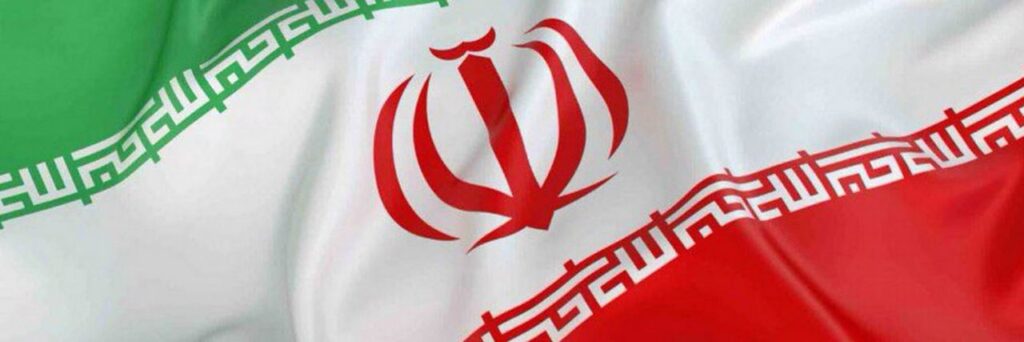
The ebbing of this tragic war, while offering a measure of relief to Iran and to the wider world, brings into sharper focus enduring questions about the civilizational labour that underpins nation states and the imperative of preserving the order so arduously achieved over time.
Civilizations do not disintegrate so long as the normative lifeworld that sustains them retains a degree of organic continuity. Their endurance rests not on coercion but on the quiet and persistent reproduction of meaning through shared understandings, ethical traditions, and communicative practices. This foundational sociological insight, closely associated with Jürgen Habermas, offers a compelling lens through which to interpret the shifting contours of contemporary global politics.
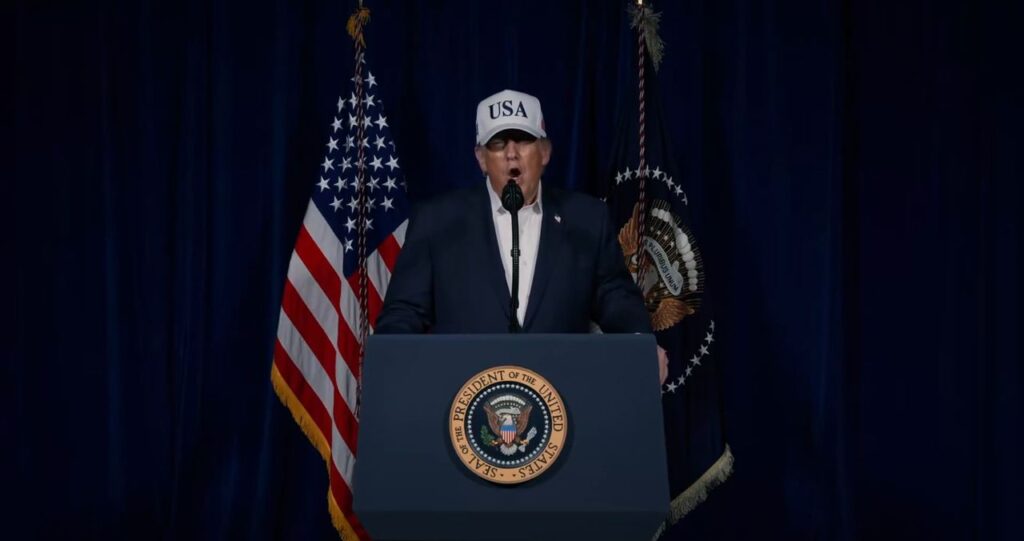
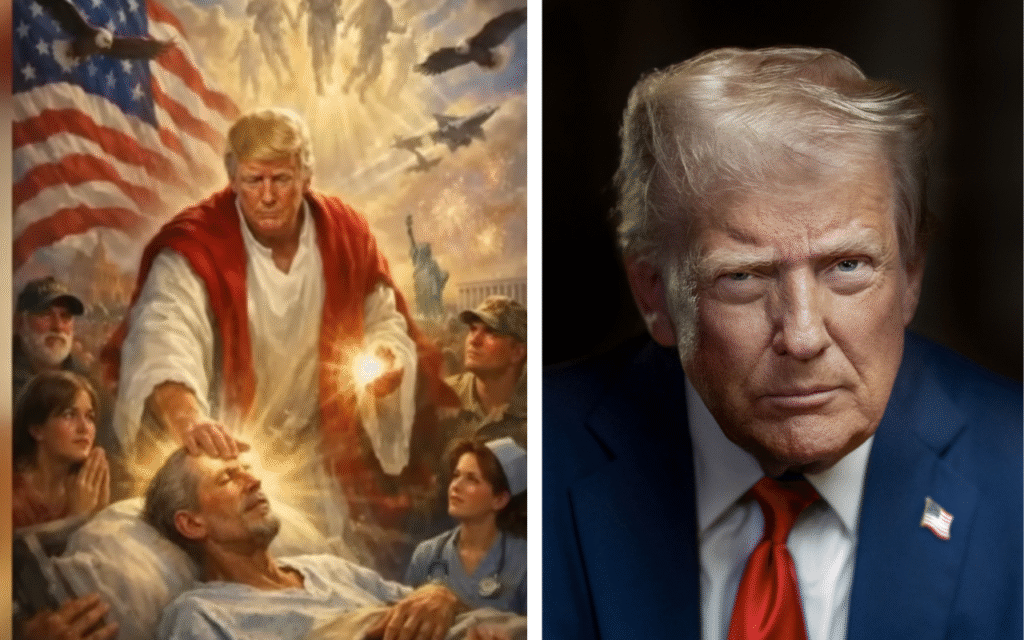
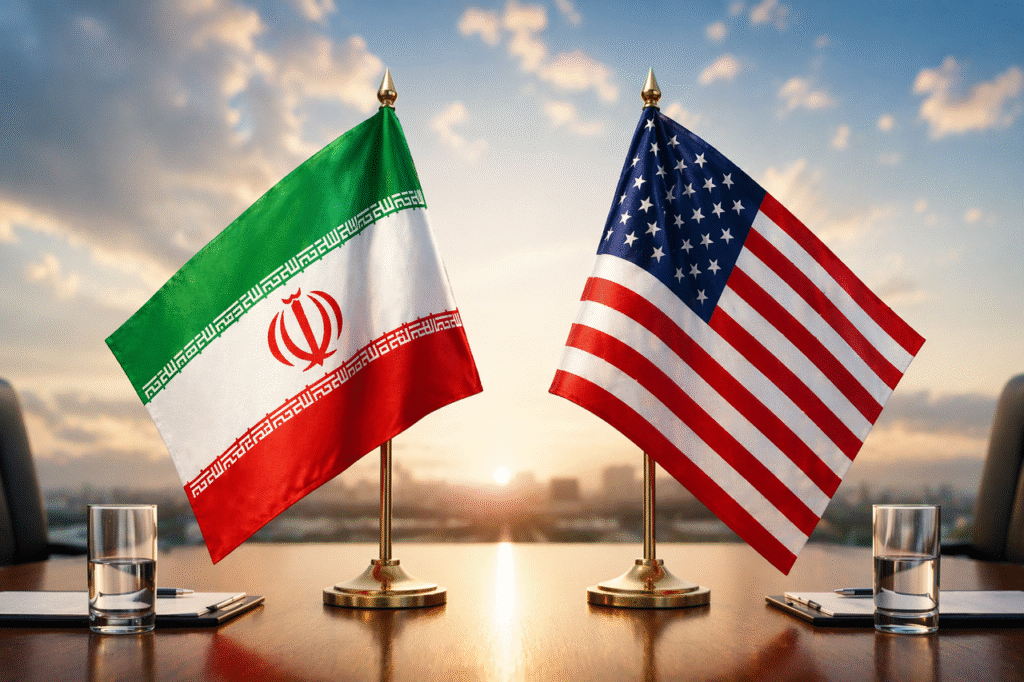
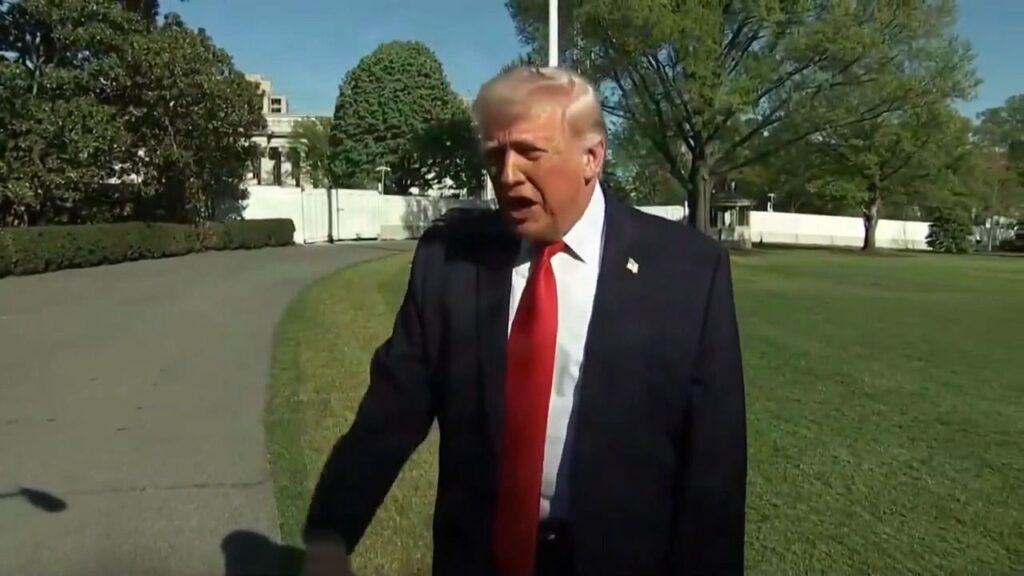
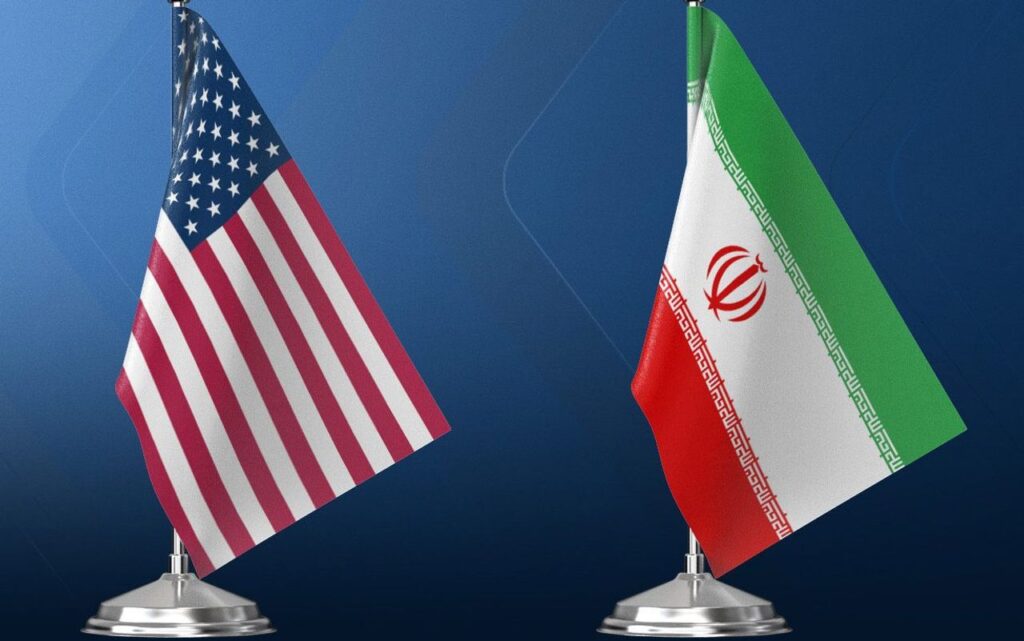
What appears most striking in the present moment is the widening disjunction between strategic action and communicative rationality. The spectacle surrounding Donald Trump, who moved from issuing threats of annihilation against Iran to subsequently embracing negotiation and recalibration involving Pakistan, reveals not the assertion of sovereign confidence but a deeper crisis of legitimacy. Such oscillation is not merely tactical inconsistency; it reflects a structural tension between the logic of coercive power and the normative demand for justification that underpins any durable political order.
History is unlikely to record such episodes as moments of triumphant will. Rather, they will be understood as instances in which strategic excess yielded to the more enduring logic of discourse. The spectacle of power recedes into quieter processes of negotiation and recalibration, where legitimacy is renegotiated rather than imposed.
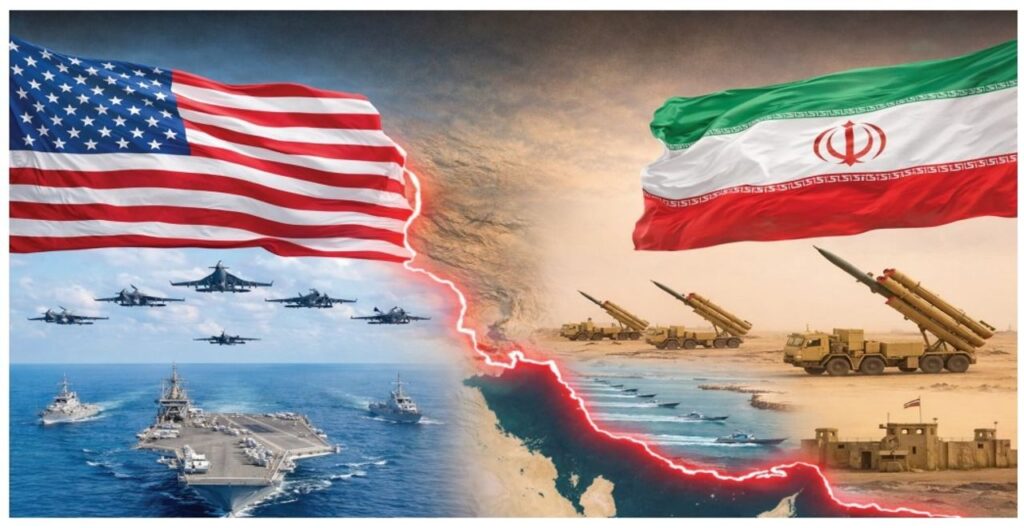
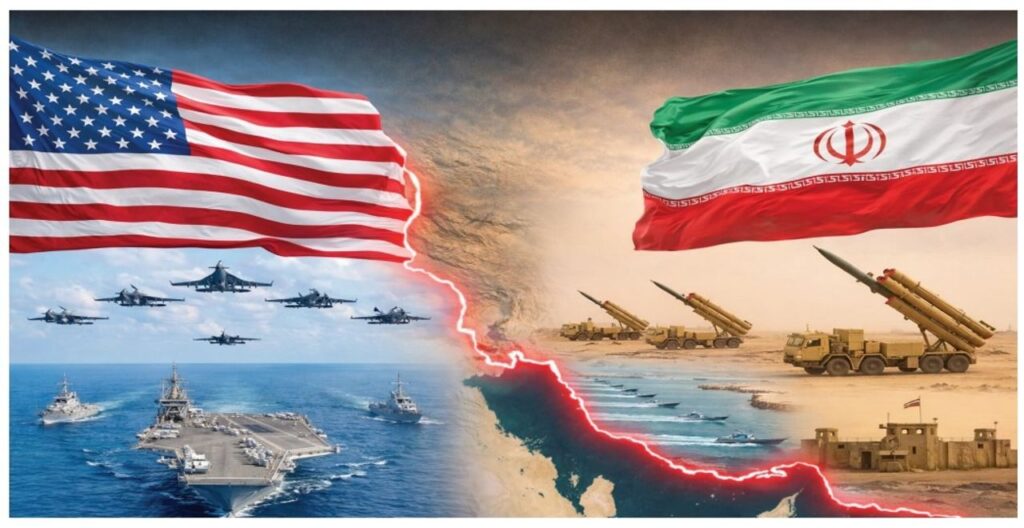
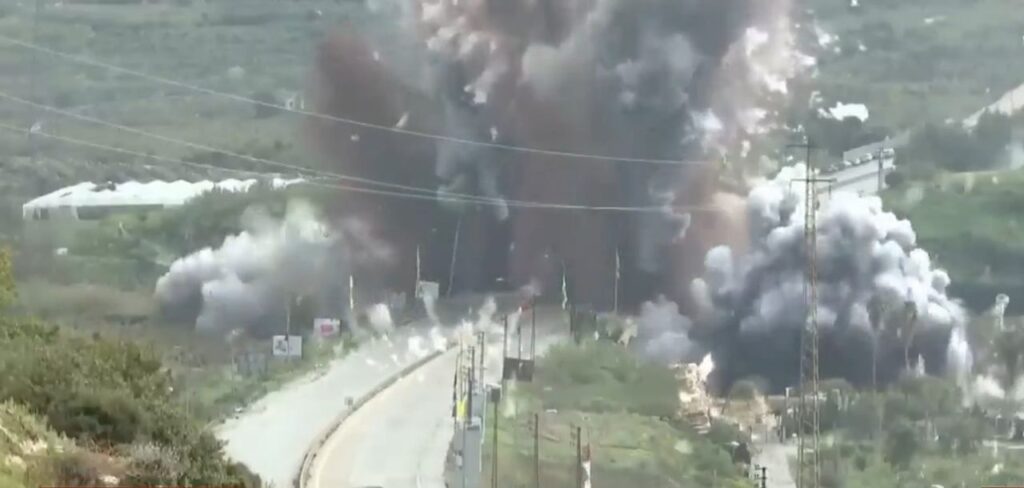
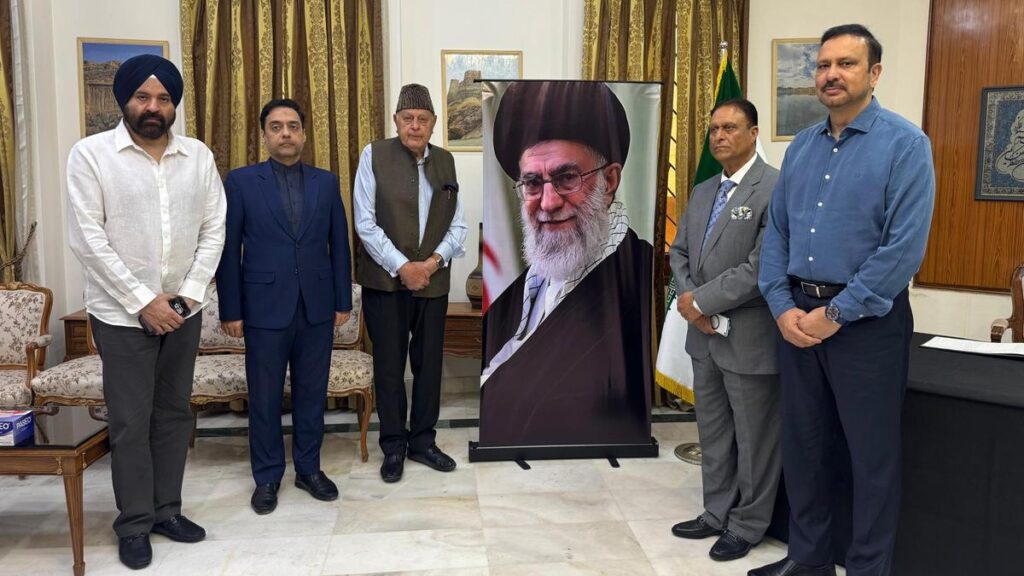
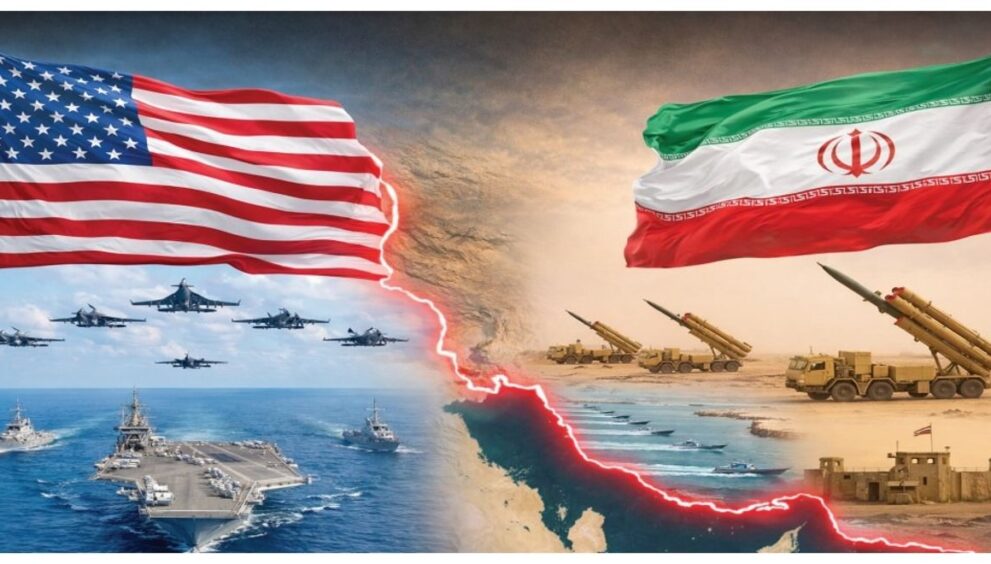
This paradox becomes particularly evident in the military engagement initiated by Donald Trump in alignment with Benjamin Netanyahu. The declared objectives were expansive, including the termination of uranium enrichment in Iran, the prospect of regime change, and the delivery of a decisive blow to its military infrastructure. Yet these aims remain largely unrealized. While there has been visible destruction and loss of life, the deeper architecture of the Iranian state endures. The clerical establishment remains intact, the collective will of its society persists, and the nuclear question continues as an open field of negotiation rather than a settled conclusion.
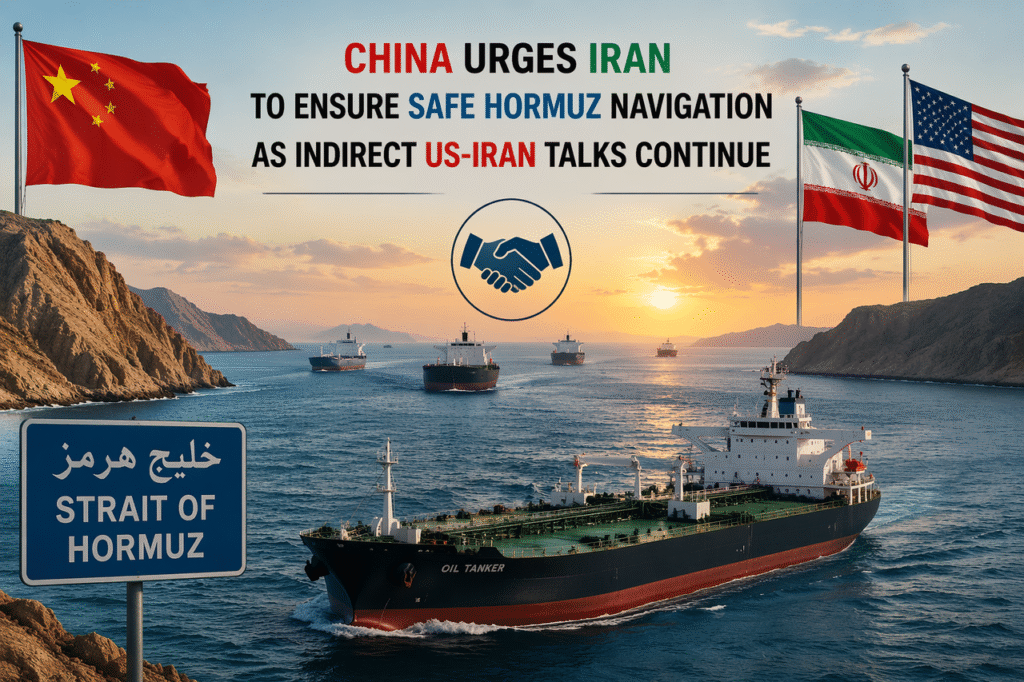
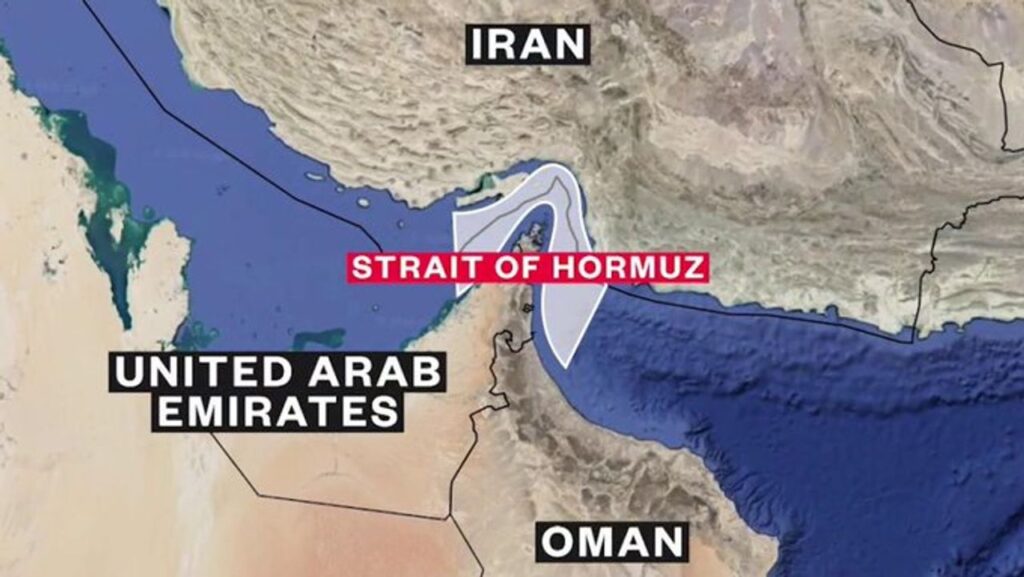
The strategic paradox deepens when viewed against the evolving geopolitical context. The Strait of Hormuz, long perceived as a vulnerability, now emerges as a potential lever in Iran’s negotiating posture. What was intended as an act of coercive finality has instead produced renewed capacity for bargaining. Power, when exercised without communicative grounding, often generates consequences that exceed and even subvert its own intent. In this shifting landscape, Pakistan’s historically consequential role cannot be overlooked. Half a century ago, Henry Kissinger’s quiet diplomacy helped reshape the global balance of power, facilitating China’s emergence with Pakistan as a pivotal intermediary bearing significant costs. A somewhat analogous dynamic now appears to be unfolding. Following the gradual thaw in relations with Iran since 1979, the United States seems once again to rely on a regional intermediary. In this context, General Asim Munir has emerged as a consequential figure within evolving strategic alignments.
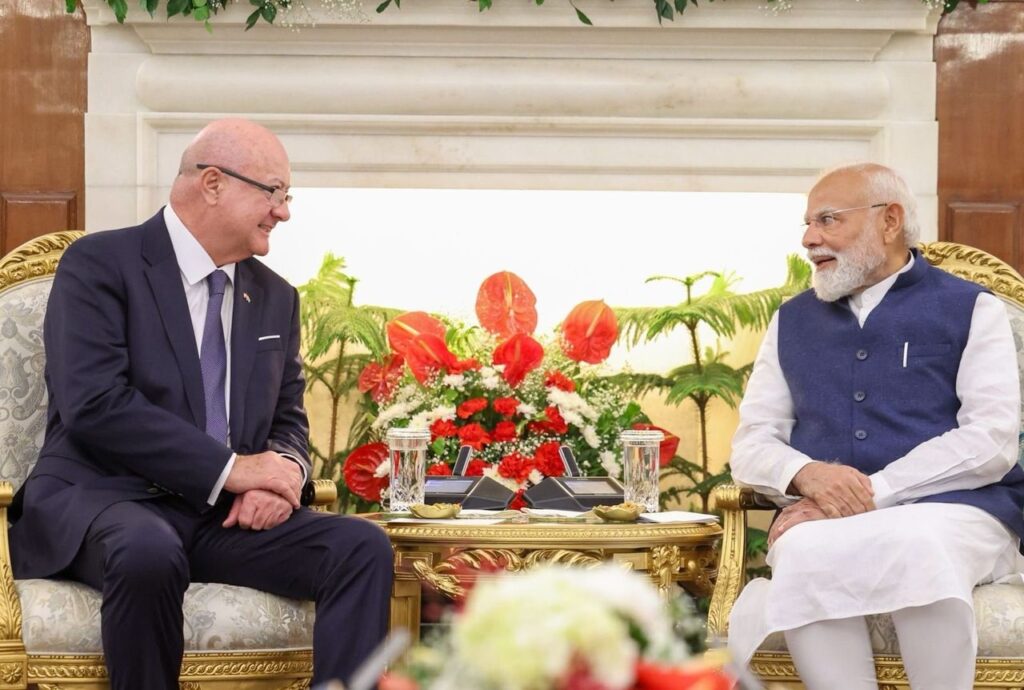
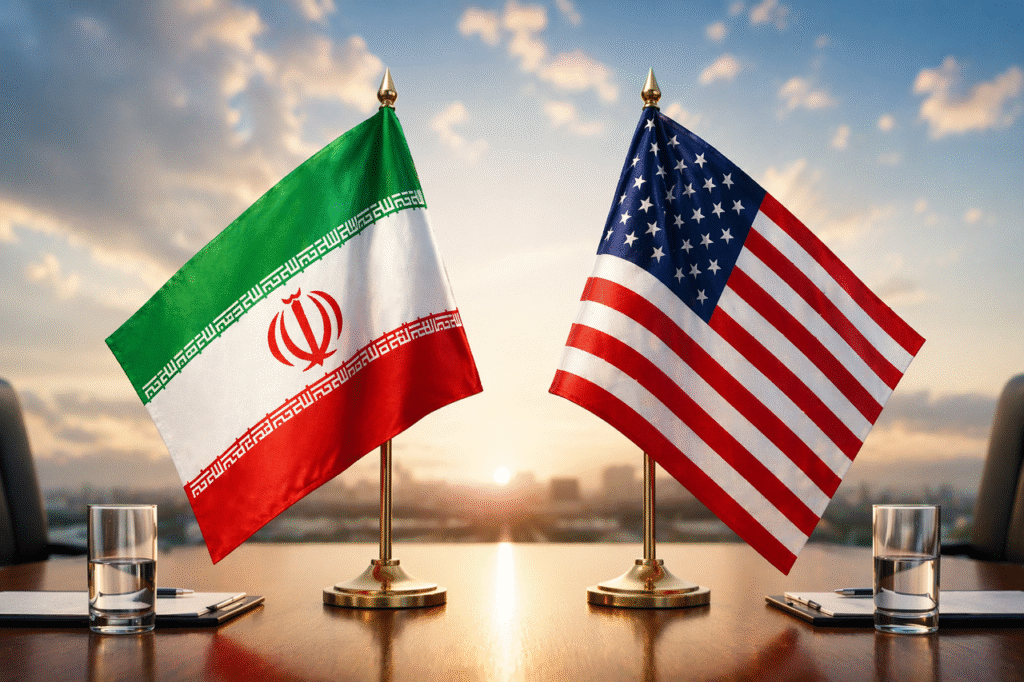
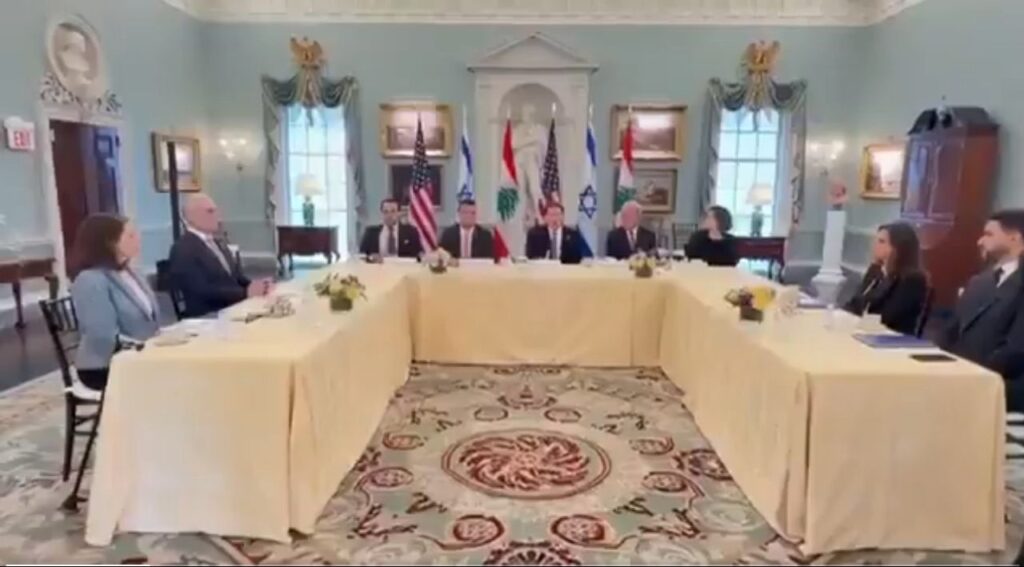
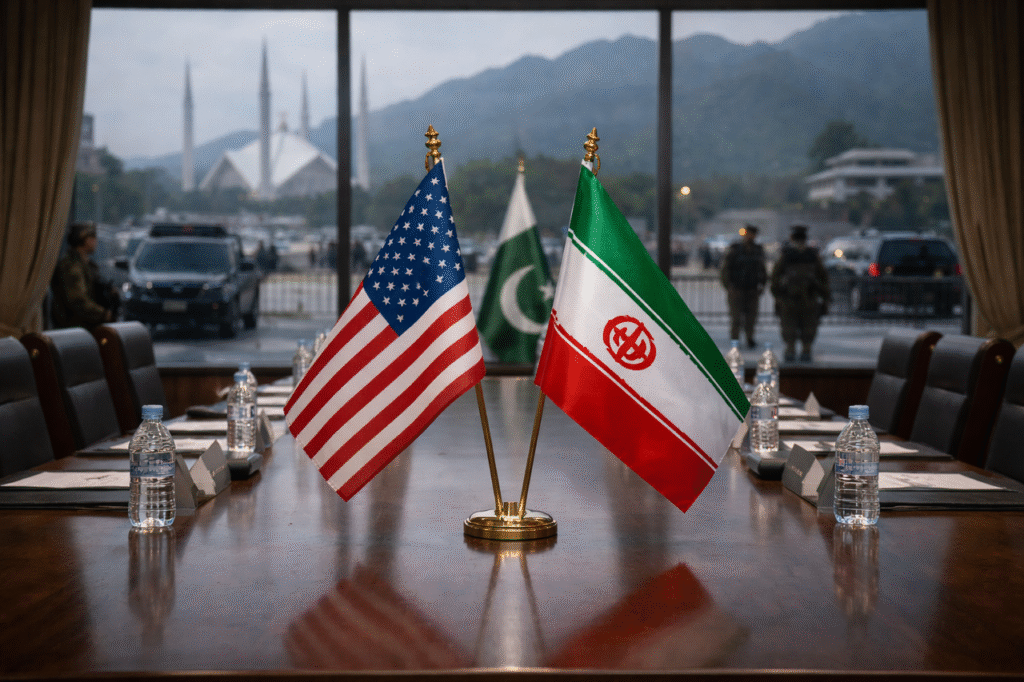
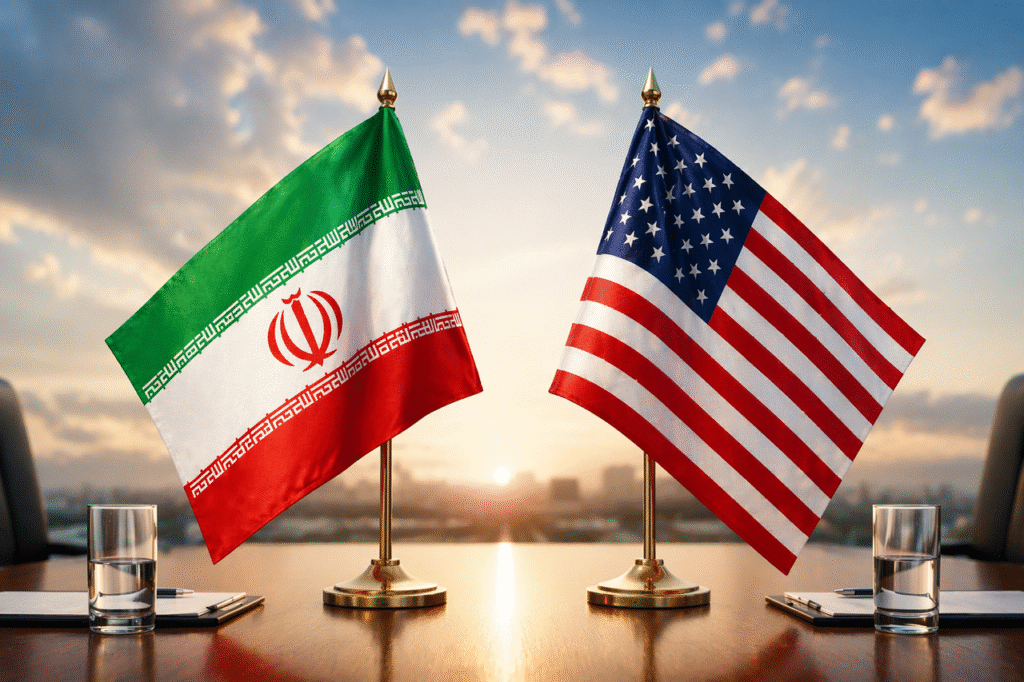
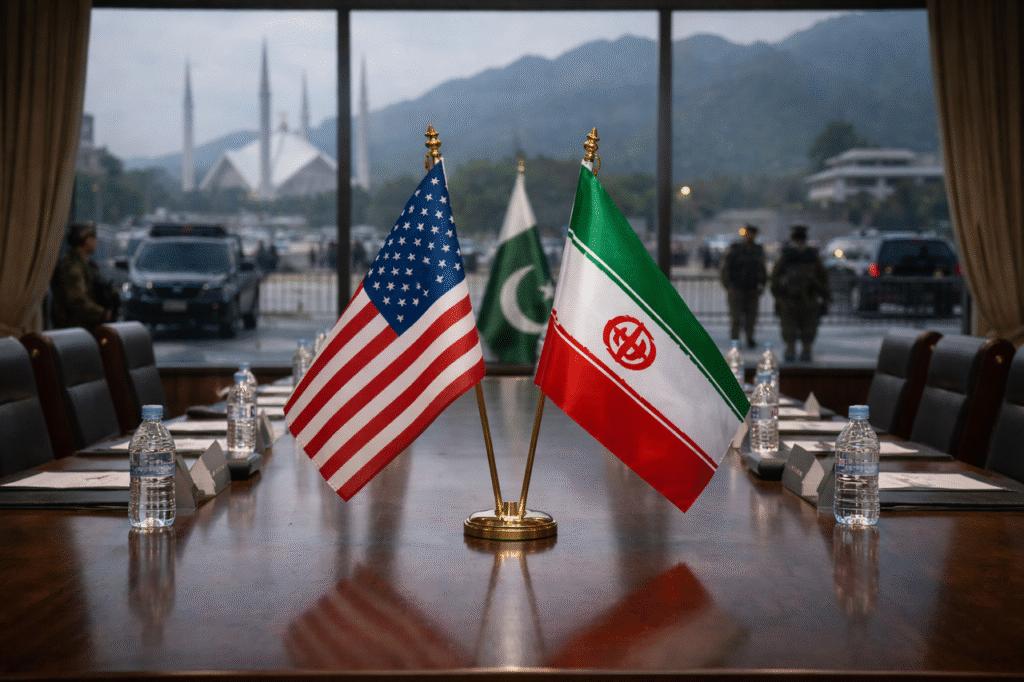
Iran’s search for respite, combined with a war weary international community, lends urgency to renewed negotiations. Recent dialogue in Islamabad, though prolonged, faltered amid concerns over external influence and compounded mistrust. Yet there is little appetite for continued conflict on any side. A second round of talks appears imminent, with indications of a possible American exit framework, a draft nuclear understanding, and the reopening of the Strait of Hormuz forming part of the emerging diplomatic horizon. The phase of rhetorical posturing now appears to be receding as key stakeholders, including major global powers, engage in substantive dialogue. The present moment reflects a world in transition, marked by the visible attenuation of American dominance. Europe, along with China and Russia, has refrained from endorsing the blockade of the Strait of Hormuz. At the same time, China, Russia, and even India appear to be contributing to a broader effort to facilitate de-escalation and create conditions for an American exit alongside a cessation of Israeli bombardment. What is unfolding is not a bilateral negotiation between Iran and the United States but role of China ,Russia and India to give directions to the gradual emergence of a reconfigured world order. The Middle East is undergoing transformation, and in this emerging landscape, strategic power is no longer concentrated in a single centre. Europe too is responding to this moment as a call for recalibration within a changing global order.
The emergence of Donald Trump on a nativist platform further reveals a profound paradox within the historical self-understanding of the United States. A nation shaped by migration and long regarded as a normative horizon of liberal modernity now exhibits tendencies of exclusion and inwardness. This shift resonates beyond its borders, subtly legitimizing political tendencies in parts of the developing world that privilege majoritarian assertion and instrumental power over civilizational depth. It also marks a moment of testing for Trump himself. In the absence of a clear military victory, which appears unlikely, the long standing perception of unchallenged American dominance, especially as witnessed in the latter half of the twentieth century, stands increasingly unsettled within a more complex and multipolar reality.
In India, these reverberations find echoes in strands of public discourse that question pluralism and advocate narrower conceptions of national strength. Such perspectives overlook a fundamental sociological truth. Nations are not constructed through abrupt assertions of power or identity; they evolve through organic continuity sustained by shared ethical frameworks and inclusive traditions. India’s transformation from an ancient civilization into a modern democratic state was anchored in a plural and dialogic ethos nurtured through its national movement and early leadership.
The assertion of national ownership must therefore remain tempered by a conscious commitment to this plural ethos. To abandon it in pursuit of immediate ideological or geopolitical gains would risk eroding the very foundations of India’s resilience. Reactive comparisons or adversarial imitation offer only transient mobilization in place of enduring legitimacy. Recent global developments reinforce this caution. Assertive nationalism may yield short term consolidation, but it cannot substitute for legitimacy grounded in inclusiveness, dialogue, and continuity. For India, as for any civilization with a long historical memory, the path forward lies not in imitation but in the renewal of its own plural civilizational resources.
Within this broader context, it is reasonable to anticipate that the present ceasefire may endure in the near term. The historical disposition of the United States reveals a limited appetite for prolonged external wars involving sustained human and material costs. The experiences of Vietnam, Afghanistan, and Iraq illustrate a recurring pattern in which initial assertiveness yields to domestic fatigue and eventual recalibration. This structural constraint remains visible even in the present tensions. These episodes illuminate a deeper contradiction within the modern international order. The framework of sovereign nation states governed by international law presupposes adherence to shared norms. When these principles are set aside in pursuit of strategic objectives, the consequences extend beyond the immediate theatre of conflict and return to burden the intervening power itself, generating political strain, moral ambiguity, and economic cost. The crisis thus becomes reflexive rather than merely external.
At the same time, it is necessary to acknowledge internal dynamics that have contributed to contemporary tensions. The Iranian Revolution marked a turning point in which ideological projection became an instrument of state policy. Its export generated anxieties and counter responses across the region, mirrored by competing ideological assertions from Saudi Arabia. This reciprocal dynamic extended beyond the Middle East into South Asia, contributing to a wider ecology of instability. The long term consequences are evident in the proliferation of transnational extremism, asymmetrical conflict, and new forms of insurgency. These are not isolated phenomena but structural outcomes of ideological contestation conducted outside the bounds of communicative rationality. When states privilege ideological expansion over internal consolidation and dialogue, they erode stability at both regional and global levels.
Yet even within this turbulent landscape, a broader sociological truth endures. Civilizations and nation states alike are sustained not by force alone but by the cultivation of legitimacy. This legitimacy must be secured internally through inclusive processes and externally through adherence to shared norms. Sovereignty, in this sense, is not merely juridical but moral and communicative. The present moment reveals a fundamental paradox at the heart of political modernity. Power may compel compliance, but it cannot secure consent. The durability of political order rests not on domination but on the capacity to justify, persuade, and integrate. Where this balance is lost, even the most formidable structures of power reveal their fragility. Where communicative rationality endures, civilizations retain the capacity to persist, adapt, and renew themselves across time.
Prof. Ashok Kaul, Retired Emeritus Professor of Sociology at Banaras Hindu University