English

















































































































































































































































































































































Year on, Machail Mata Yatra resumes, but silence lingers in Chisoti

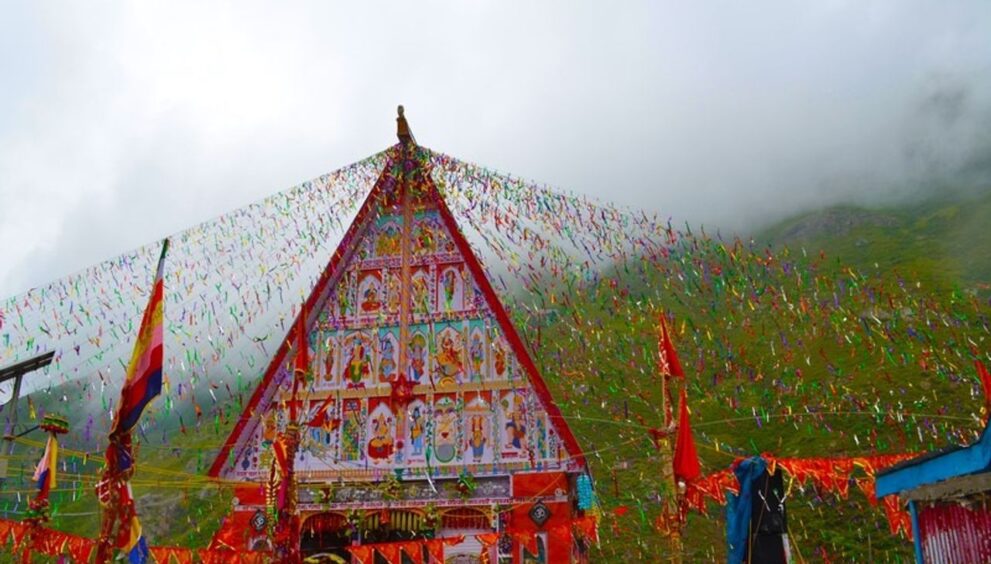

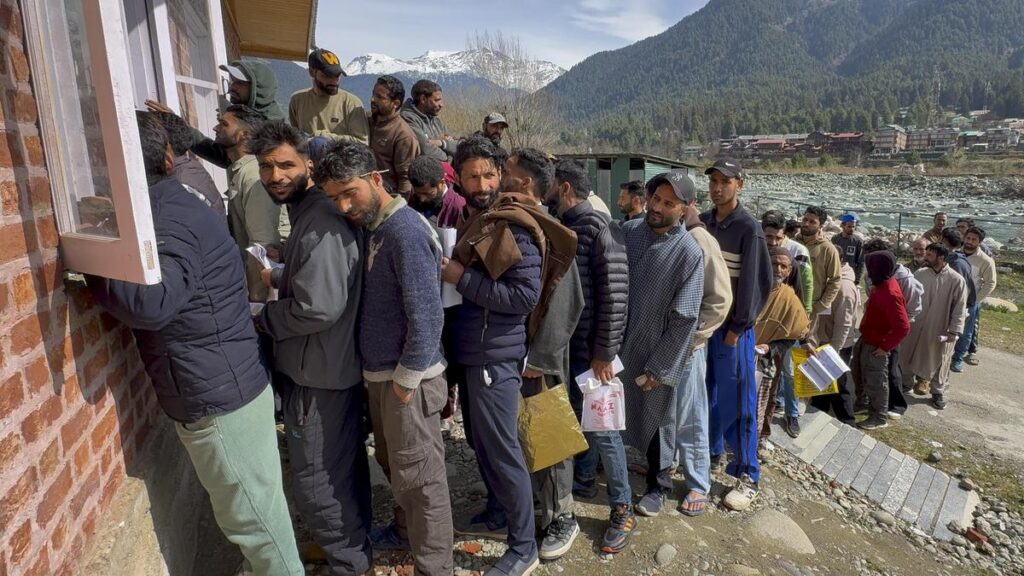
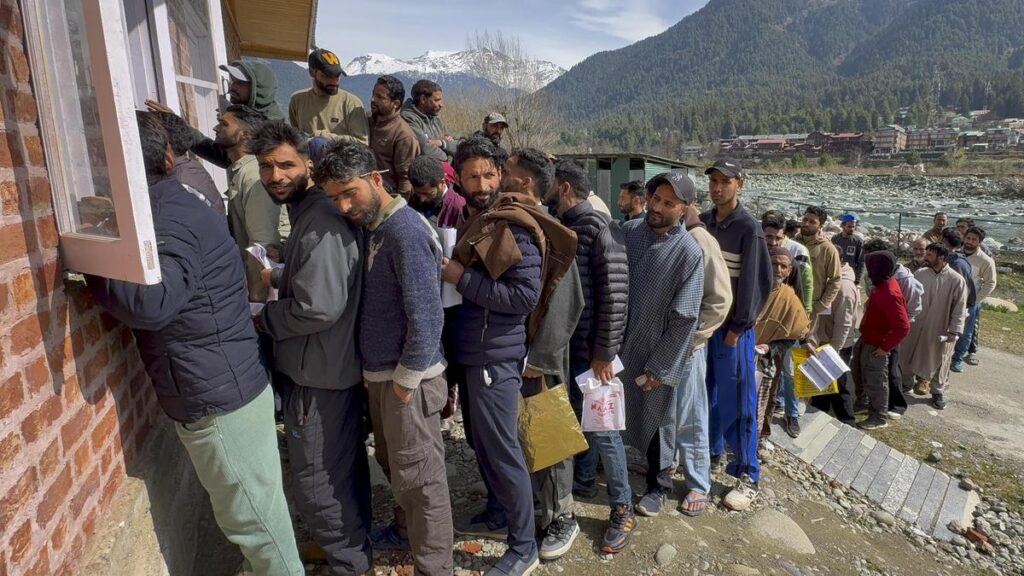
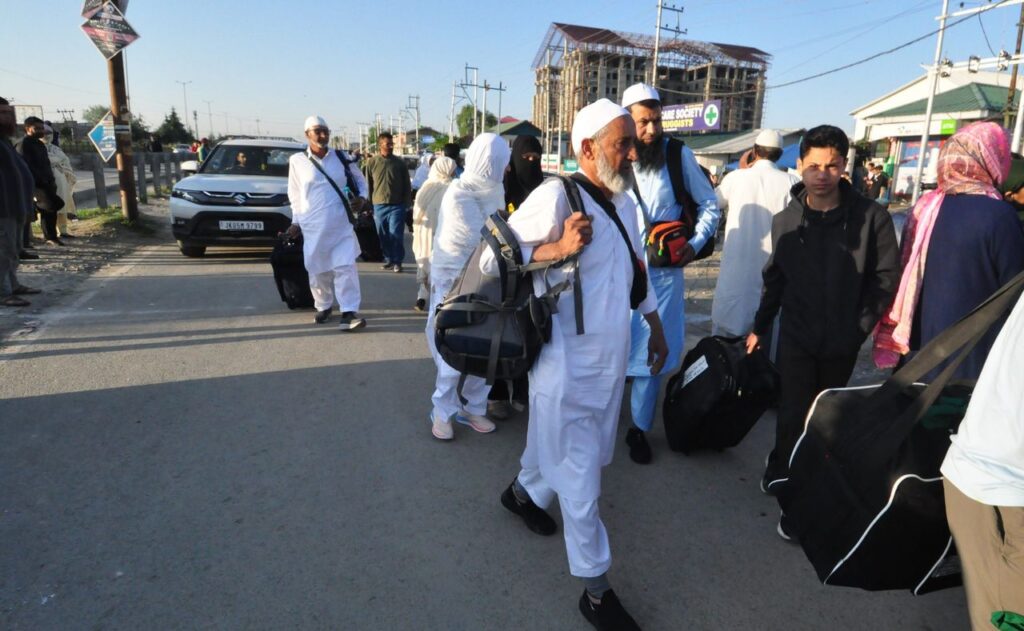
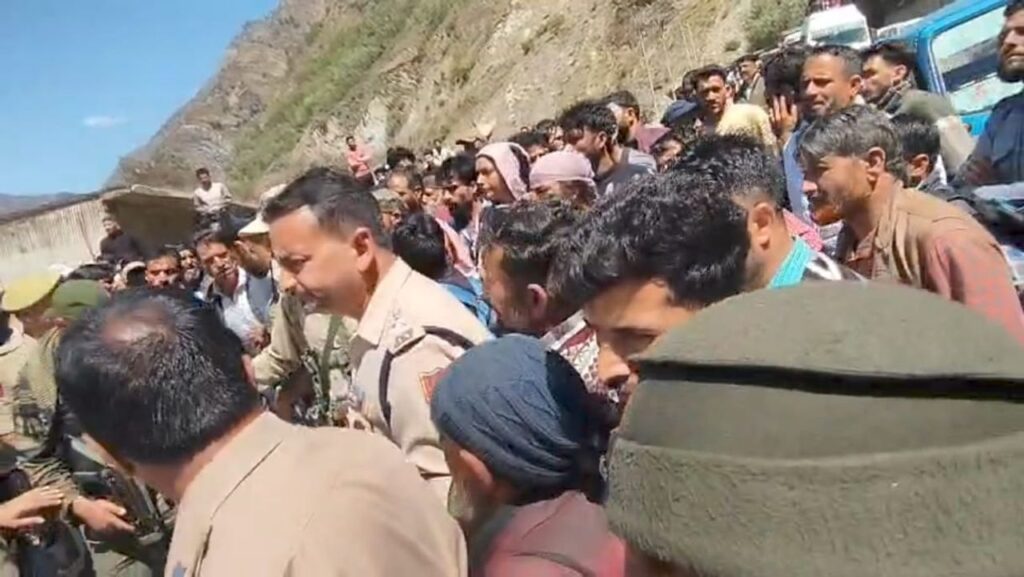
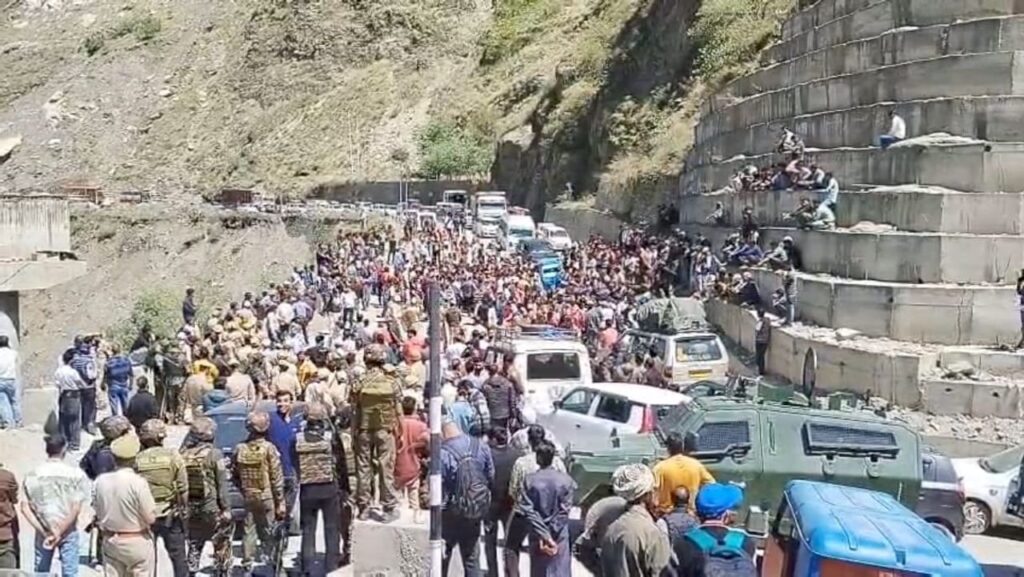
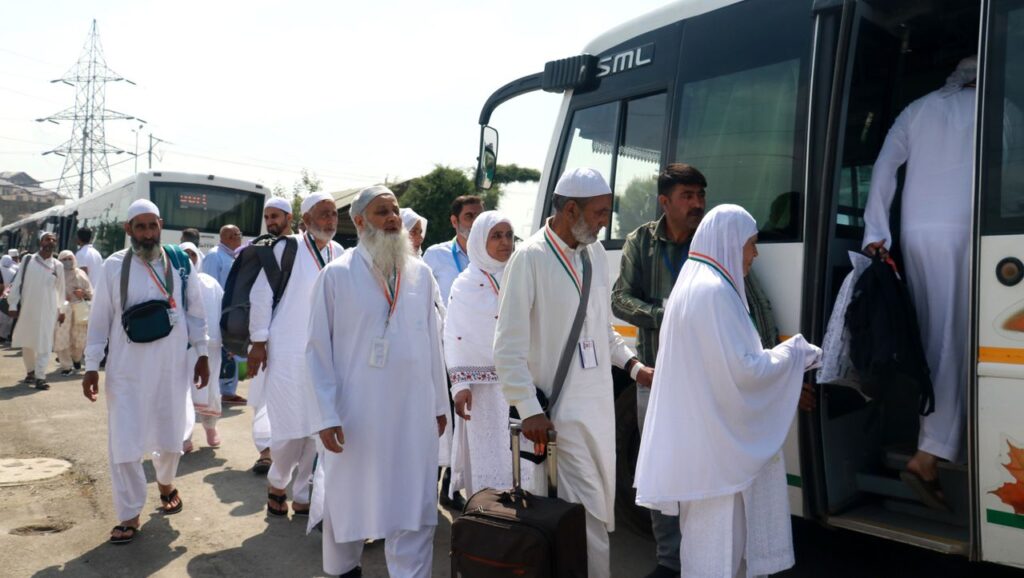
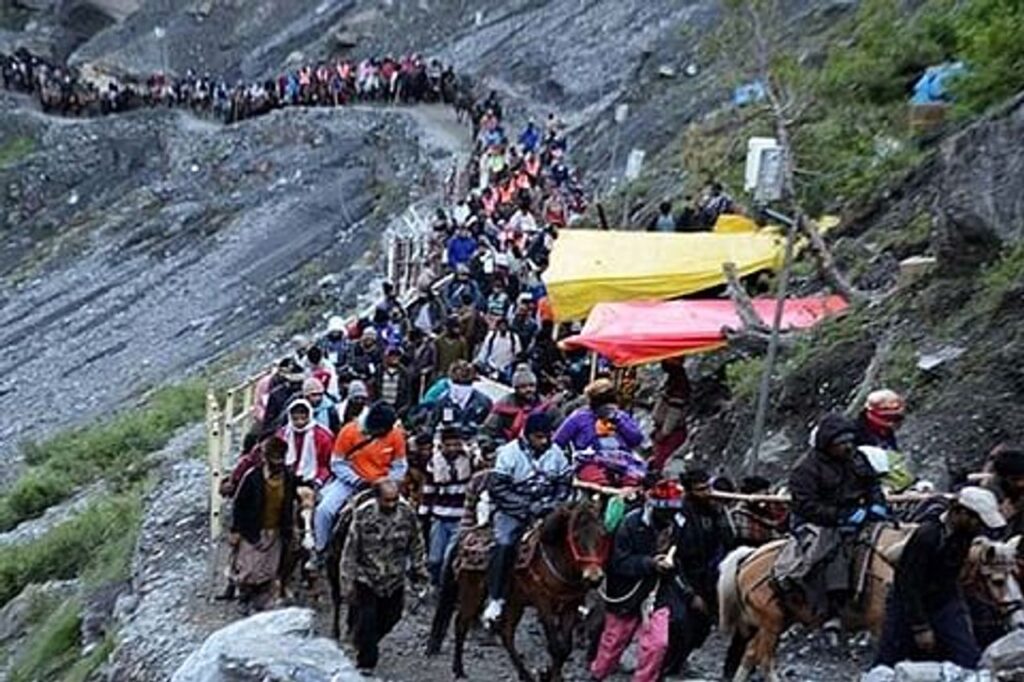
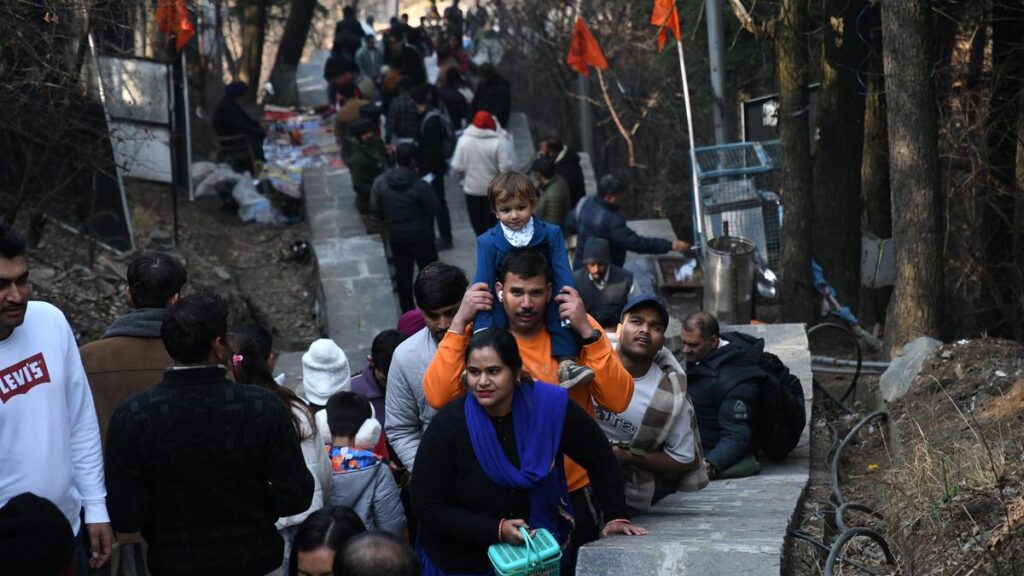
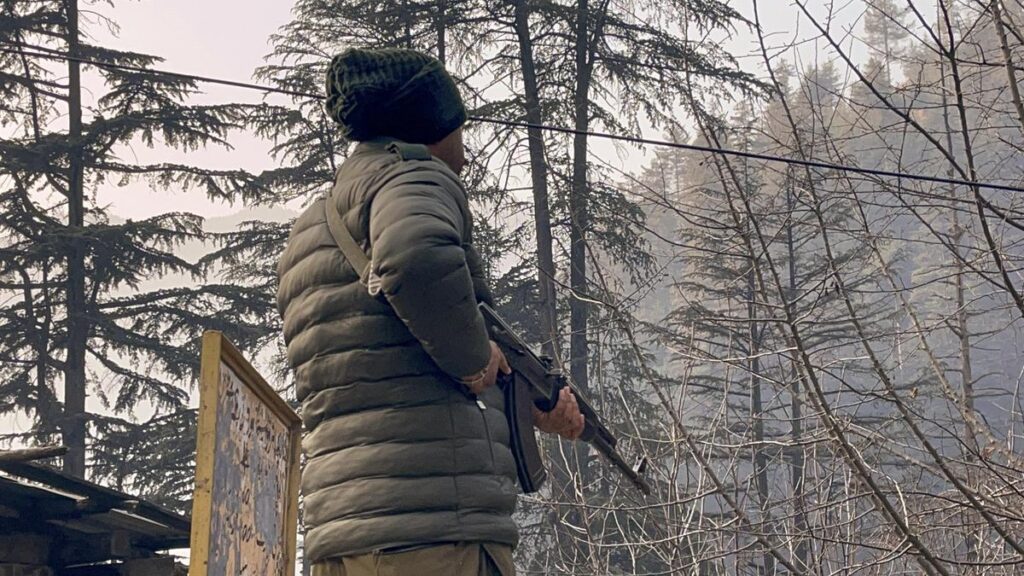
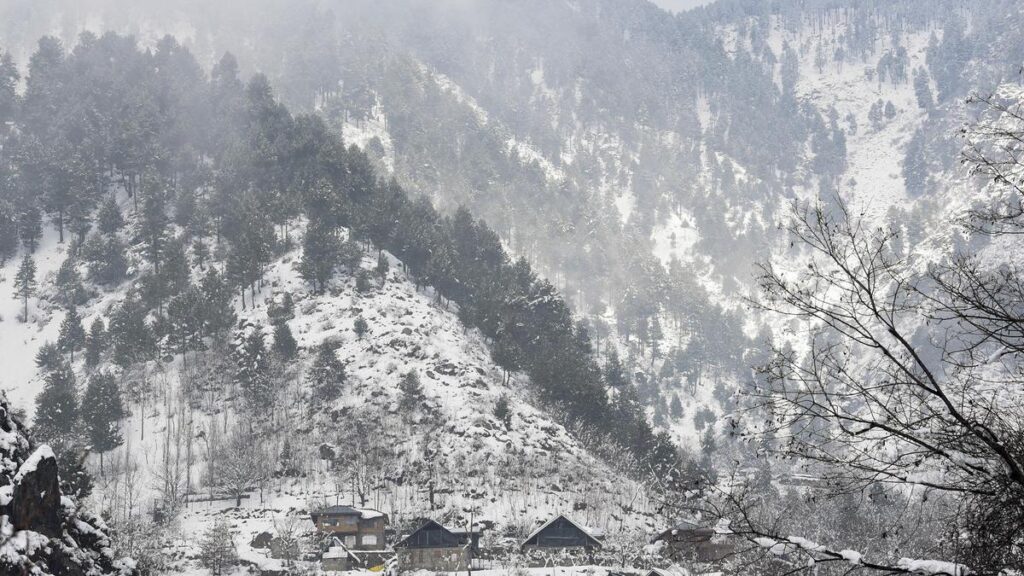
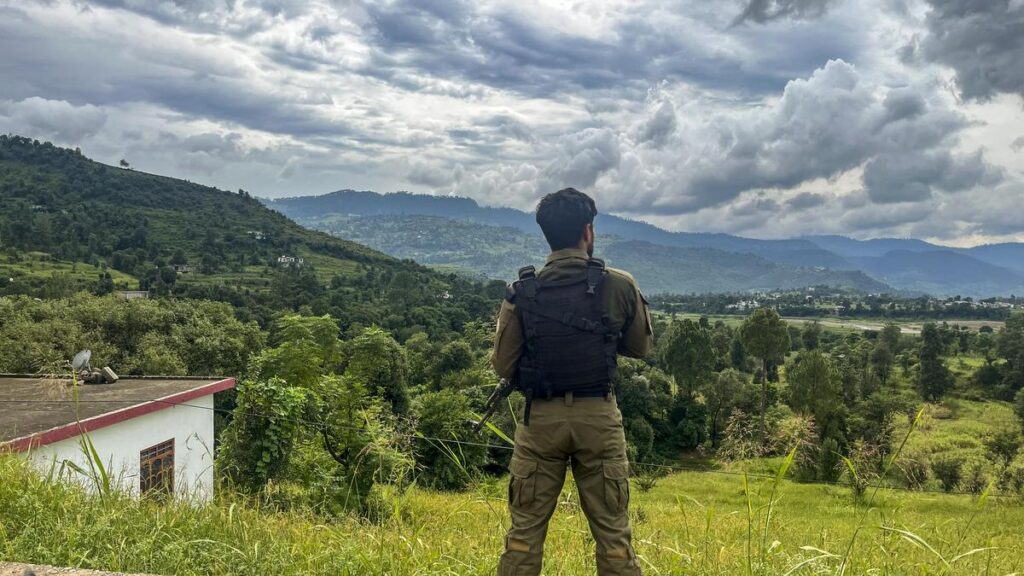
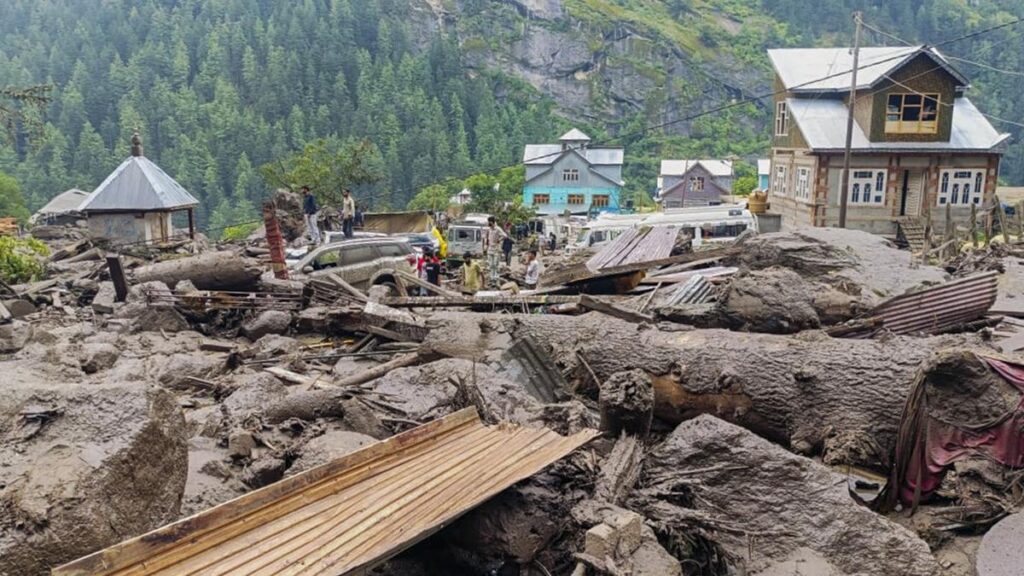
Srinagar, Apr 16: A year after flash floods devastated Chisoti village in Kishtwar’s Paddar region, the Machail Mata Yatra has resumed on a subdued note, with fewer pilgrims halting and many residents still struggling to recover.
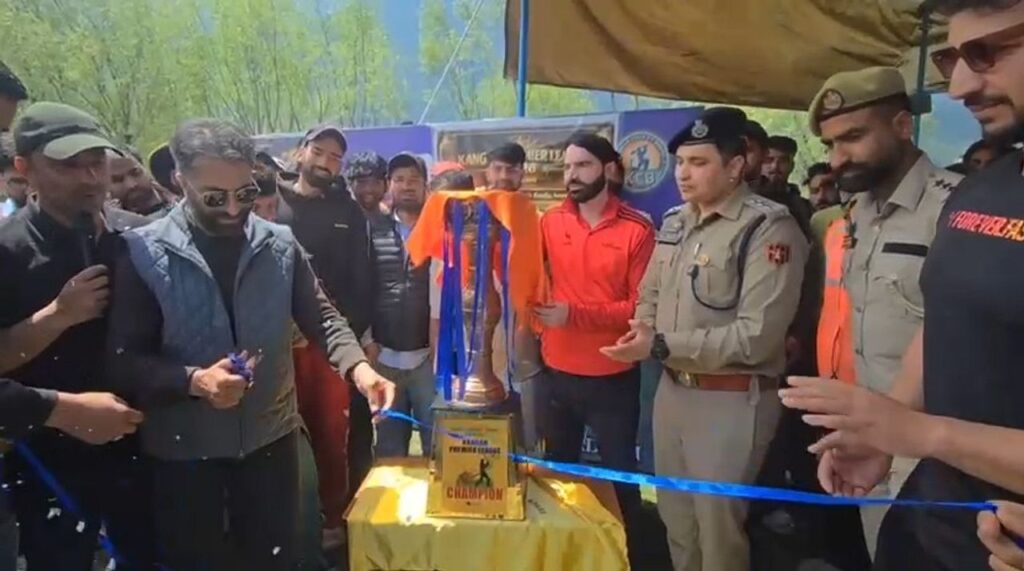
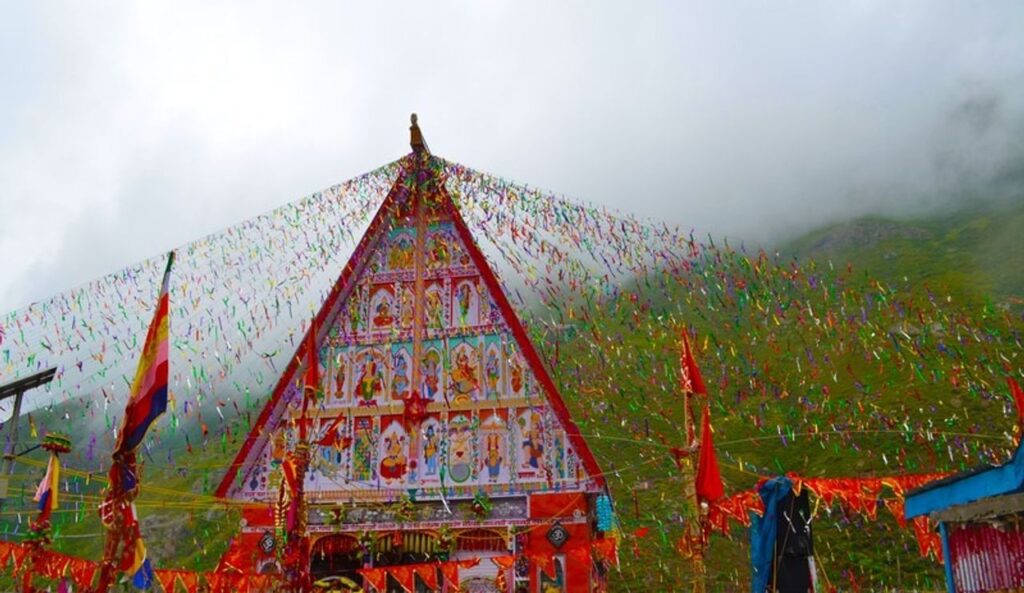
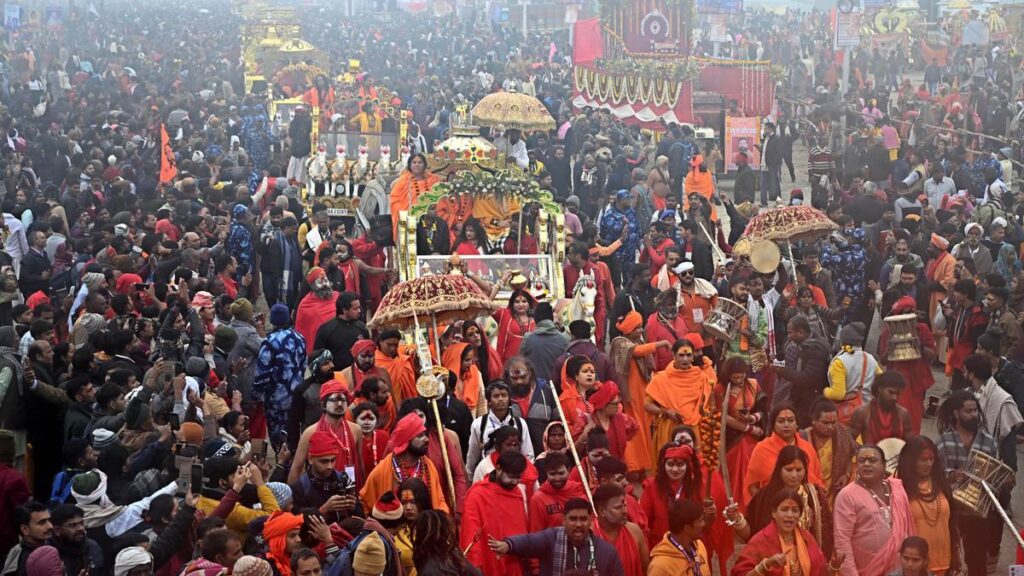
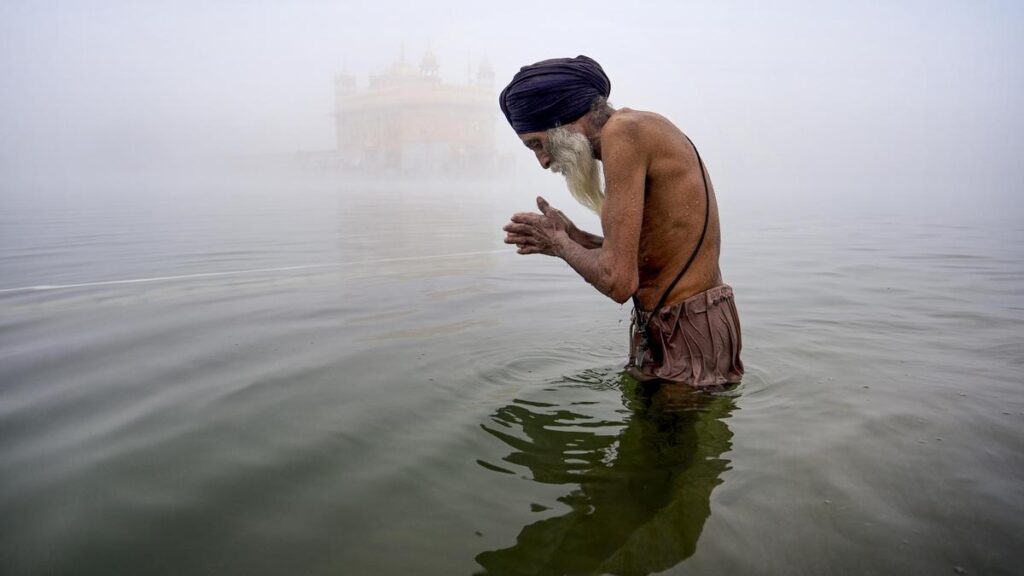
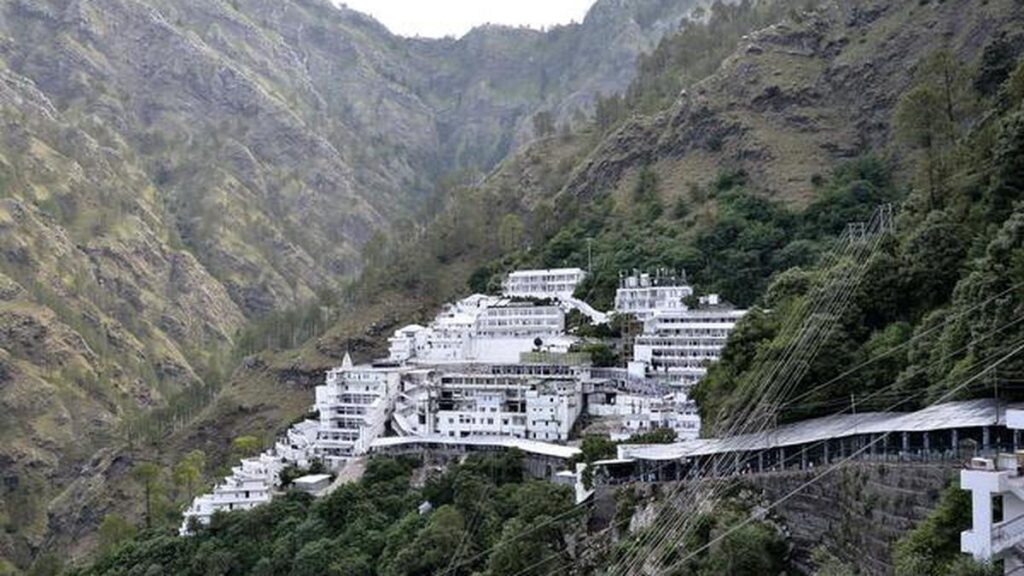
On the opening day, April 14, the idol of Machail Mata was taken in a procession from a local priest’s house to the main temple in Machail village.
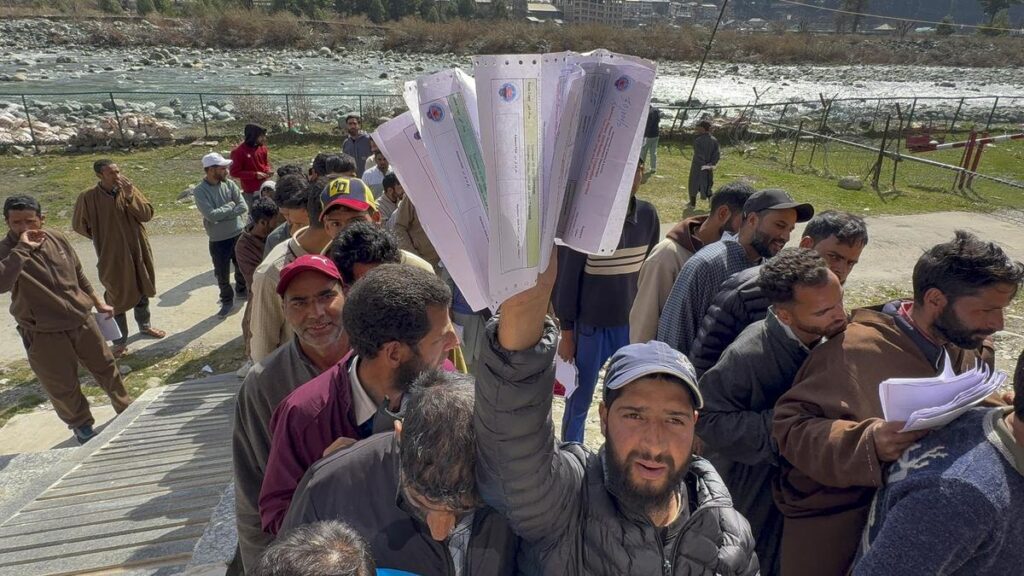
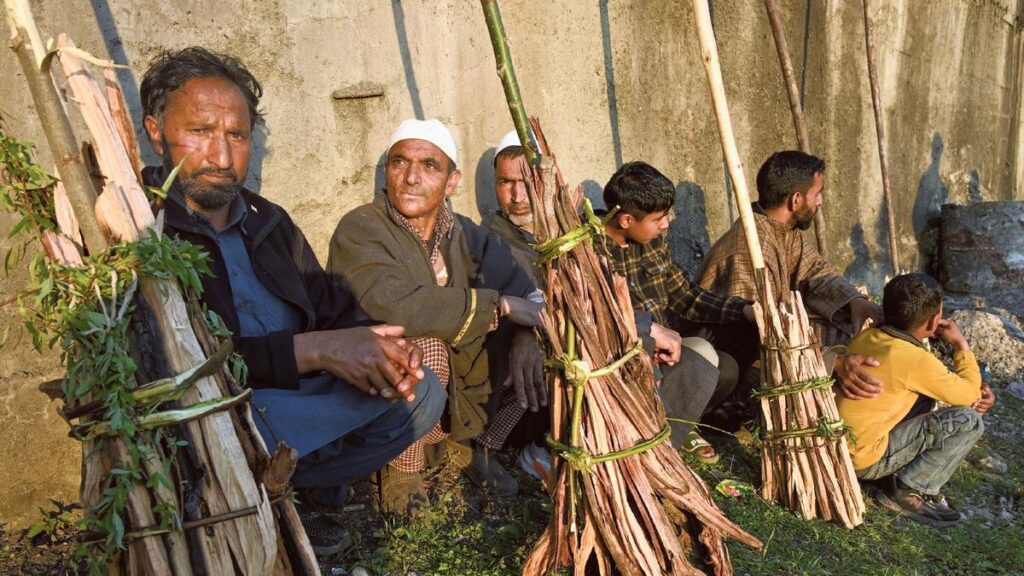
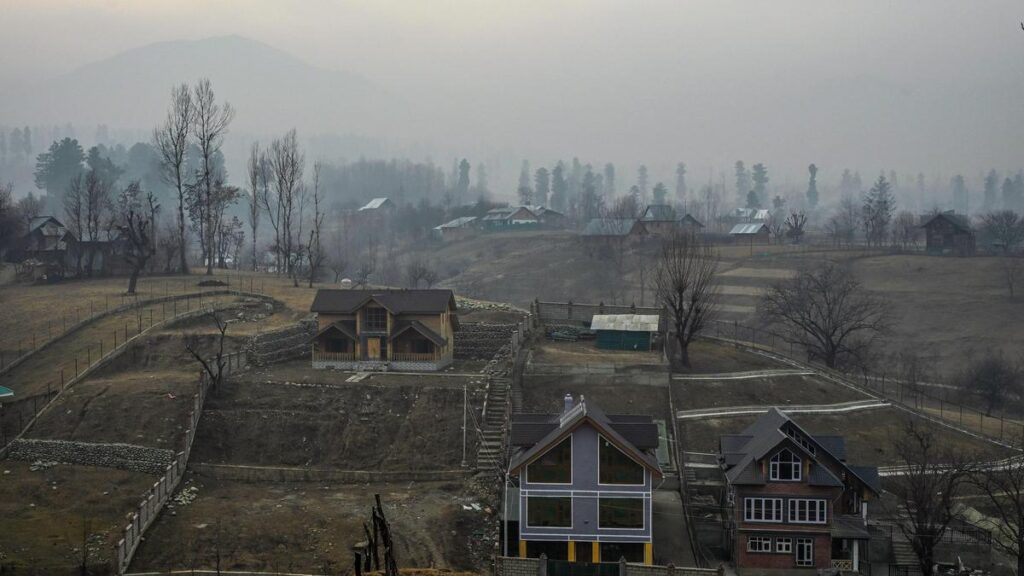
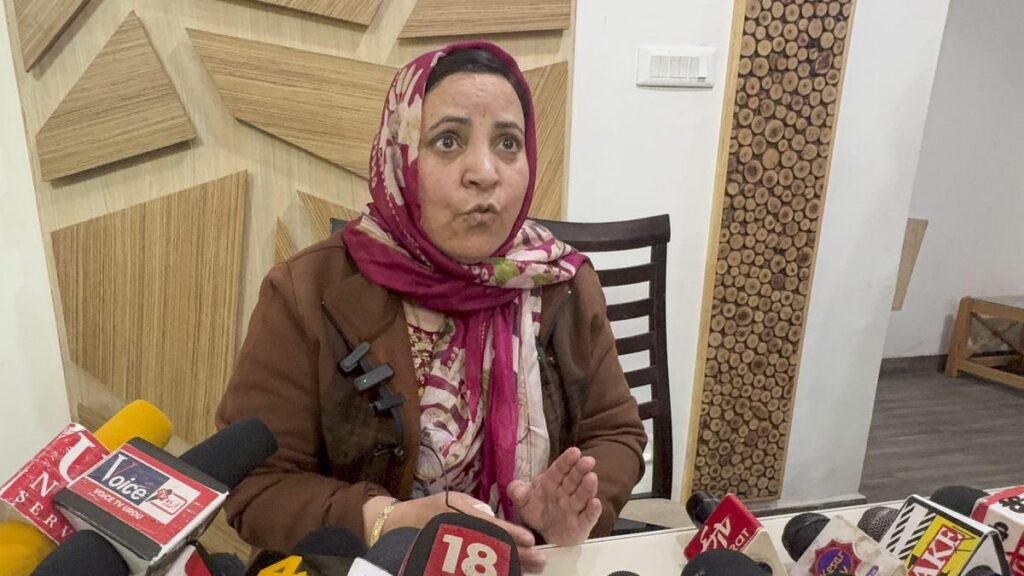
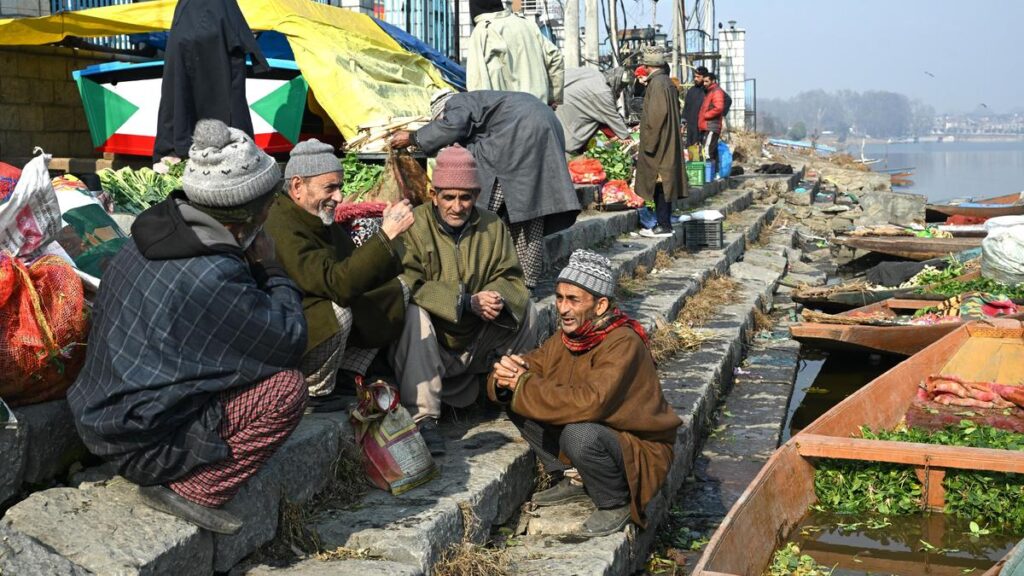
Chisoti, once a key halt on the route, would come alive during the four-month yatra, with families setting up food stalls, tents and transport services. This year, activity remains minimal. “Only two tea and eatery stalls have been set up so far,” Akshay Kumar, a resident told Greater Kashmir over the phone.
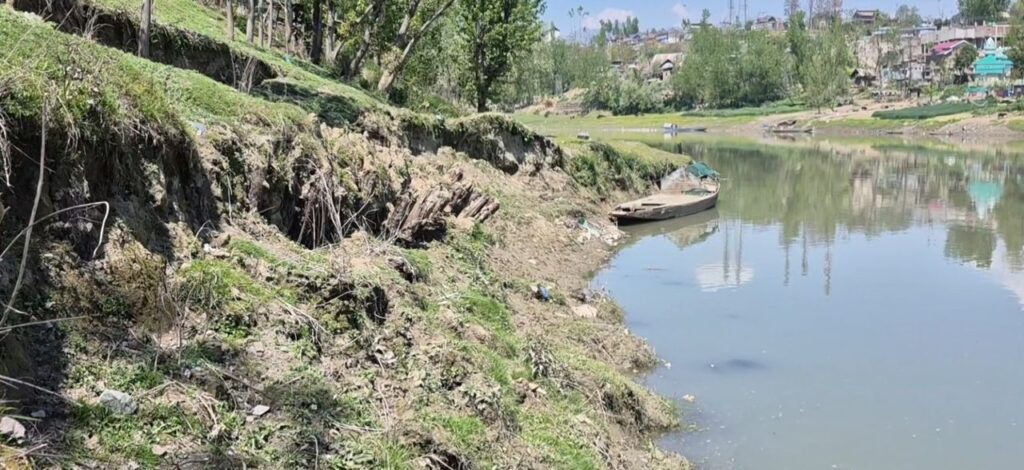
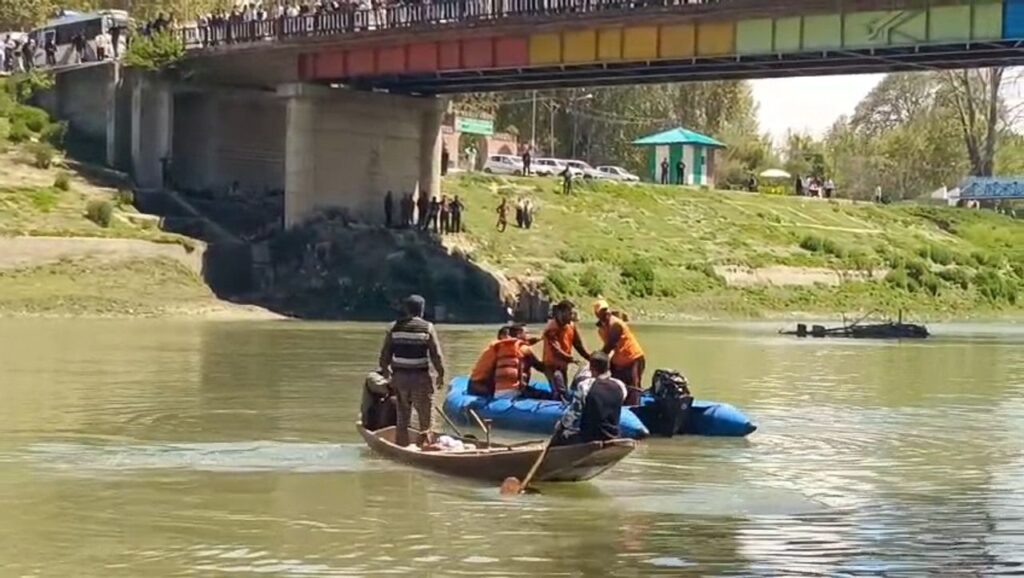
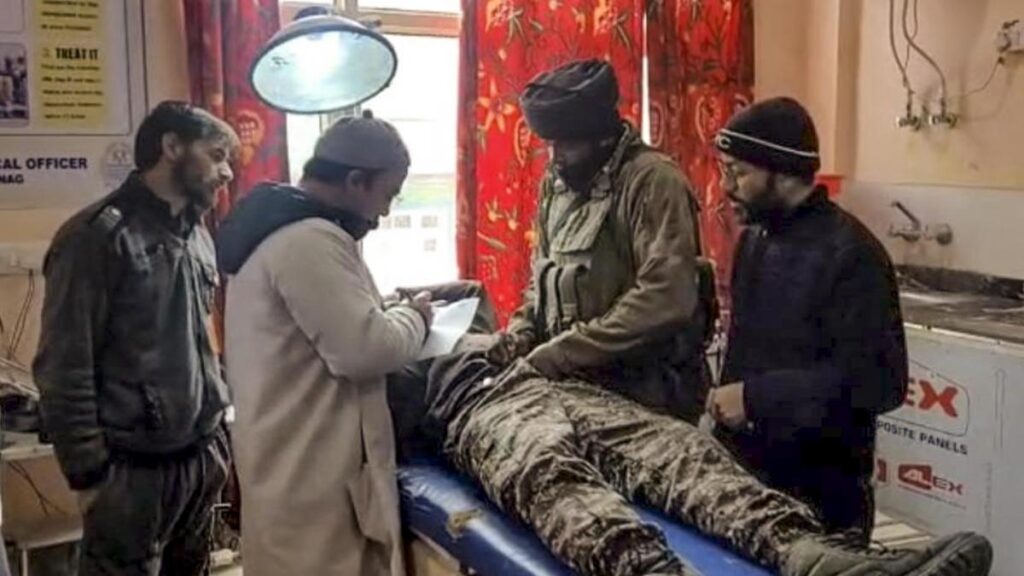
“Pilgrims are not stopping here like before. Most go directly to Machail.” The decline follows the August 14 tragedy, when a cloudburst triggered flash floods that swept through the village, destroying homes, shrines and temporary structures. Over 70 people were killed and dozens went missing, mostly devotees. “Nothing remained -everything was swept away,” Kumar said. Nearly 2,500 pilgrims were present in the area at the time, while thousands more were on the route. Many were near the riverbank when the floods struck. Among those affected is 23-year-old Sawant Singh, who earlier earned a living ferrying pilgrims on his motorcycle to Hamori, the last motorable point before a six-kilometre trek to Machail. On the fateful day, his sister Sangeeta and mother Kamlesha Devi were running their food stall when lightning struck after a cloudburst. Within minutes, floodwaters surged through the area. “They were at the stall. I was at home for lunch,” Singh said. “I survived, but they were swept away.”
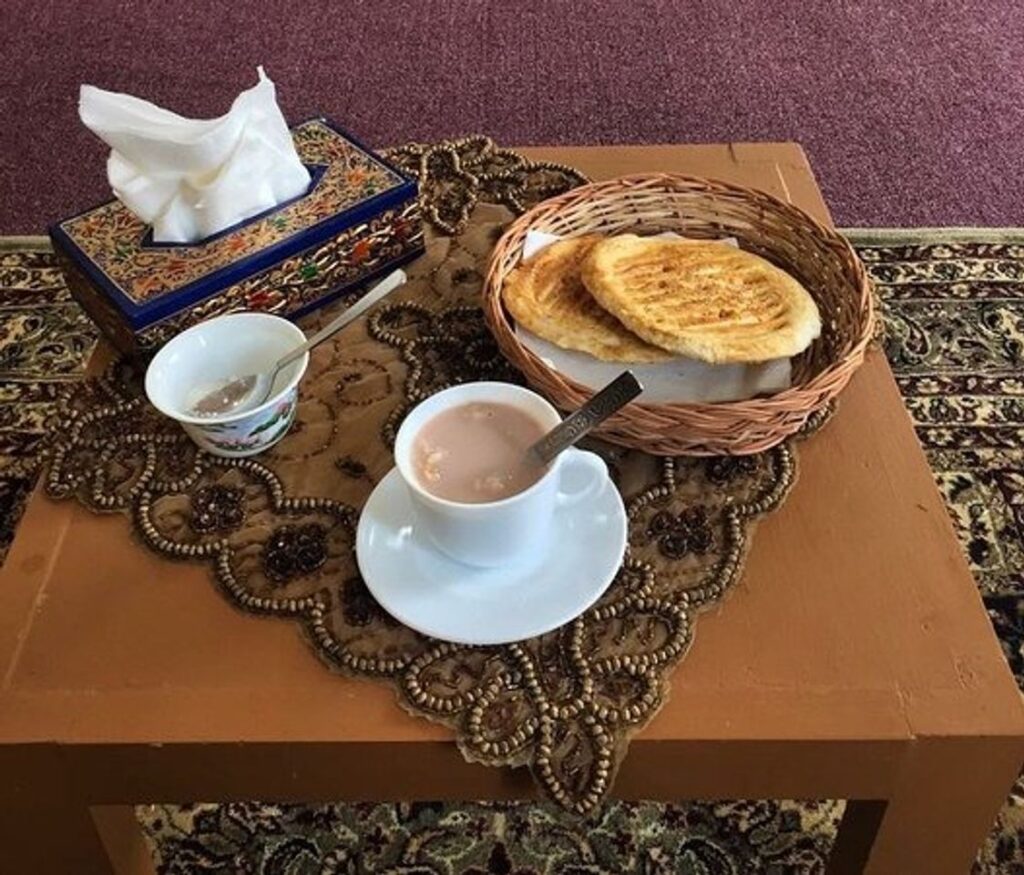
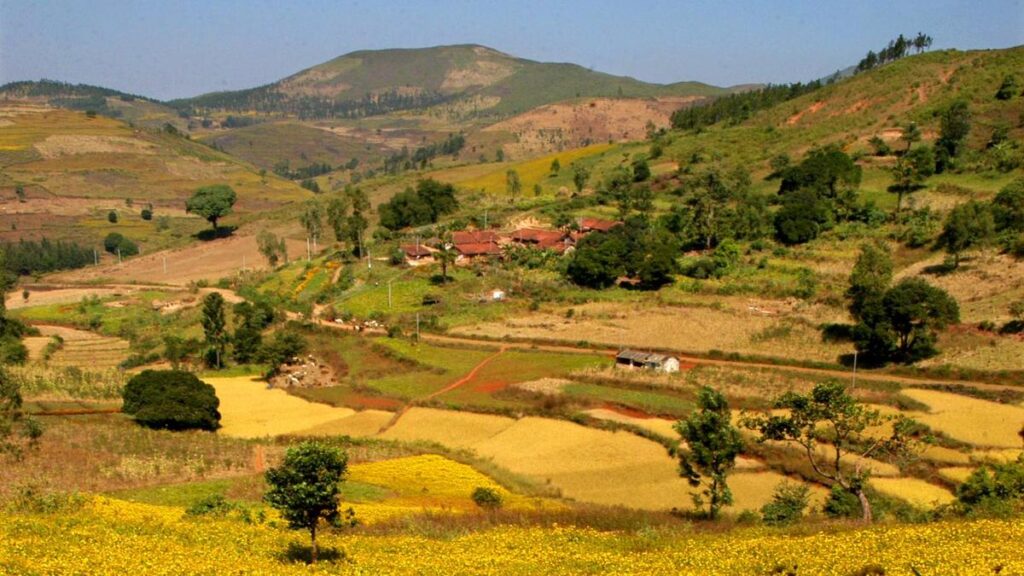
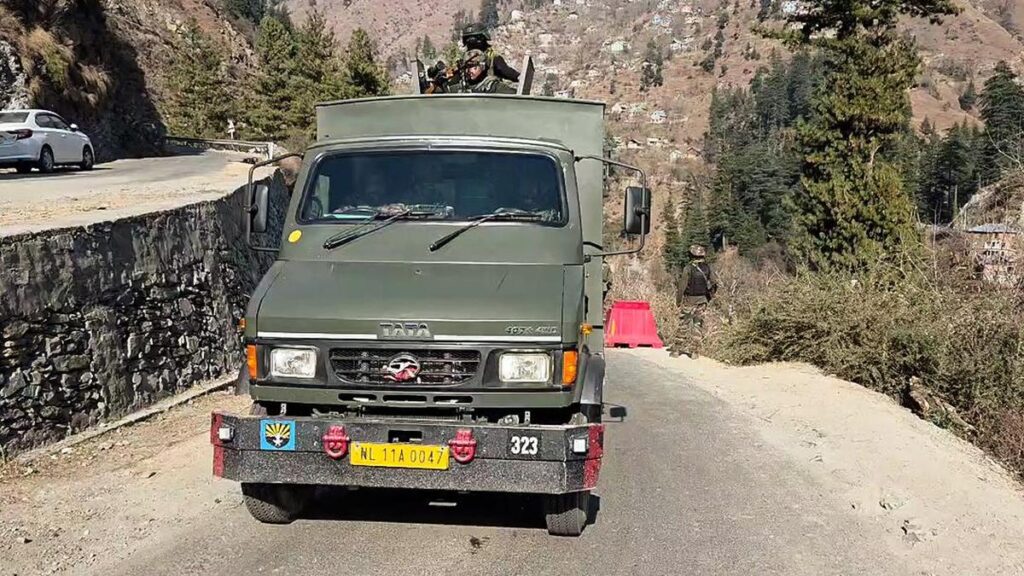
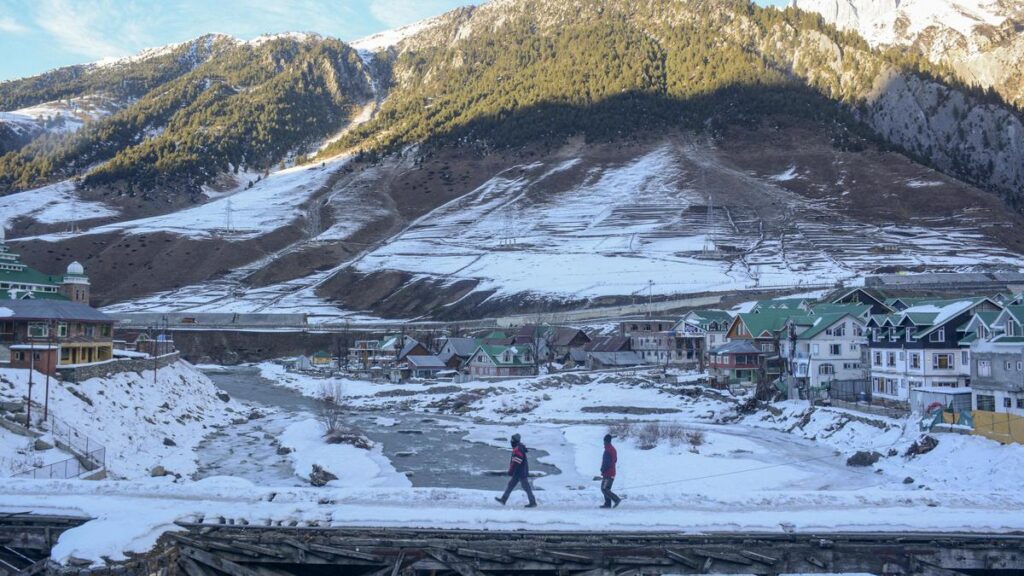
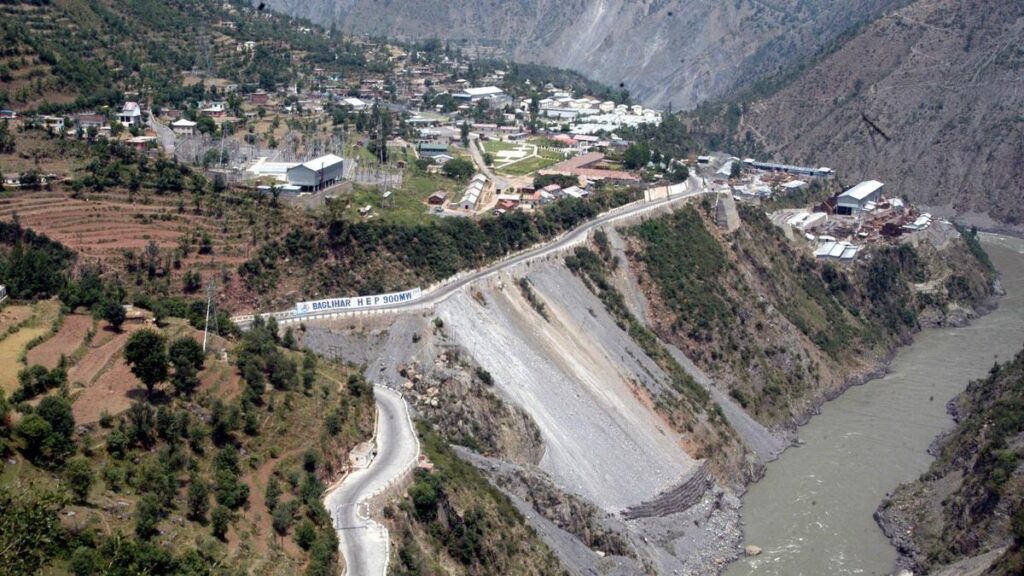
Nineteen houses were damaged, several were completely washed away. Singh’s home was among them, and he is still rebuilding. “We are trying to recover, but the loss is permanent,” he said. “My sister was supposed to get married.” He has not resumed work this season. “Without a proper house, I can neither set up a stall nor ferry pilgrims,” he said. His father, a labourer, survived as he was away at work, though the family lost several relatives. Located about 20 km from Gulabgarh-Paddar town and 85 km from Kishtwar district headquarters, Chisoti lies along the BhotNalla stream, a tributary of the Chenab River. Since 1987, it has depended on the pilgrimage season, which supports around 200 households. The floods disrupted this fragile economy. With maize as the primary crop, residents rely on the yatra for income through food stalls- selling indigenous maize roti with vegetables, Dal, tea, and snacks—and offering tent services and transport. “Those months sustain us for the entire year,” Kumar said. “Without that income, it becomes very difficult.”
The disaster also destroyed three shrines dedicated to Kali Mata and Nag Dev, where pilgrims traditionally offer prayers. Two priests managing these shrines were among those killed. “Reconstruction work has just started,” Kumar said.
Residents expect pilgrim numbers to increase from June, when the yatra typically peaks, and some families are preparing to resume work on a smaller scale. For now, Chisoti remains quiet as rebuilding continues. “The yatra has resumed,” Singh said, “but for us, nothing is the same.”