English







































































































































Delimitation push to increase J&K Lok Sabha seats but not clout


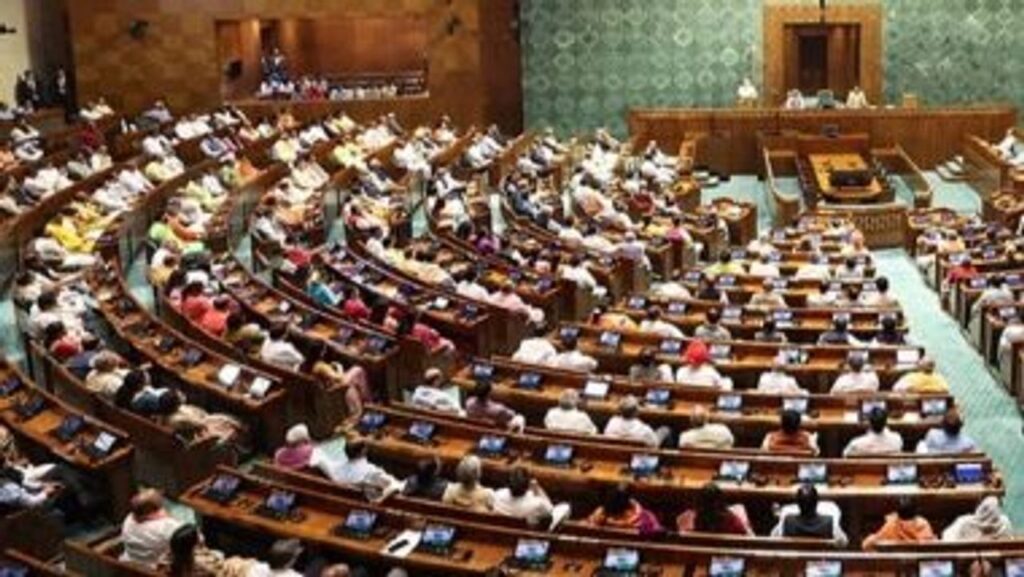
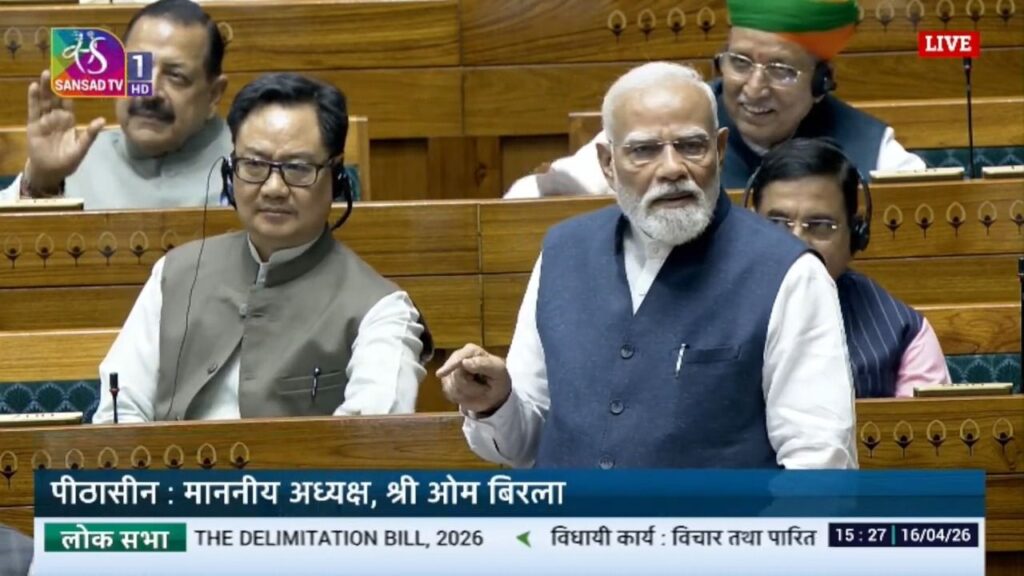
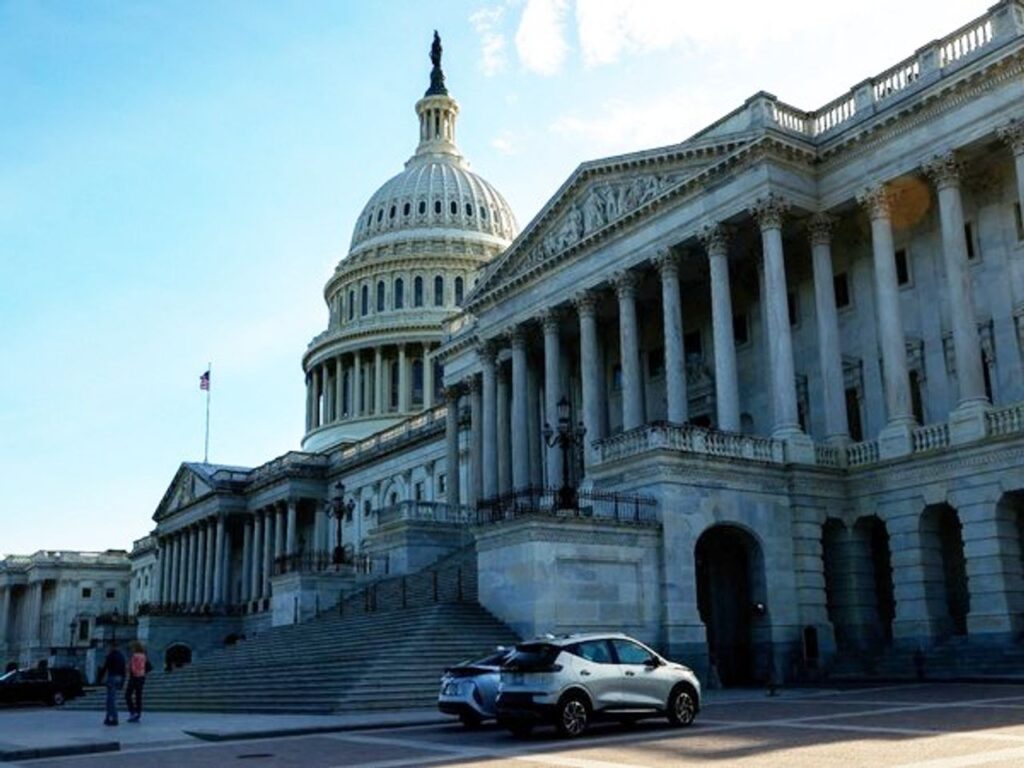
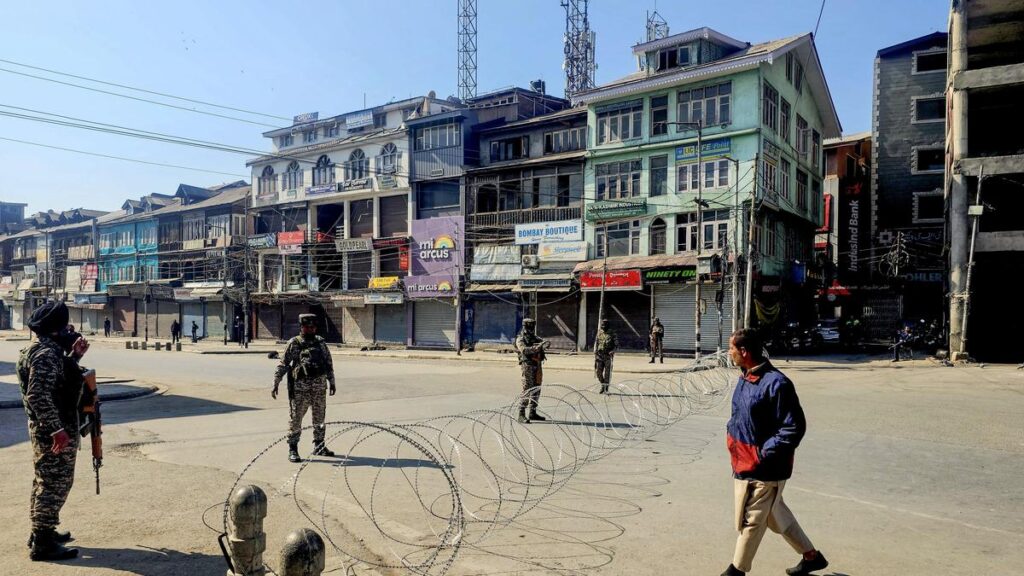
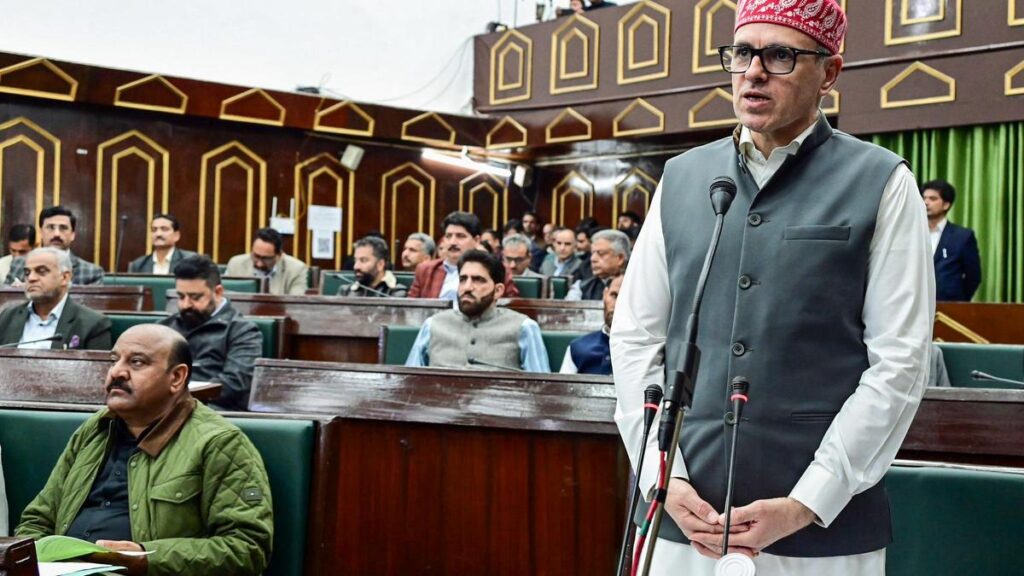
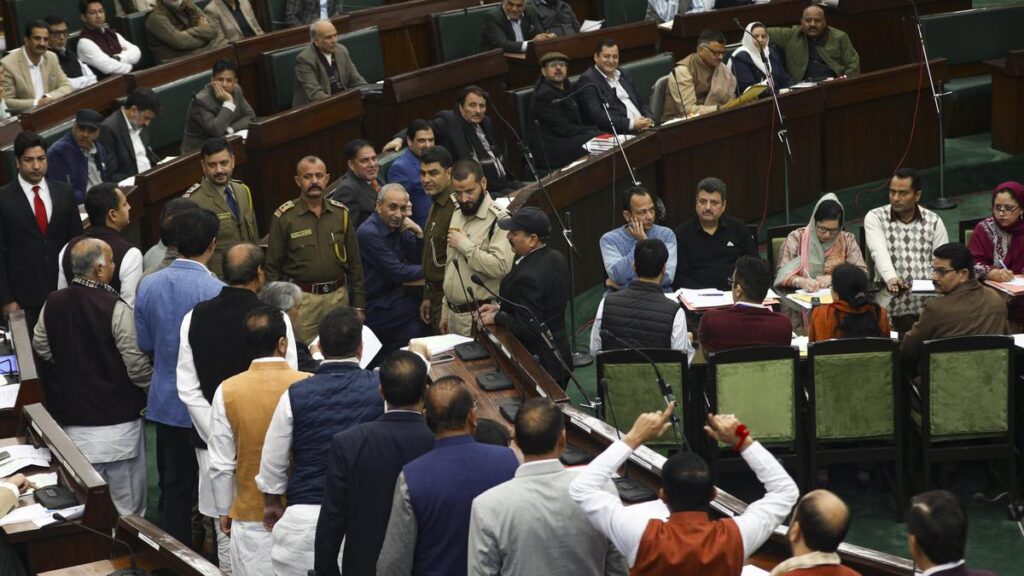
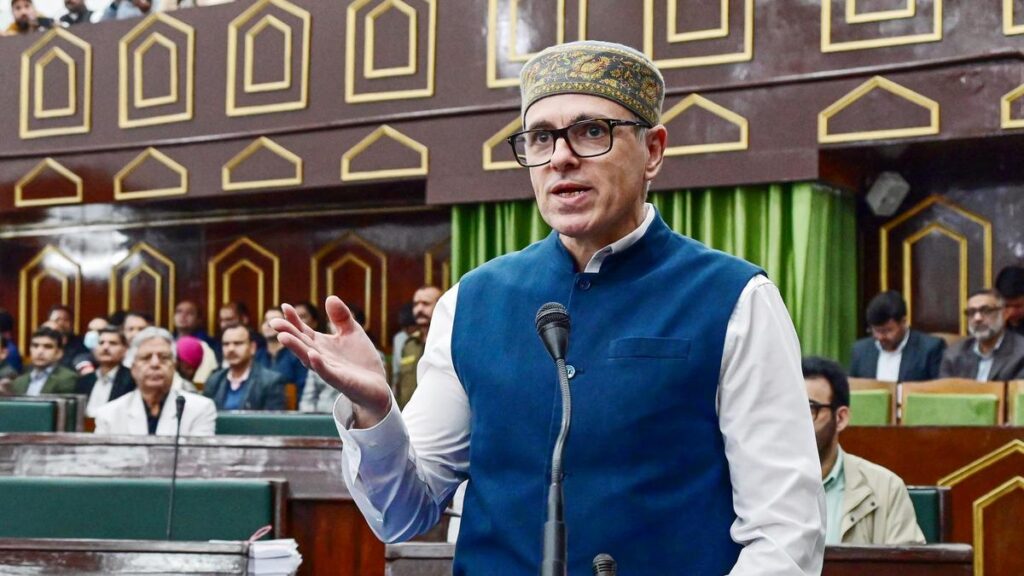
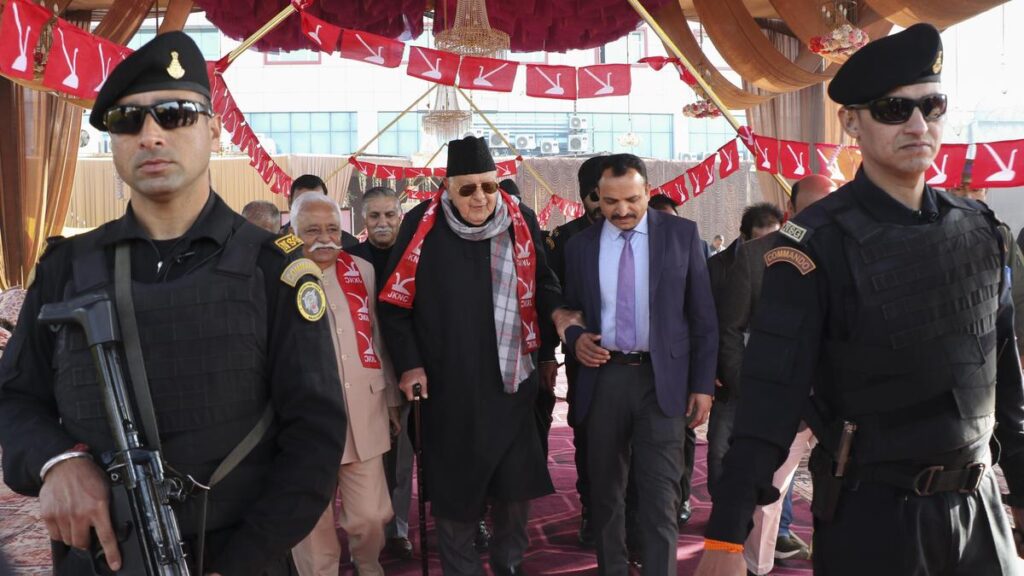
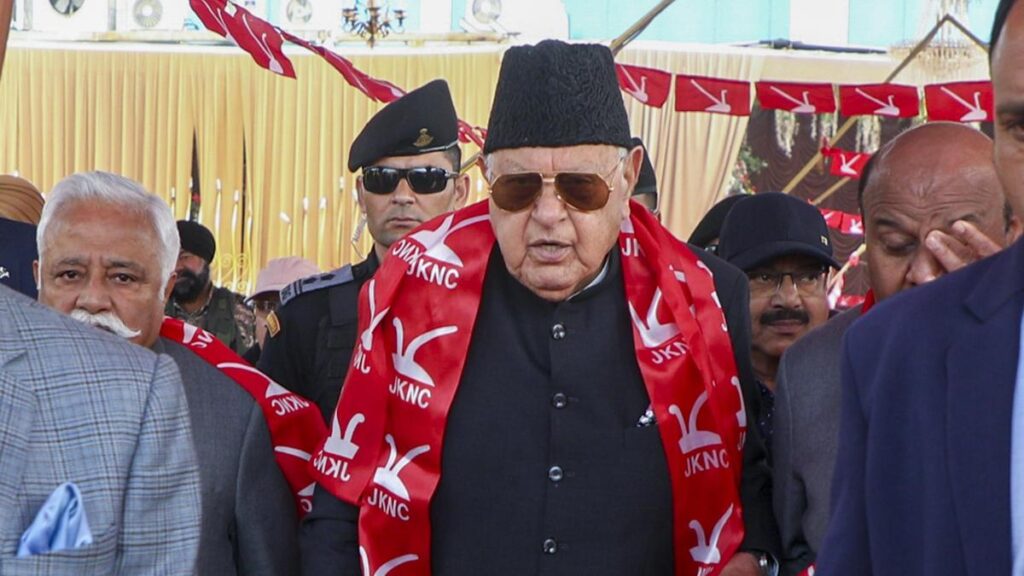
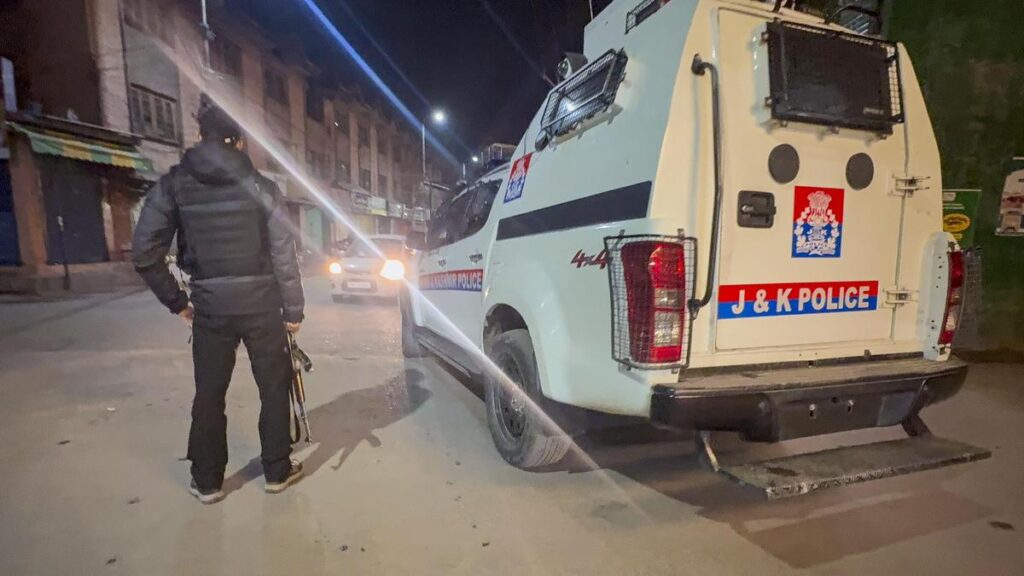
Srinagar, Apr 16: As New Delhi moves ahead with an ambitious plan to redraw India’s parliamentary map, Jammu and Kashmir is poised for a modest increase in its Lok Sabha representation but without a corresponding rise in its overall share of national political influence.
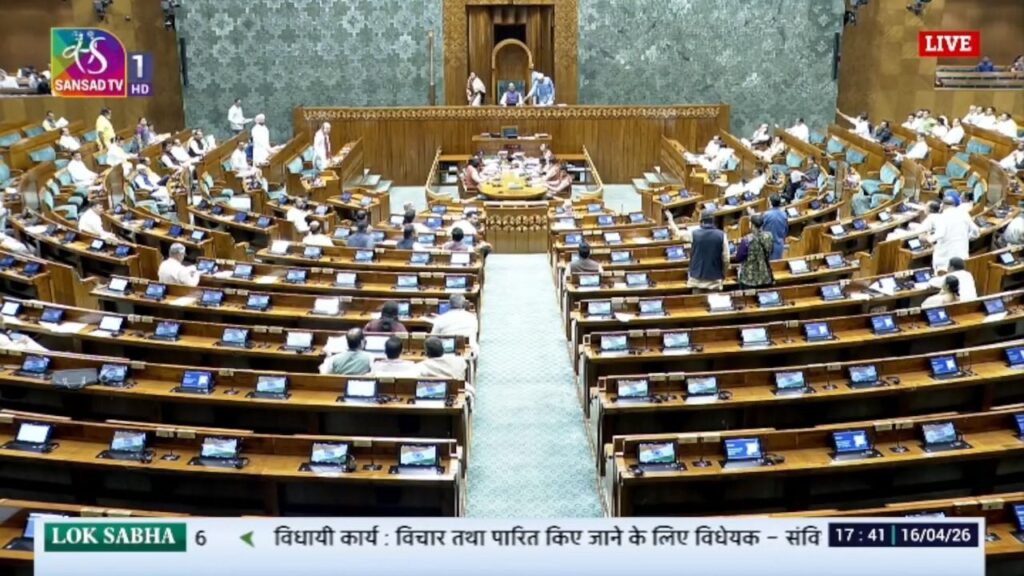
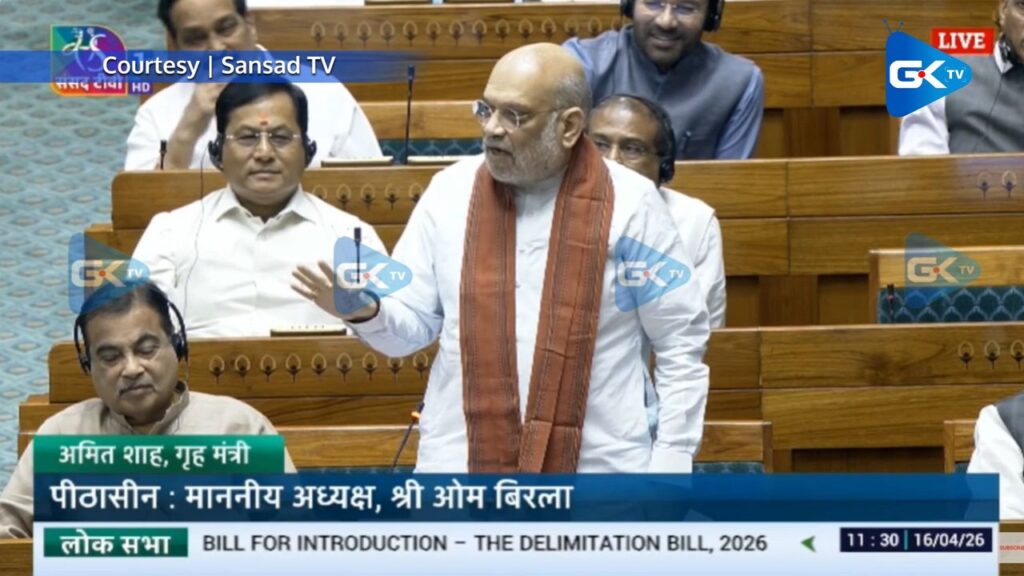
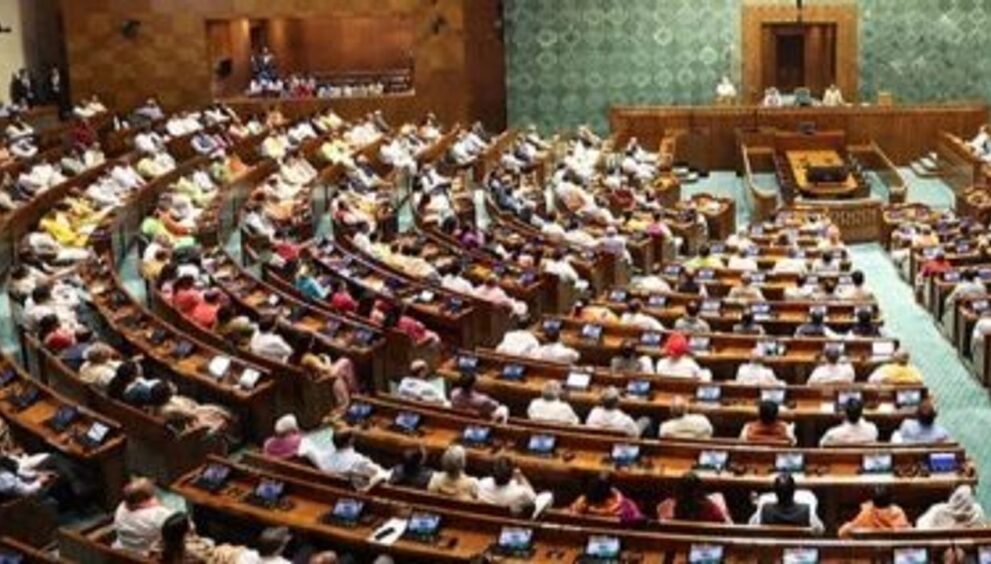
The proposed overhaul, anchored in the Constitution (131st Amendment) Bill, 2026, and an accompanying Delimitation exercise, seeks to expand the Lok Sabha from the current 543 seats to anywhere between 815 and 850 seats.
Officials said that the move is intended to correct decades-old imbalances in representation after the freeze on delimitation that has been in place since the 1970s.
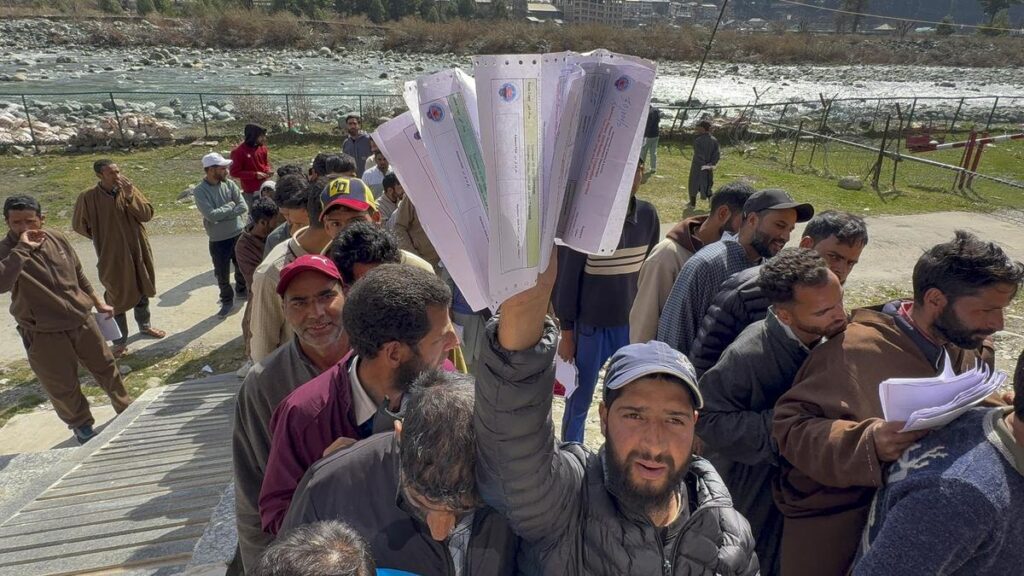
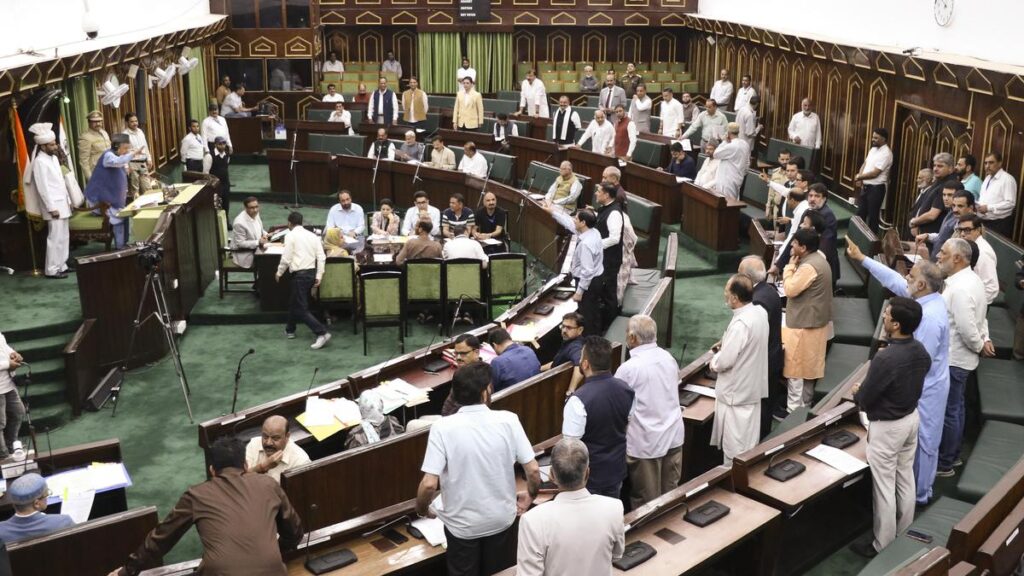
At present, J&K sends five members to the Lok Sabha and four to the Rajya Sabha, giving it less than 1 percent share in the parliament.
Based on emerging policy signals and baseline projections, J&K is expected to see its Lok Sabha seats increase to around 7 or 8, marking a roughly 40 to 60 percent rise in absolute numbers.
This aligns with the broader national trend, where most states and Union Territories are projected to witness an average increase of about 50 percent in their parliamentary representation.
However, experts caution that this increase, while numerically significant, must be viewed in the context of a much larger House.
“If the Lok Sabha expands to around 850 seats, even an increase to 7 or 8 seats will leave Jammu and Kashmir’s proportional share largely unchanged,” a constitutional analyst said. “In fact, it could marginally decline.”
The extent of seat increase is closely tied to population, which remains the primary basis for delimitation.
Larger states like Uttar Pradesh and Bihar are expected to gain disproportionately more seats due to their population size, while smaller regions like J&K will see comparatively modest additions.
With a population estimated historically between 1.2 and 1.4 crore, J&K does not carry the demographic weight needed for a major jump in representation.
“The arithmetic is simple: big states gain more because they have more people,” the constitutional analyst said. “J&K will gain, but not dramatically.”
Another limiting factor for Jammu and Kashmir is its current status as a Union Territory.
Under the proposed framework, the total number of Lok Sabha seats allocated to all UTs is expected to be capped at around 35.
This means J&K will have to share this pool with other UTs like Delhi and Puducherry, further constraining its potential increase.
“Had J&K remained a full-fledged state, the calculations might have been slightly different,” the political analyst said.
Taking all factors into account, projections place J&K’s future Lok Sabha strength within a narrow band of conservative estimate of 7 seats, moderate estimate of 7 to 9 seats and upper bound scenario of 8 to 10 seats.
However, most analysts consider 7 to 8 seats the most realistic outcome under current proposals.
The key takeaway from the proposed changes lies in the distinction between absolute and relative representation.
While J&K will gain additional MPs, its share of the total Lok Sabha pie is unlikely to increase.
This is because the overall expansion disproportionately benefits larger states.
For instance, projections suggest that Uttar Pradesh alone could gain dozens of additional seats, significantly altering the balance of power within Parliament.
“In percentage terms, J&K’s voice may not get louder, even if it gets more MPs,” an observer said.
The national exercise could also trigger a fresh round of delimitation within J&K itself, potentially redrawing parliamentary constituencies across the region.
Such an exercise could have internal political implications, including shifts in representation between Kashmir and Jammu.
“This is not just about numbers in Delhi,” a New Delhi-based political analyst said. “It could reshape electoral dynamics within J&K as well.”
The proposed expansion brings both opportunities and challenges for J&K.
The potential gains include improved constituency representation, greater absolute presence in Parliament, and scope for more localised political articulation.
However, the concerns include reduced relative influence at the national level, overshadowing by larger states, and possible internal political realignments.
The bottom line is that while India prepares for its most significant parliamentary restructuring in decades, J&K stands to gain in numbers, but not necessarily in clout.
From five seats today, J&K is likely to move to around seven or eight Lok Sabha seats in the coming years.
Yet, in a House that could soon approach 850 members, that increase may do little to alter its overall standing in the country’s political landscape.
According to analysts, the real impact would depend not just on how many seats J&K gains, but how effectively those seats are used.