English































































































































































































































































































































































































































































































































































Why ICE and EV SUVs Will Coexist Longer Than Expected

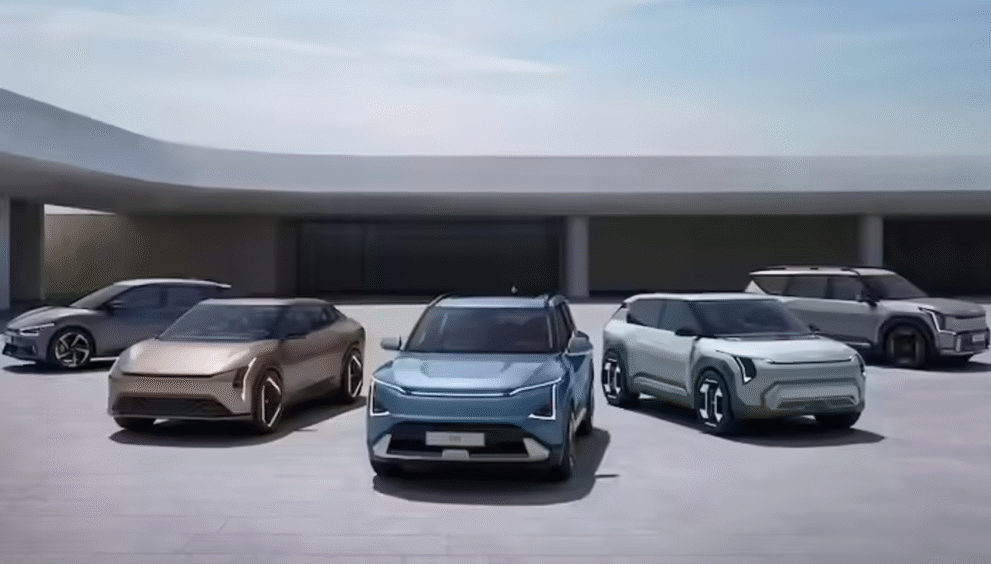

The automotive industry is clearly moving toward electrification. Governments are promoting electric vehicles (EVs), automakers are investing heavily in new platforms, and buyers are becoming more aware of the long-term sustainability benefits. Yet, despite this momentum, internal combustion engine (ICE) SUVs are far from disappearing.
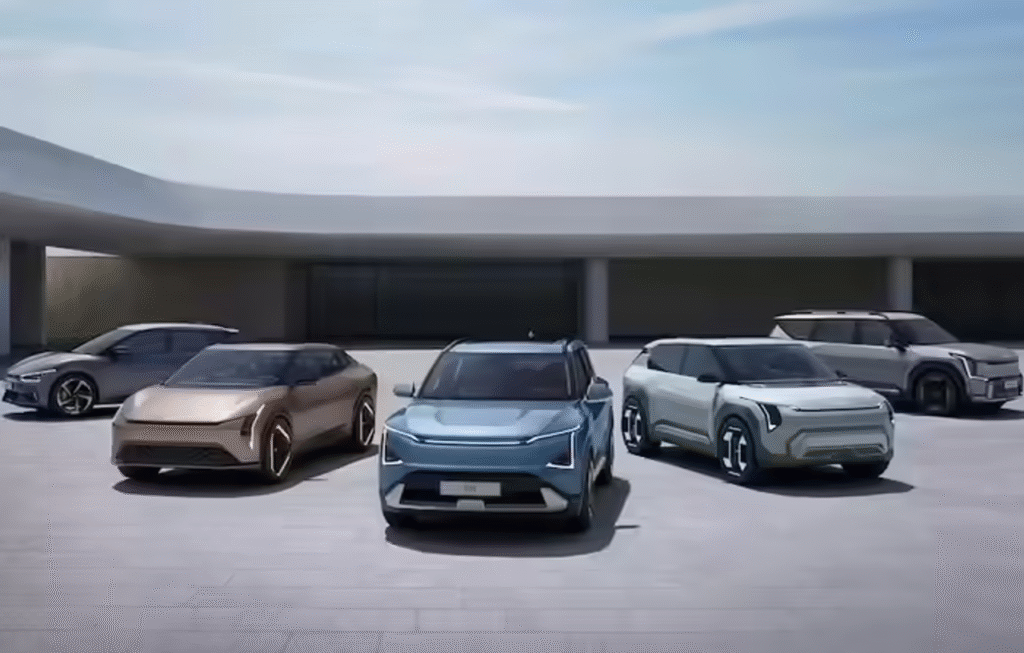
In fact, vehicles like the Mahindra XUV 3XO and the Maruti Suzuki e Vitara show why ICE and EV SUVs are likely to coexist for much longer than expected.
The Strength of ICE SUVs
ICE SUVs continue to offer a level of convenience that is hard to replace.
Cars like the Mahindra XUV 3XO are designed for everyday versatility. With multiple engine options, strong torque delivery, and features tailored for both city and highway use, they provide a well-rounded ownership experience.
More importantly, ICE vehicles benefit from:
- A vast fuel station network
- Quick refuelling times
- Established service infrastructure
This makes them highly practical for a wide range of users, especially in regions where EV infrastructure is still developing.
The Rapid Rise of EV SUVs
On the other hand, EV SUVs are redefining what modern mobility looks like.
The Maruti Suzuki e Vitara represents this new direction. Built on a dedicated electric platform, it focuses on efficiency, advanced technology, and a futuristic design philosophy.
Key advantages of EVs include:
- Lower running costs
- Silent and smooth driving
- Advanced digital features and connectivity
These factors make EVs increasingly attractive, especially for urban buyers.
Infrastructure: The Key Limiting Factor
One of the biggest reasons ICE vehicles will continue to exist is infrastructure.
While EV charging networks are expanding, they are not yet as widespread or convenient as fuel stations. Even though the e Vitara is supported by a growing charging ecosystem with thousands of charging points and route-planning features, accessibility can still vary by location.
For many buyers, especially those who travel long distances, this remains a critical concern.
Different Use Cases, Different Strengths
ICE and EV SUVs serve different purposes.
ICE SUVs like the XUV 3XO are ideal for:
- Long-distance travel
- Unpredictable driving patterns
- Users who prefer flexibility
EV SUVs like the e Vitara are better suited for:
- Daily city commutes
- Predictable driving distances
- Users with access to home or workplace charging
Because these use cases differ, both types of vehicles continue to remain relevant.
Cost Dynamics: Present vs Future
Cost is another reason for this coexistence.
ICE vehicles:
- Lower upfront cost
- Higher fuel and maintenance expenses over time
EVs:
- Higher initial investment
- Lower running and maintenance costs
For many buyers, the decision depends on how long they plan to keep the car and how frequently they use it.
This difference in cost structure ensures that both ICE and EV SUVs appeal to different buyer segments.
Technology Evolution vs Proven Systems
EVs are often seen as the future because of their advanced technology.
The e Vitara integrates features such as connected systems, smart charging, and digital interfaces, making it more software-driven .
However, ICE vehicles benefit from decades of refinement. Systems in cars like the XUV 3XO are proven, reliable, and widely understood by both users and service networks.
This contrast between innovation and reliability is another reason why both will continue to coexist.
Buyer Mindset and Transition Speed
The transition to EVs is not just about technology—it is also about mindset.
Some buyers are:
- Early adopters who embrace new technology
- Willing to adapt to charging routines
Others prefer:
- Familiar systems
- Minimal change in usage habits
This difference in mindset slows down the transition and ensures that ICE vehicles remain relevant for longer.
Policy Push vs Ground Reality
While policy support for EVs is strong, real-world adoption depends on multiple factors:
- Infrastructure readiness
- Cost accessibility
- Consumer awareness
Until these factors align completely, ICE vehicles will continue to play a major role in the market.
Role of Digital Platforms in Buyer Decisions
As buyers navigate this transition, online car-buying platforms like ACKO Drive help them compare ICE and EV SUVs, understand ownership costs, and evaluate real-world usability.
This allows buyers to make decisions based on their lifestyle rather than just market trends.
Final Thoughts
The shift to electric mobility is inevitable—but it is not immediate.
Vehicles like the Mahindra XUV 3XO highlight the continued relevance of ICE SUVs, while models like the Maruti Suzuki e Vitara showcase the potential of electric mobility.
For the foreseeable future, both will coexist—serving different needs, preferences, and use cases.
Rather than replacing one another, ICE and EV SUVs are likely to evolve side by side, giving buyers the flexibility to choose what works best for them.