
 English


























































































































































































































































































































































Fee–salary linkage model?


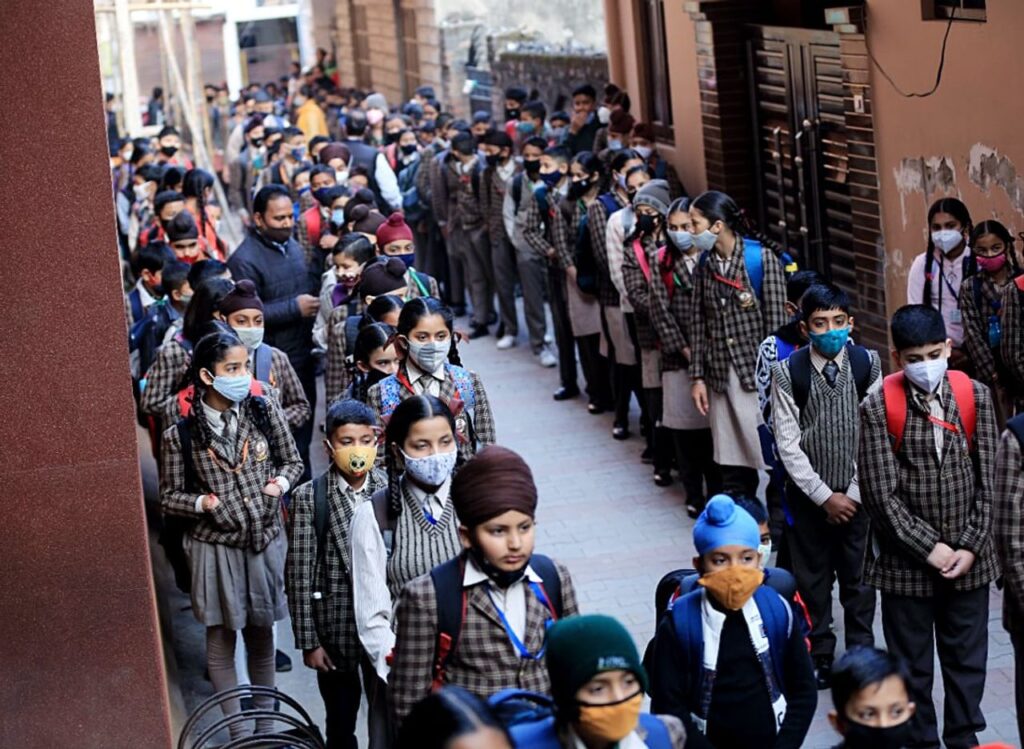
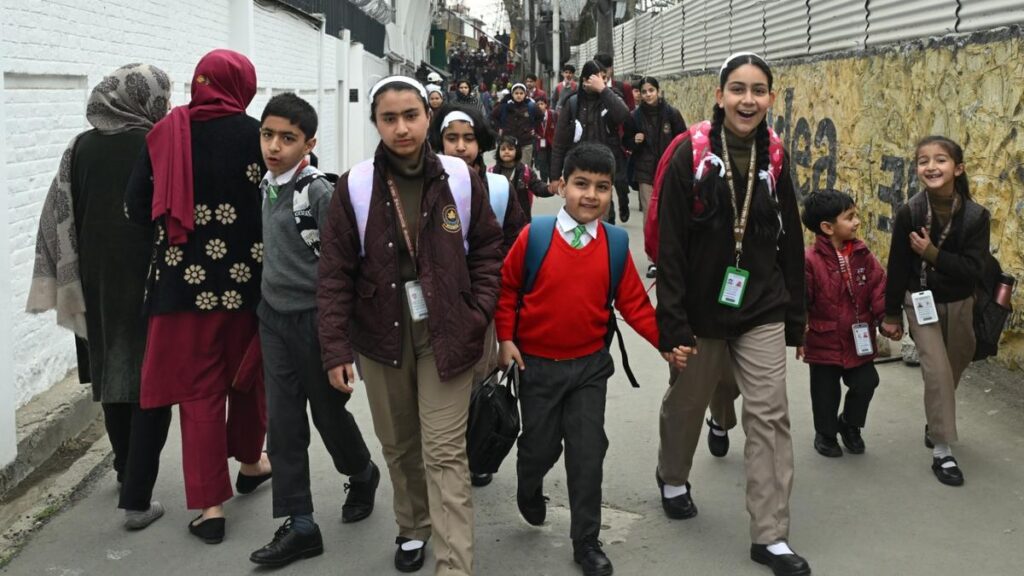
Each year in Kashmir, the same argument returns with renewed intensity. Parents protest rising school fees. Schools defend themselves with rising costs. Government steps in with circulars and warnings. For a few weeks, there is noise. Then the system settles back into the same uneasy silence, until the next hike, the next protest, the next cycle. Something deeper is being missed.
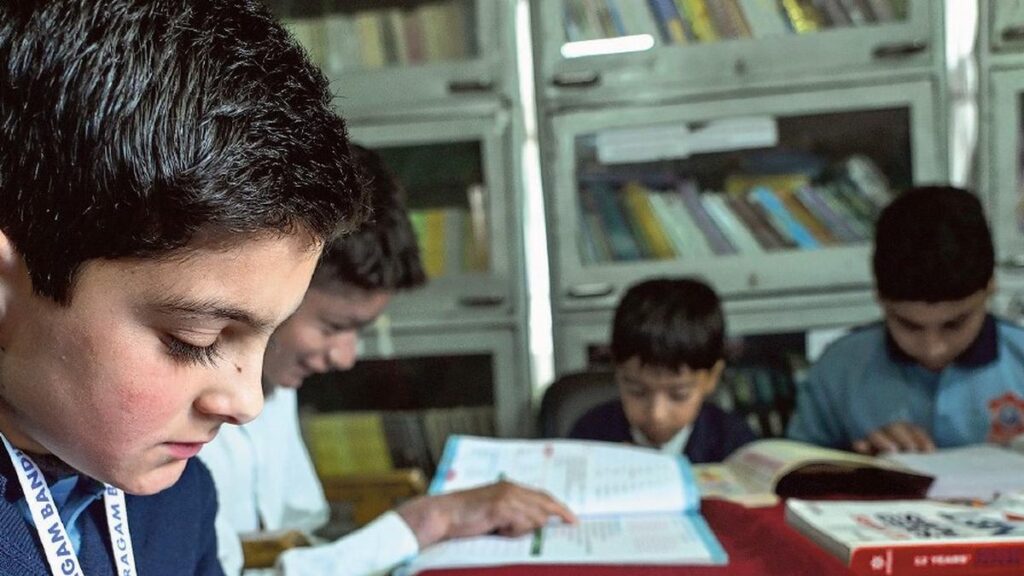
The crisis is not only about how much schools charge. It is about what happens to the money after it is collected. Parents pay more, yet classrooms do not always improve in the way that matters most. Teachers, who stand at the centre of learning, often remain underpaid, overworked, and uncertain. This gap between fee and fairness is where the real problem lies. We have tried controlling fees. We have tried approvals and restrictions. But controlling the price without examining the distribution has produced limited results. A system can comply on paper and still remain unjust in practice. What is needed is not another layer of control, but a shift in principle.
A simple idea can do this. Link the fee a school charges directly to what it pays its teachers. Call it the Fee–Salary Linkage Model. It rests on a basic expectation, if a school charges more from parents, it must pay more to teachers. Not as goodwill, not as a promise, but as a rule. To make this practical, the model can be expressed through a clear five-tier structure. Each fee bracket carries a minimum salary obligation. There is no ambiguity, no room for interpretation. For instance, if school A is charging between ₹600 and ₹800 tuition fee per month must pay each teacher at least ₹6,000 per month. Similarly, if school B is charging between ₹900 and ₹1,200 per month must pay each teacher at least ₹12,000 per month. If school C is charging between ₹1,300 and ₹2,000 per month must pay each teacher at least ₹20,000 per month. If school D is charging between ₹2,100 and ₹3,000 per month must pay each teacher at least ₹30,000 per month. And if school E is charging between ₹3,100 and ₹5,000 per month must pay each teacher at least ₹50,000 per month. Let this be the base fee structure starting from 2026-27 session, let it remain effective for three years. After three years, revision of fee structure shall automatically be linked to salary enhancement of teachers and also improvements in teaching-learning aids and amenities.
Schools must charge only tuition fee in addition to the bus fee as applicable and measurable by way of distance travelled by a student. No other hidden heads like annual fee, maintenance fee, etc., should be allowed, parents should be aware about it.
The logic of Fee–Salary Linkage Model is easy to follow. Higher fee must mean higher teacher salary. It cannot mean better paint, bigger gates, or louder advertisements while the teacher remains underpaid.
What makes this approach different is its clarity. Most regulations get lost in paperwork and interpretation. This one does not. It asks only two questions, what fee is being charged, and what salary is being paid? If the two do not match the prescribed relationship, the violation is obvious. It also shifts the conversation in a healthy direction. Instead of endless disputes over whether a fee hike is justified, the focus moves to whether the money is being used justly. Parents may still pay, but they pay with awareness. Teachers may still work, but they work with dignity.
There is another change, less visible but more important. The model quietly alters incentives. A school that wishes to raise its fee must also prepare to raise its teachers salary bill, by way of bank transfer only, that can be verified. Growth, then, is tied to responsibility. Expansion is tied to fairness. The easiest way to improve revenue becomes the same as the right way, invest in teachers.
This is not about punishing schools. It is about restoring balance. Private institutions have a role, and many of them perform it sincerely. But even the best system drifts when there is no clear anchor. Profit begins to overshadow purpose. Presentation begins to overshadow substance. A simple rule can bring the system back to its centre. Some will say that such a model interferes with autonomy. That argument would carry weight if education were an ordinary market activity. It is not. A school does not sell a product; it shapes a future. The moment it collects fees from families, it enters a space of public trust. Fair wages for teachers are not an intrusion into that space, they are part of its foundation.
Others may worry about smaller schools. This structure already answers that concern. A school is not asked to do what it cannot afford. It is only asked to remain consistent within its own level. If it chooses a lower fee bracket, it carries a lower obligation. If it moves higher, the responsibility rises with it.
The present system creates a quiet distortion. Fees move upward with confidence. Salaries move upward with hesitation. Over time, the distance between the two becomes normal. That normal must be questioned. A teacher who is worried about basic expenses cannot give their best to a classroom. A system that underpays its teachers cannot expect excellence from its students. These are not abstract ideas; they are daily realities.
The Fee–Salary Linkage Model does not promise perfection. No policy does. But it offers something the current system lacks, a direct line between payment and purpose. It ensures that the first claim on a school’s income is not expansion or image, but teaching itself.
In the end, the issue is not technical. It is moral. When a parent pays a fee, a part of that money must carry a guarantee. A fair share of it must reach the person who teaches their child. Kashmir does not need louder debates on school fees. It needs a quieter, firmer principle that everyone can see and understand. Link the fee to the salary. Keep it visible. Keep it simple. Once that connection is restored, much of the conflict will resolve on its own. Let this model become a policy, starting from new academic session 2026-27.

