
 English
































































































































































































































































































Seat Expansion or Salary Grab?


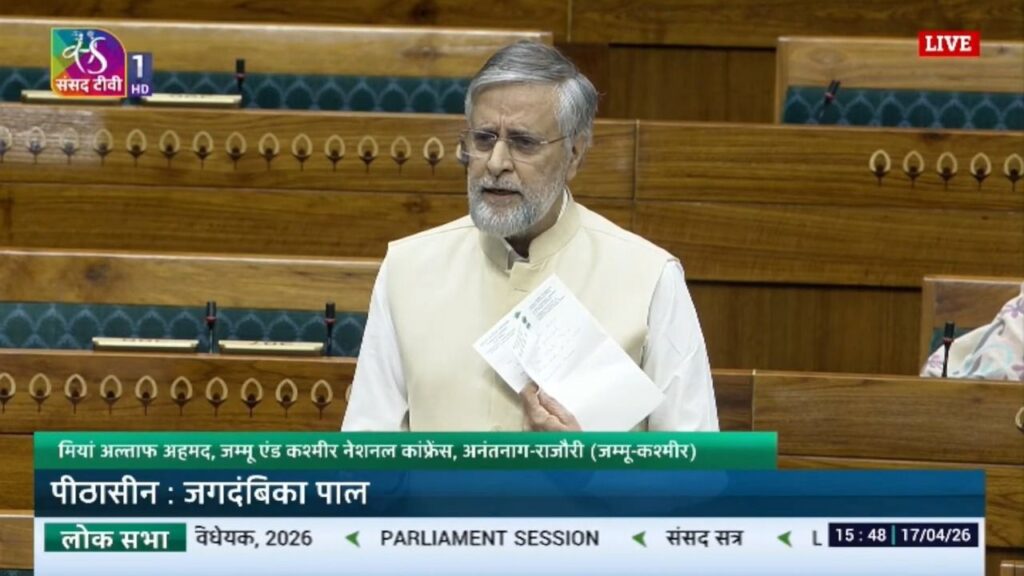
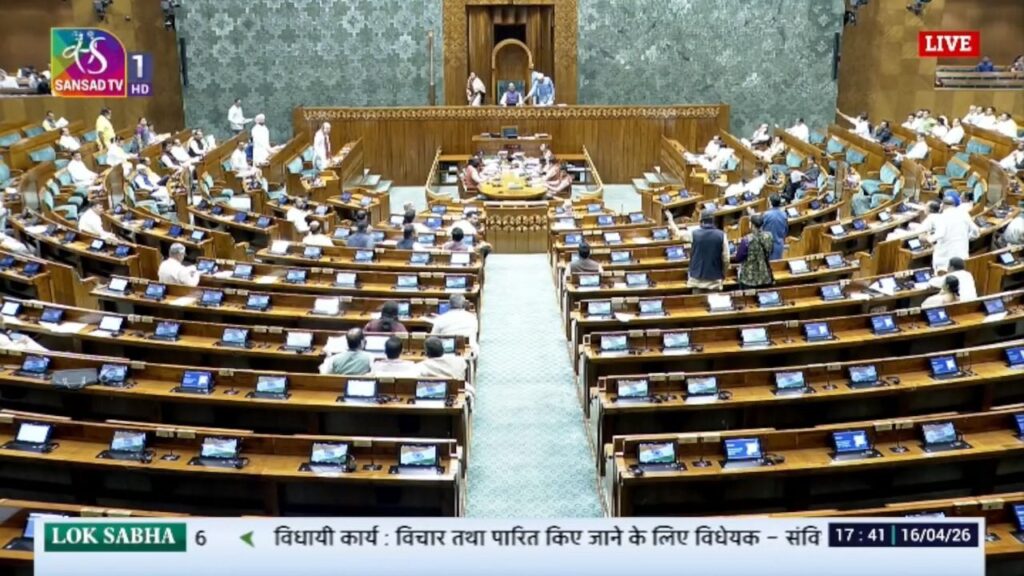
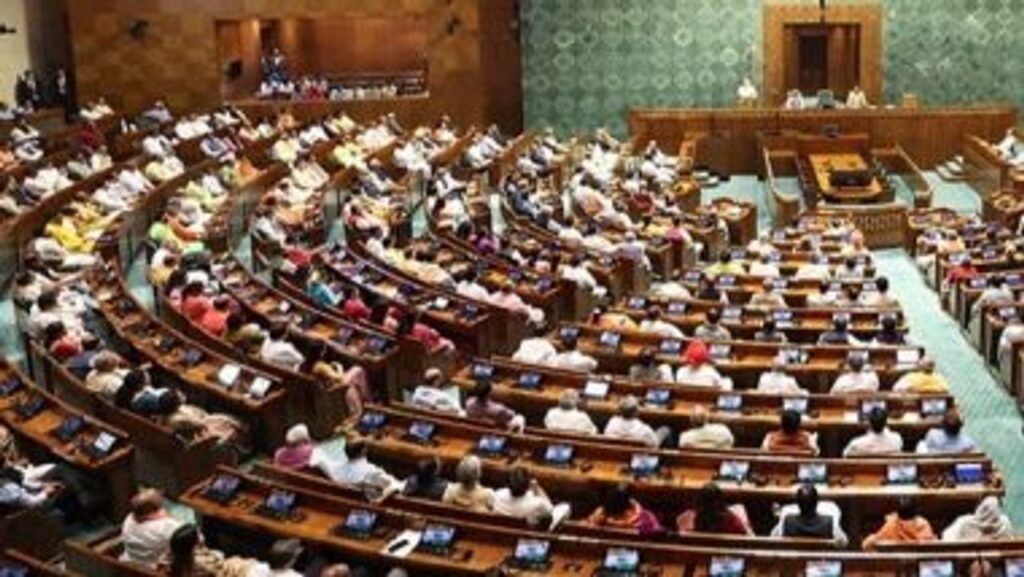
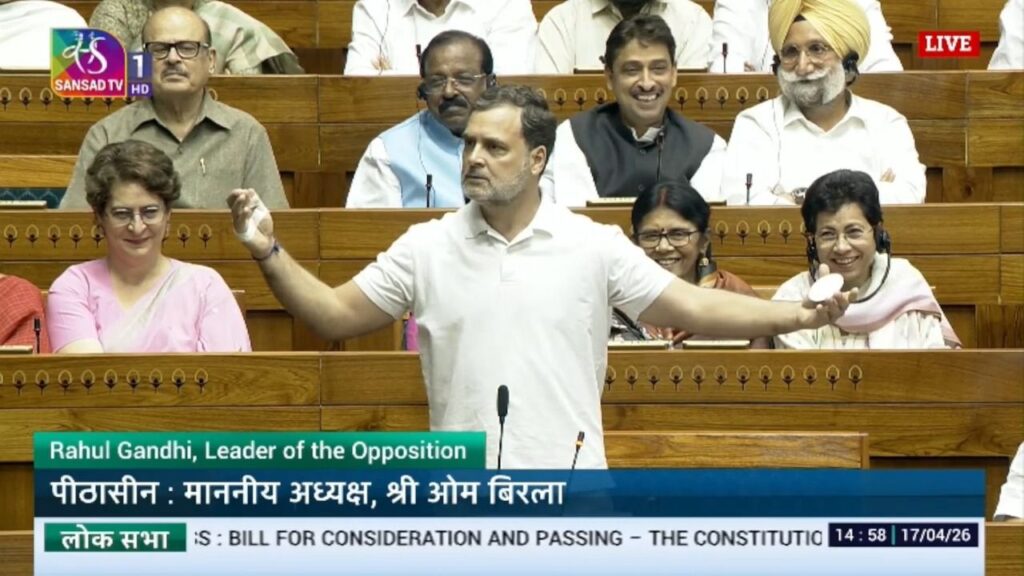
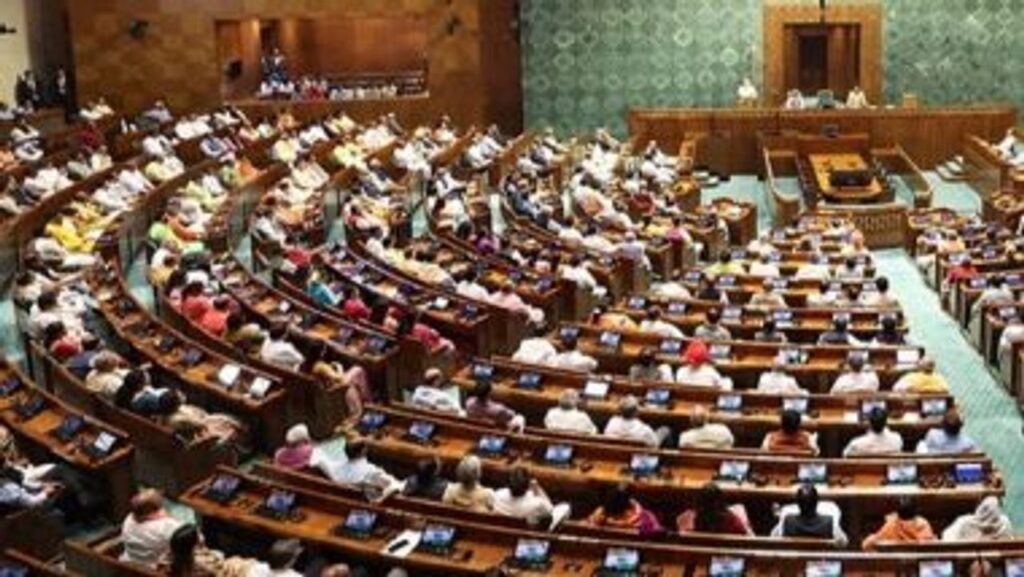
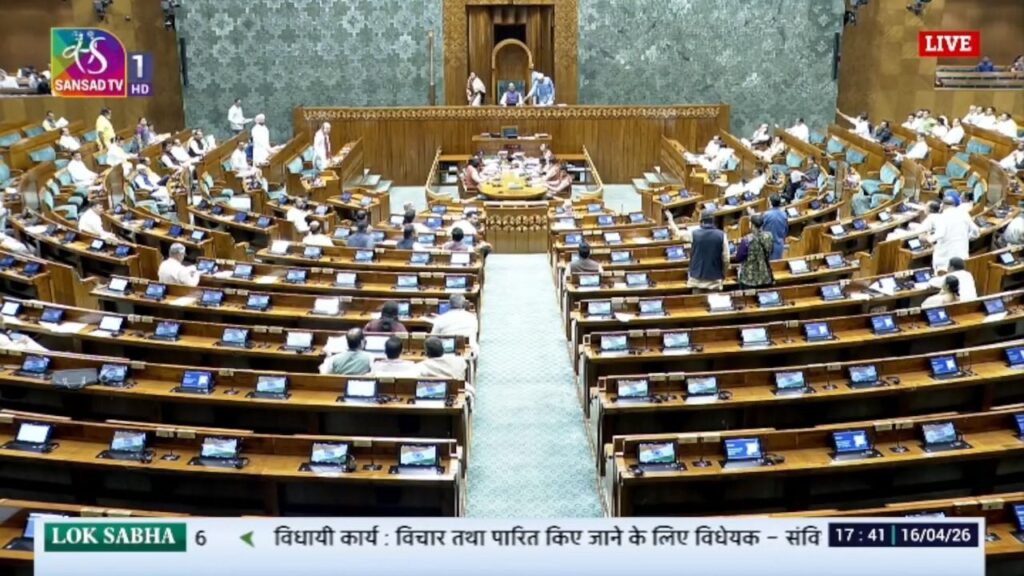
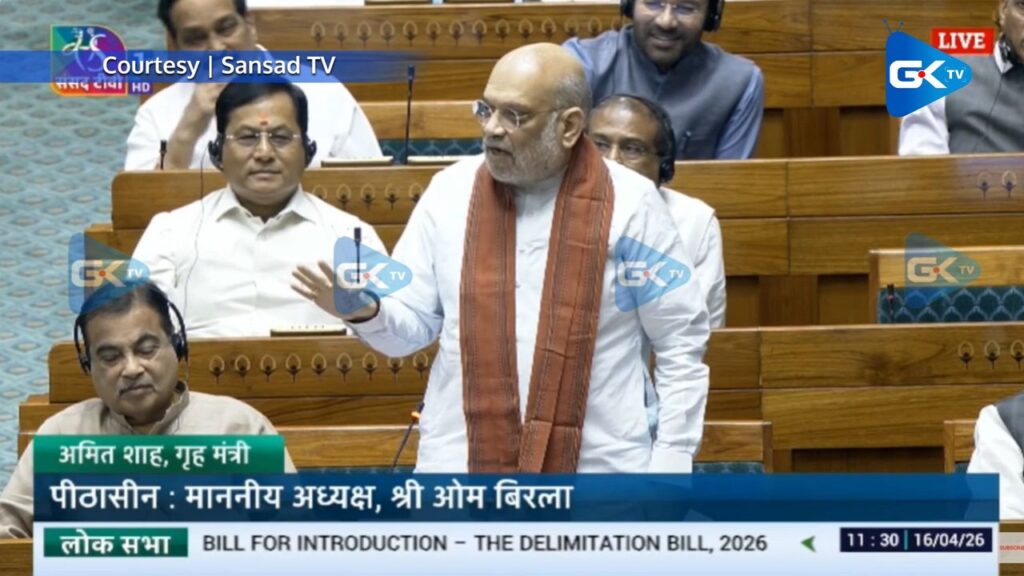
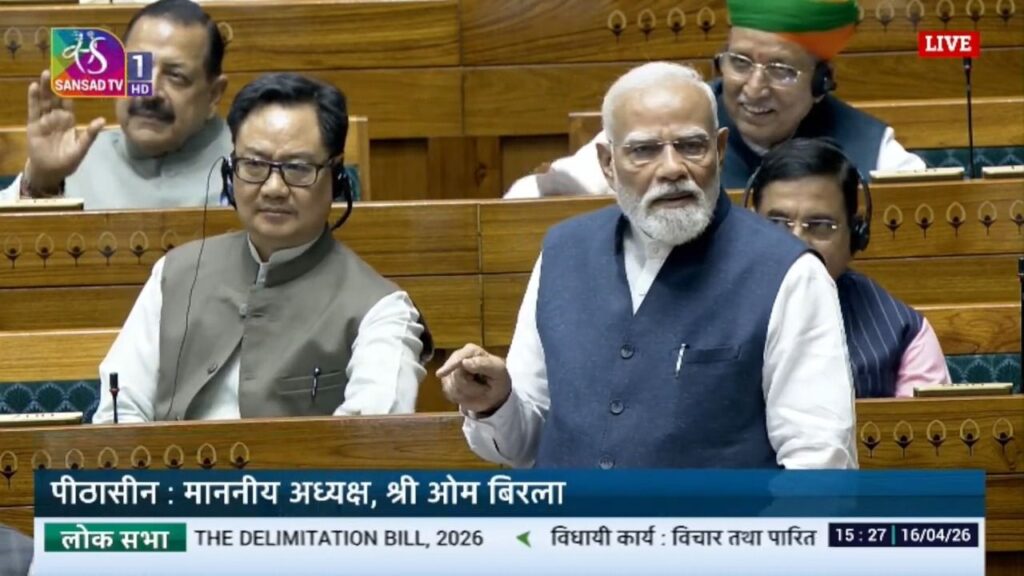
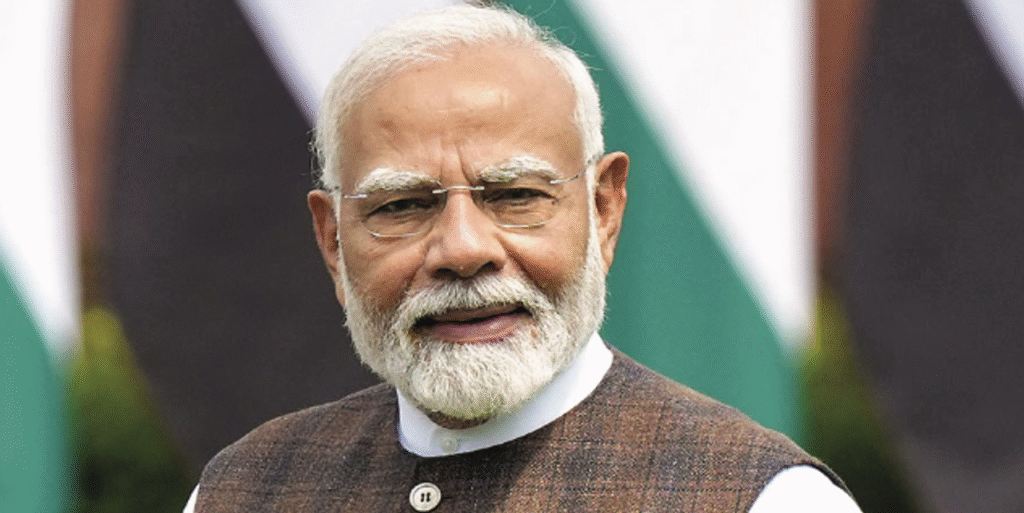
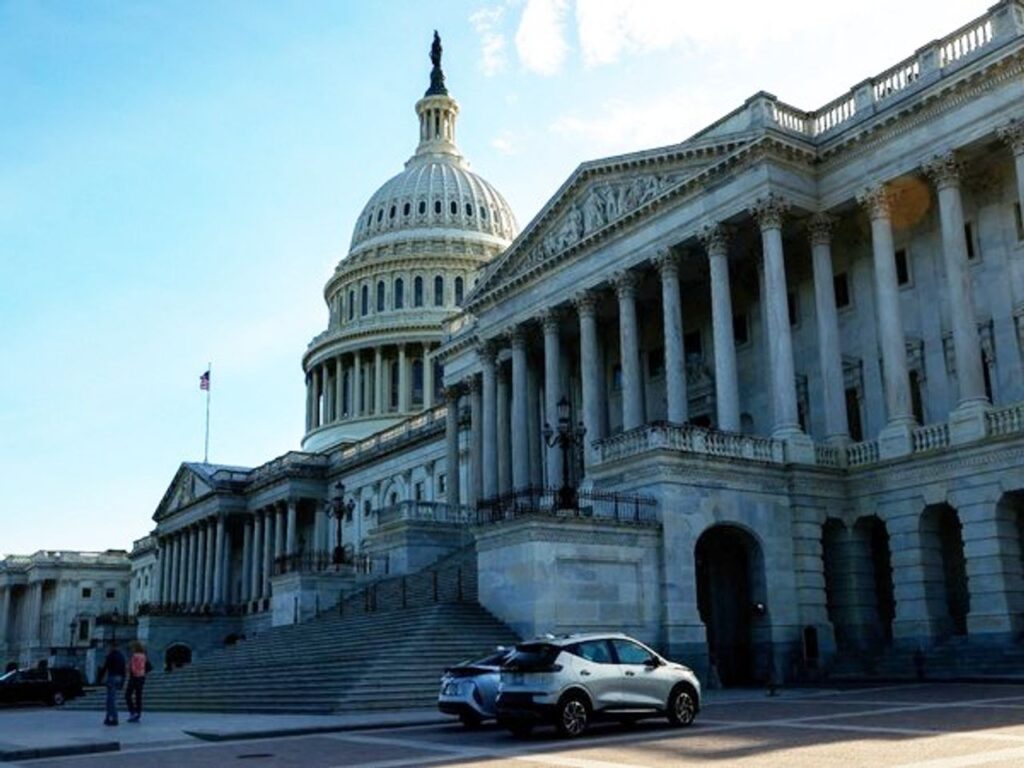
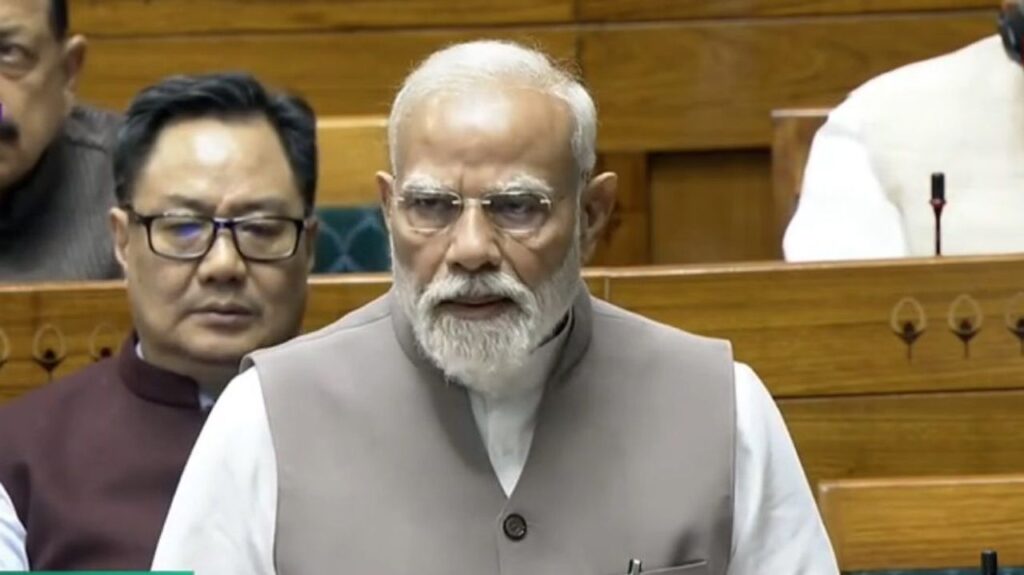
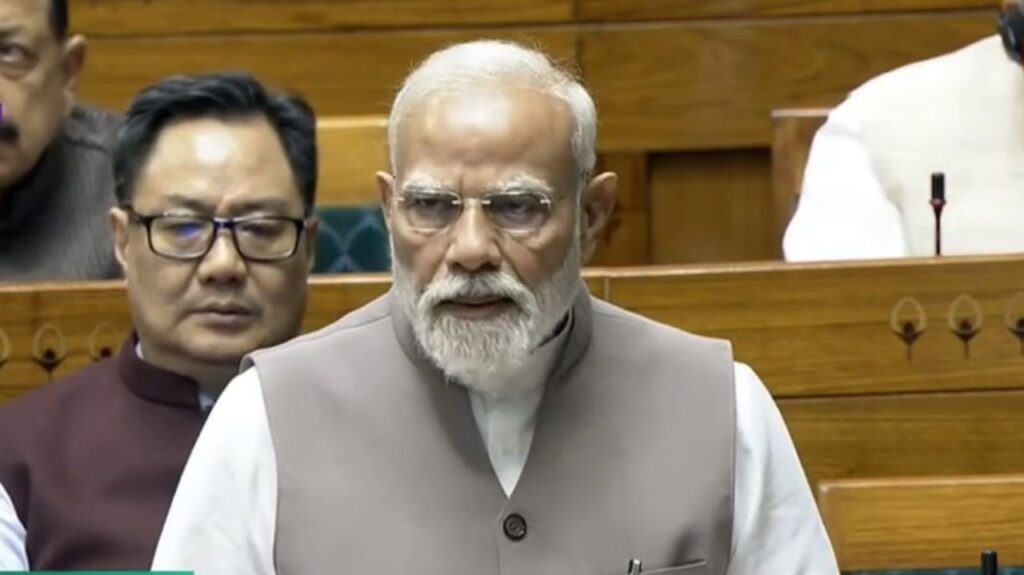
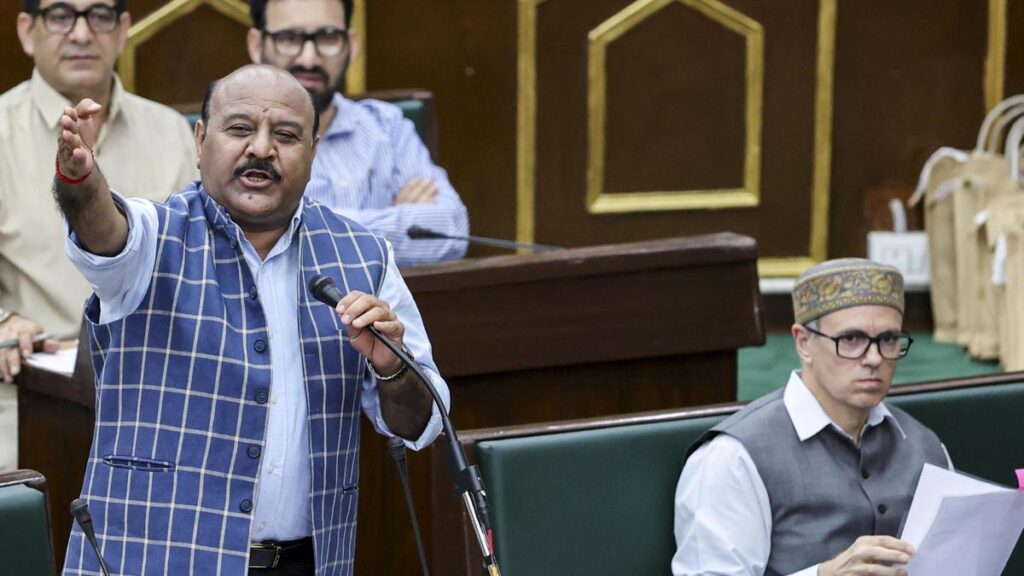
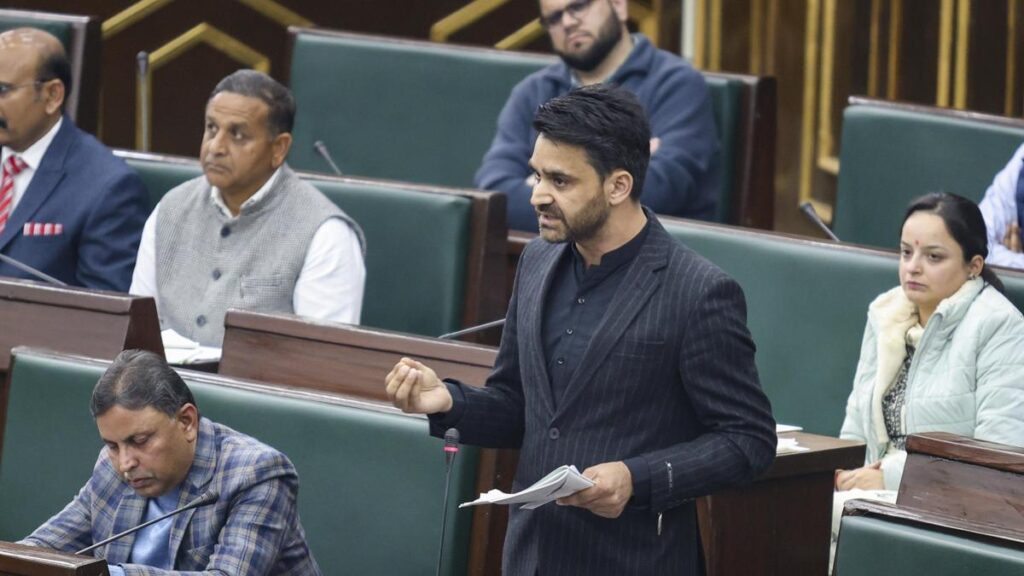
In the corridors of power, the Narendra Modi government is preparing to fast ‑track a constitutional ‑cum ‑delimitation package that will increase Lok Sabha strength from the current 543–545 seats to around 815–850 and expand state assemblies by roughly 50% on a pro‑rata basis. On paper, this is framed as a decisive step toward 33% women’s reservation in Parliament and state legislatures by 2029, bypassing the earlier “first census after 2026” timeline that could have deferred it to 2034. Beneath this progressive veneer, however, lies a less‑ discussed reality: the taxpayer is being asked to permanently fund a significantly larger political class, with almost no debate on the fiscal and tax implications.
The Stated Case
From a representational standpoint, the justification for expansion is not entirely without merit. India’s population has grown unevenly since the last major delimitation freeze after 1976. Northern states such as Uttar Pradesh and Bihar now have far more people per MP than southern states; expanding and redrawing constituencies using the 2011 Census can partially correct this imbalance. Smaller constituencies, in theory, may also make MPs and MLAs more accessible to constituents, especially in large, densely populated districts that have long been represented by a single elected member regardless of massive population growth.
The political class has also wrapped the package in the language of empowerment. By tying the seat expansion to women’s reservation, the move acquires a progressive halo that is difficult to oppose in public. The logic is clear: more seats mean more opportunities for women candidates, more visibility for marginalized voices, and a broader bench of lawmakers. Parties across the spectrum, including regional outfits, quietly welcome the prospect of more tickets, more offices, and more patronage. Expansion, therefore, arrives as a politically convenient consensus.
The Flawed Structural Architecture
Yet the design of the package raises serious structural concerns. The mere addition of seats does not guarantee higher quality legislators. Data already show that a large share of MPs face criminal cases and that the overwhelming majority are multi‑-crore‑pati. Simply adding more seats may dilute the standard of representation rather than raising it, spreading the same concentration of unaccountable power across a wider canvas.
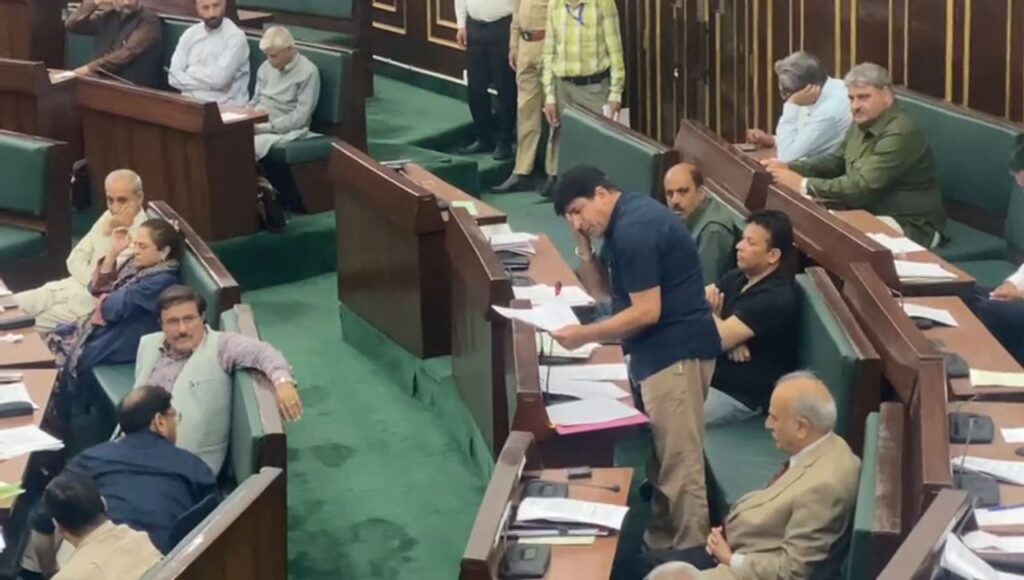
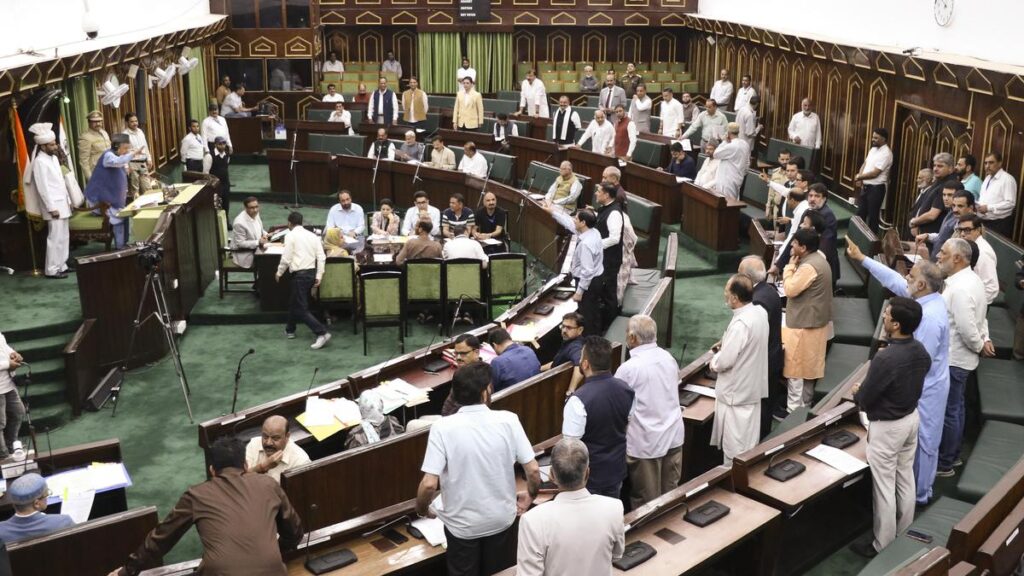
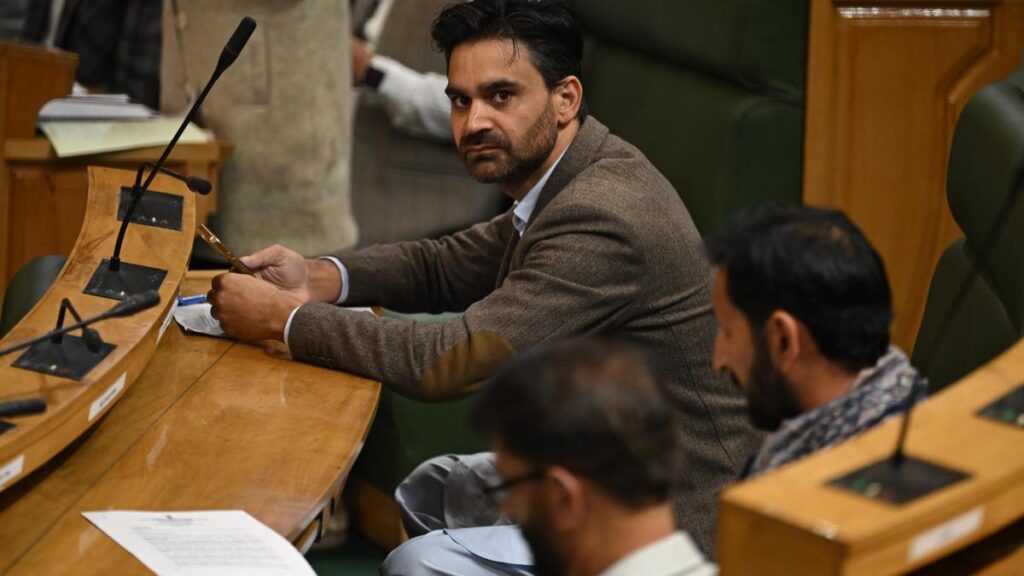
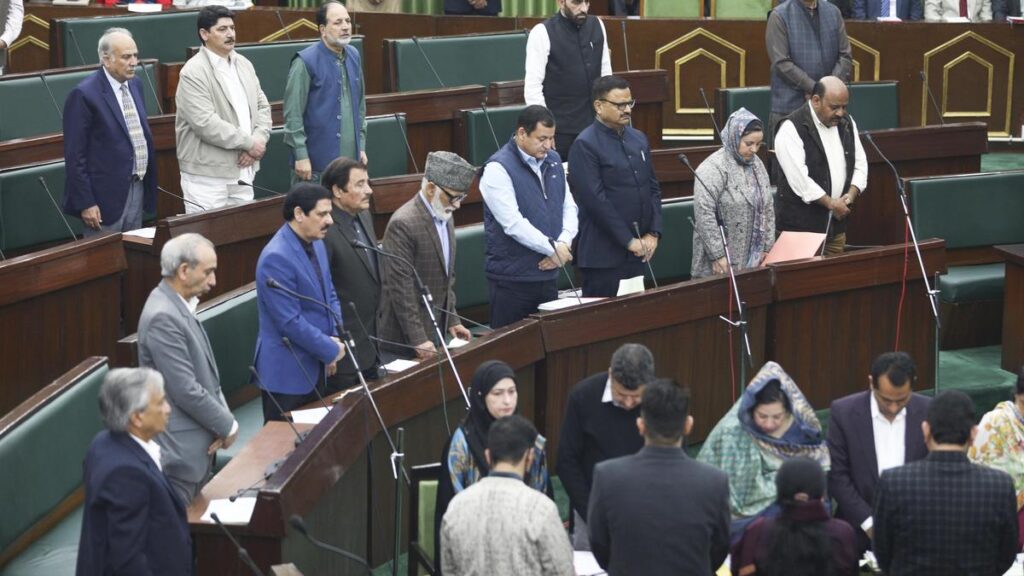
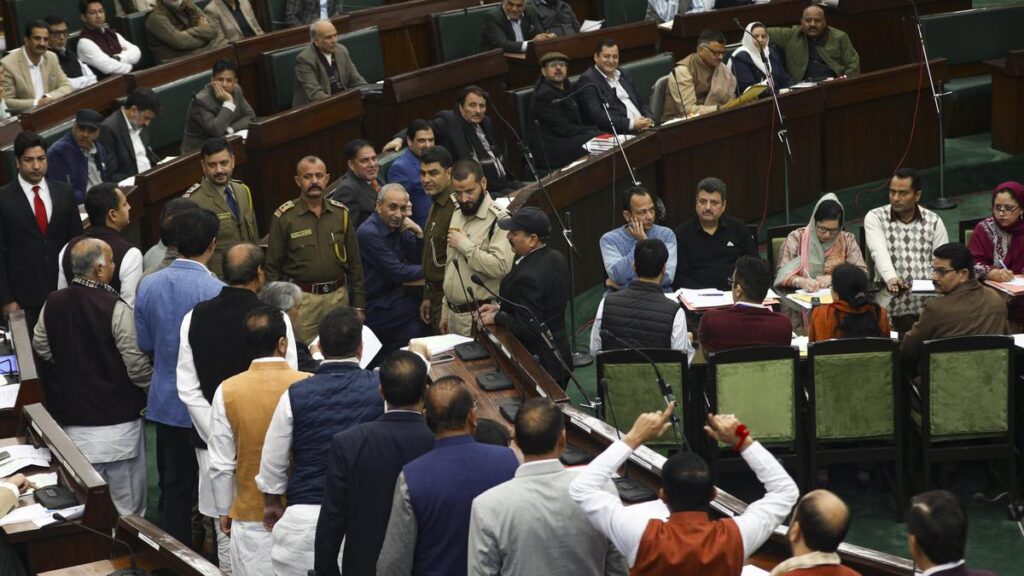
Parliamentary efficiency is another casualty. India’s legislative business is already conducted in truncated sessions, with bills often passed in minutes. A larger Lok Sabha and bigger state assemblies risk making debates more chaotic and log‑jamming legislative work further. The promise of “more representation” may translate, in practice, into more noise and less scrutiny.
The choice of the 2011 Census instead of the yet ‑to ‑be ‑conducted post ‑2026 Census also reopens the North‑ South demographic ‑federal divide. States that did better at population control may find themselves relatively under-‑represented, while high‑ fertility states gain more MPs per capita. This could deepen regional resentment and feed narratives of unfair seat‑ sharing, not just in the south but in sensitive regions such as Jammu and Kashmir, where demographic and identity sensitivities are already volatile.
The Fiscal Elephant in the Room
What is almost entirely absent from public discourse, however, is the fiscal burden that this expansion will impose on the taxpayer. Each MP is estimated to cost the exchequer roughly ₹4–4.5 crore per year, once salary, allowances, staff, travel, and perks are bundled together. If Lok Sabha strength rises by roughly 270–310 seats, the additional direct annual cost of new MPs alone could easily run into thousands of crore‑rupees per year, even before accounting for infrastructure, security, and office expenses.
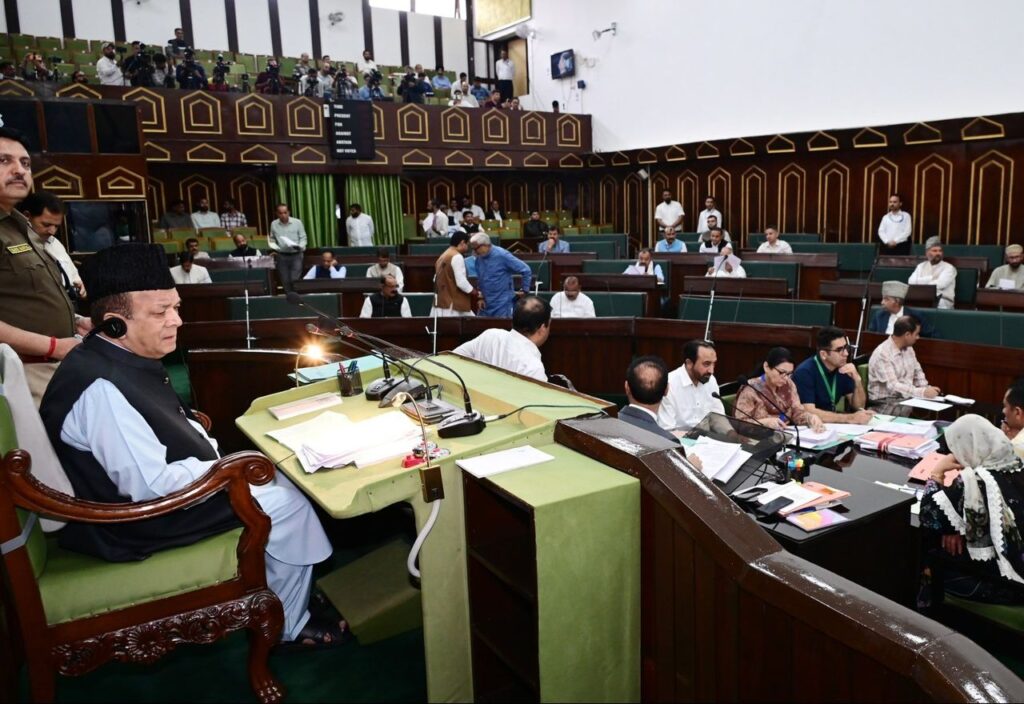
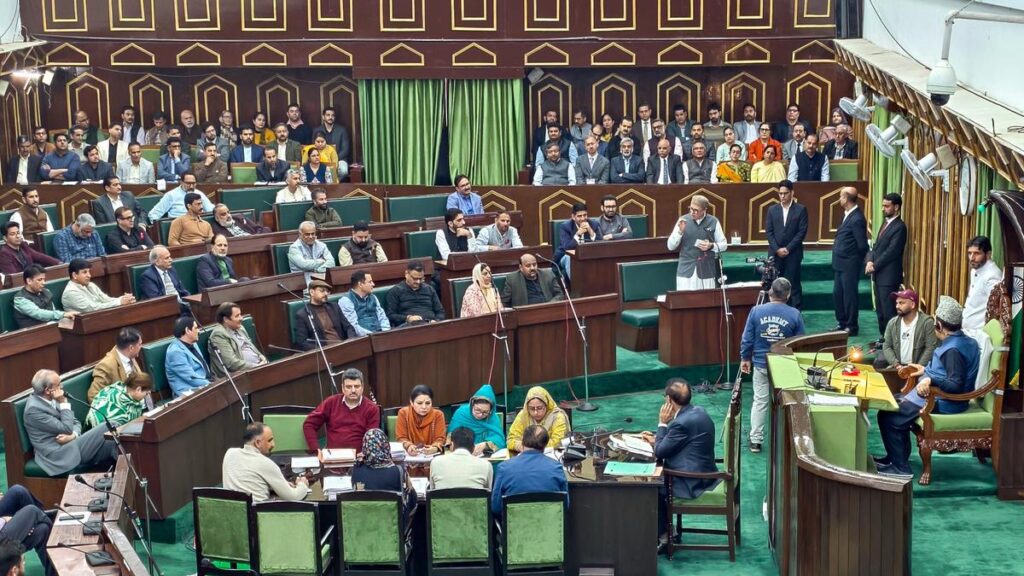
State assemblies, whose total strength may rise from about 4,100 MLAs to around 6,000+, will add another multi‑-thousand ‑crore annual tab for salaries, staff, and allowances. Every MP and MLA also controls discretionary funds—such as MPLAD ‑style “constituency development” allocations of about ₹5 crore per year. With Lok Sabha expanding to 800+ seats, the total MPLAD‑ type pool could rise to over ₹4,000 crore per year. These funds are important for local projects, but their utilization is patchy, poorly monitored, and vulnerable to political favouritism rather than planned, transparent development.
The long‑ term liability is equally worrying. MPs and MLAs who serve one term are entitled to life time pensions, free travel, medical care, and often heavily subsidized housing. As the size of the political class grows, so does this deferred burden on future generations of taxpayers. Additional offices, staff, security, and upgraded parliamentary and assembly infrastructure will further inflate the recurring cost. This is not a one‑time expenditure; it is a structural commitment written into the budget, funded by the same tax base that already struggles to finance schools, hospitals, and infrastructure.
The Tax Burden on the Salaried Class
The most sensitive question is who ultimately pays for this. Direct‑ income‑tax payers—the salaried middle and upper‑middle class in metro and tier ‑2 cities—already contribute a disproportionate share of direct tax revenue. When taxpayers file their ITR or pay advance tax, they are rarely told that a non‑ trivial portion of their dues will fund not highways, not hospitals, but the salaries, bungalows, free flights, MPLAD funds, and lifetime pensions of thousands of politicians.
In effect, the political class is voting itself a permanent increase in size and privilege, financed by the very voters who have little say in the design of the bill. No party has a genuine incentive to oppose expansion, because every increase in seats means more nominations, more offices, and more patronage. This consolidates the perception that politics is a self‑serving business rather than a public‑service vocation.
Implications for Governance and Federalism
Beyond the fiscal arithmetic, the move has deeper implications for governance and federalism. With more MPs and MLAs to monitor, media and civil society may become more fragmented, and scrutiny less focused. Voters may feel even more atomized and disconnected from a political class that is physically closer but institutionally more opaque.
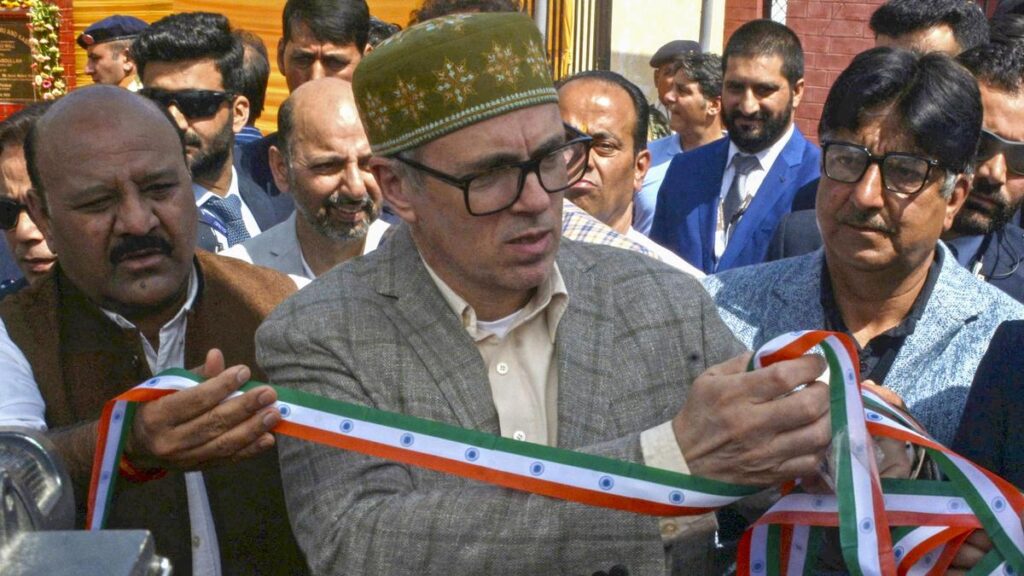
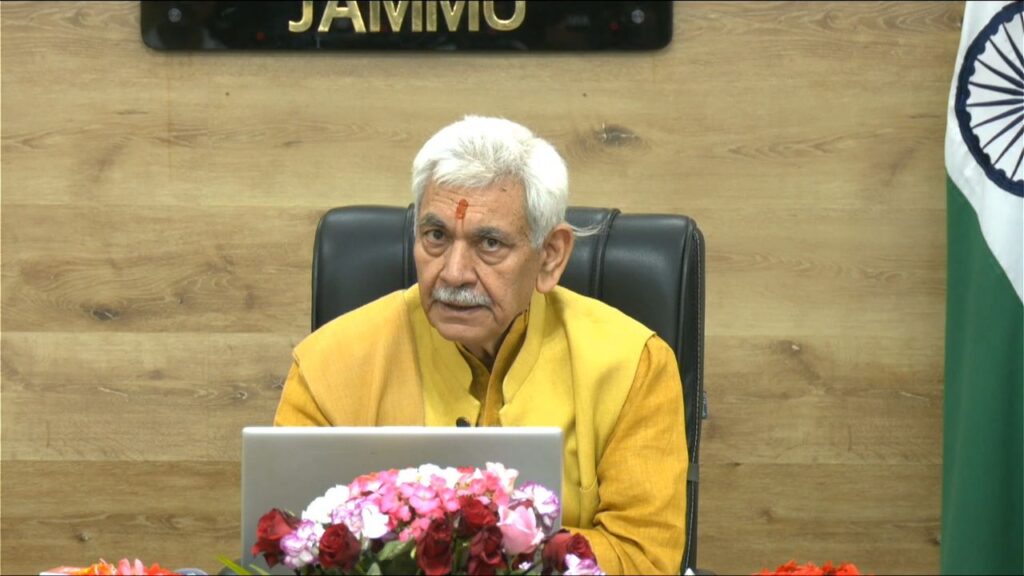
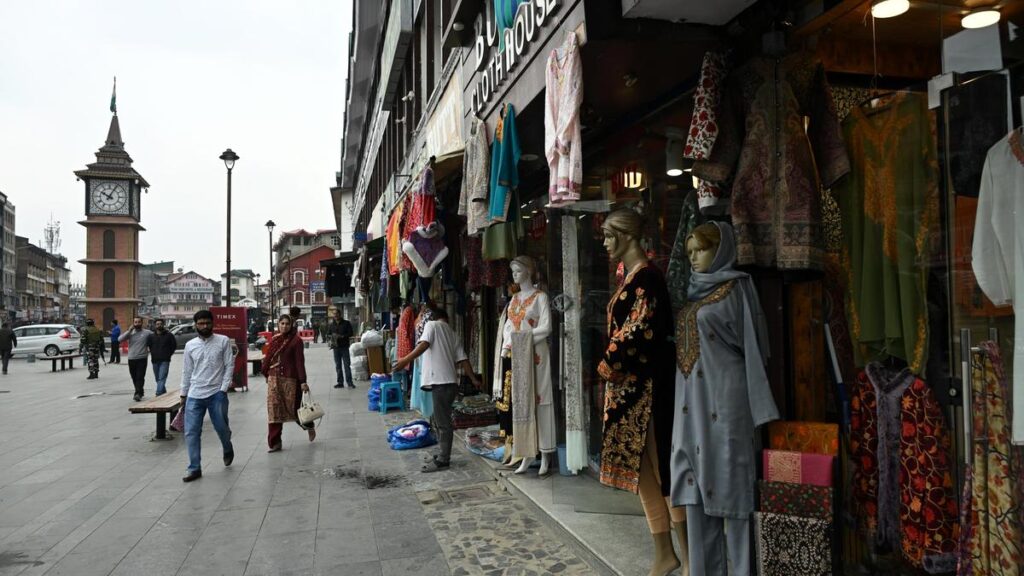
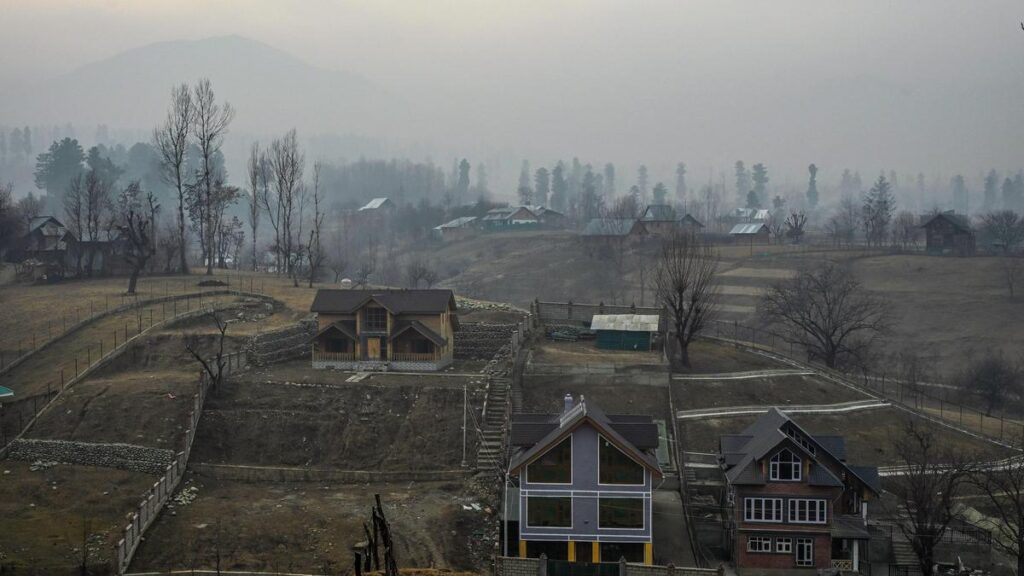
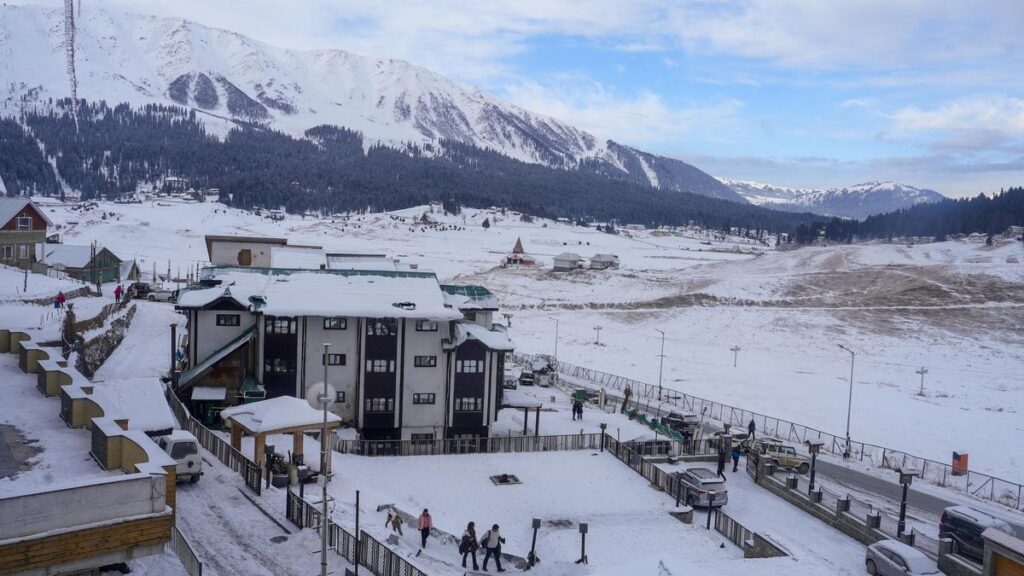
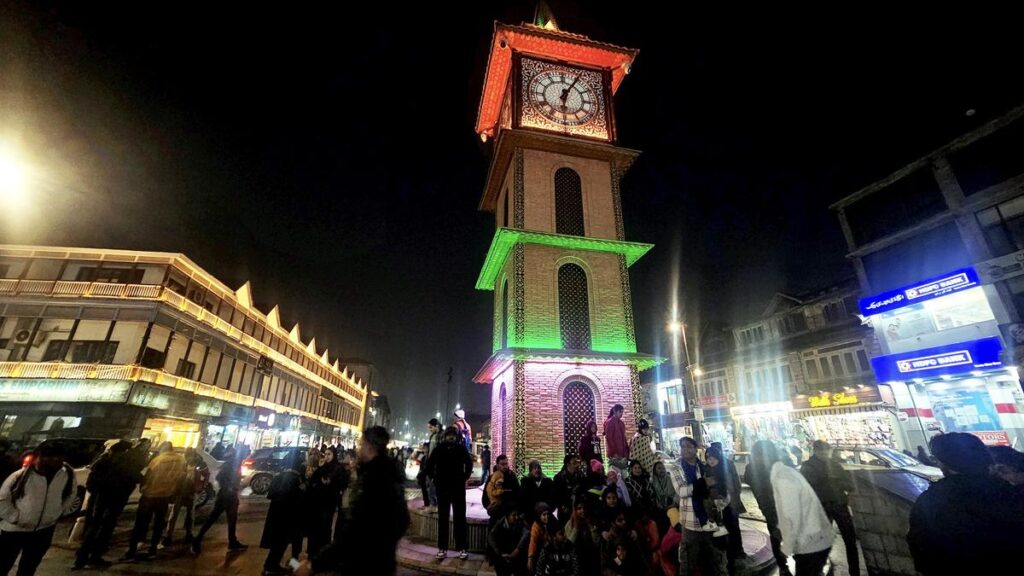
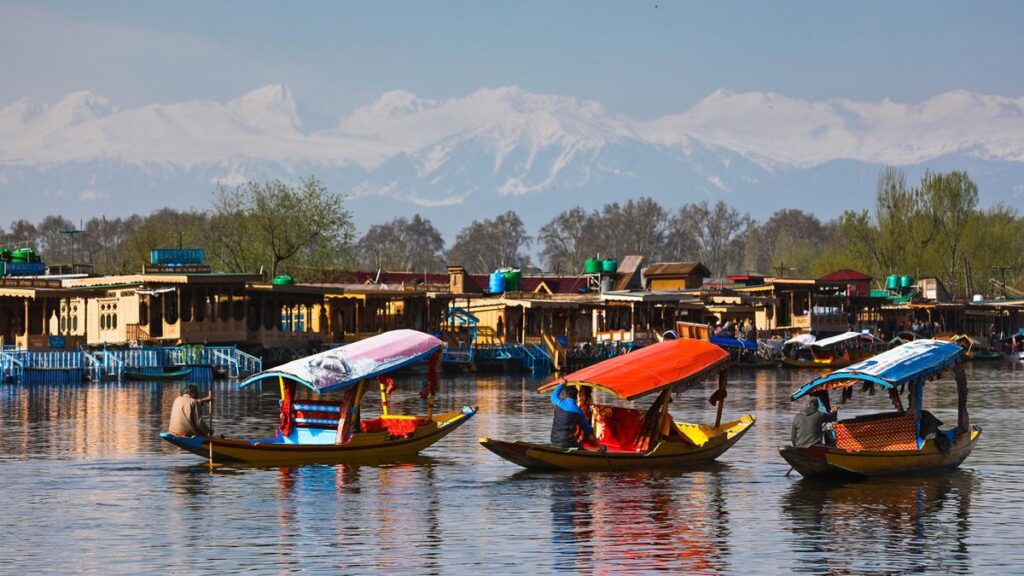
In Jammu and Kashmir, where every rupee of public spending is scrutinized through the lens of fragile stability and contested identity, this expansion demands particular care. The region has recently undergone structural changes—Article 370, bifurcation, and new delimitation—raising questions about whether an even larger, more expensive political class will enhance governance or deepen transactional politics. The risk is that symbolic representation will be prioritized over substantive development and accountability.
A Balanced Path Forward
The expansion is not inherently irrational, but it should not be approved as a silent, semi‑-permanent structural increase in the size of the political class. At the very least, India needs a transparent fiscal‑ responsibility framework for representation. A mandatory annual “cost ‑of ‑representation” annex to the Union and state budgets could spell out how much of the common tax pool is spent on legislators versus other public goods. Performance ‑linked conditions on perks and allowances—attendance, questions asked, committee participation, and MPLAD‑ utilization metrics—should be tied to a portion of the benefits. Stricter sunset and scaling rules for lifetime pensions and extravagant travel allowances could also prevent the automatic inheritance of perks by new MPs.
The move should be accompanied by a review of parliamentary and assembly efficiency, to ensure that expansion does not translate into mere log‑jam. A parliamentary‑ level committee tasked with periodically reviewing whether the expanded Lok Sabha and Assemblies have actually improved law‑making, oversight, and public service outcomes could provide some accountability.
In conclusion, the Lok Sabha and assembly expansion is being sold as a progressive step toward women’s reservation and updated representation, but it is, in practice, a long‑ term fiscal commitment to a larger political class, financed by the taxpayer. For readers in Jammu and Kashmir, this expansion must be treated not as a neutral technical adjustment, but as a constitutional‑ fiscal decision with deep implications for governance, equity, and federal balance. Expansion is acceptable only if it is paired with a contracting culture of entitlement and a transparent accounting of the cost of representation.

