
 English






































































































Indian Ocean Community


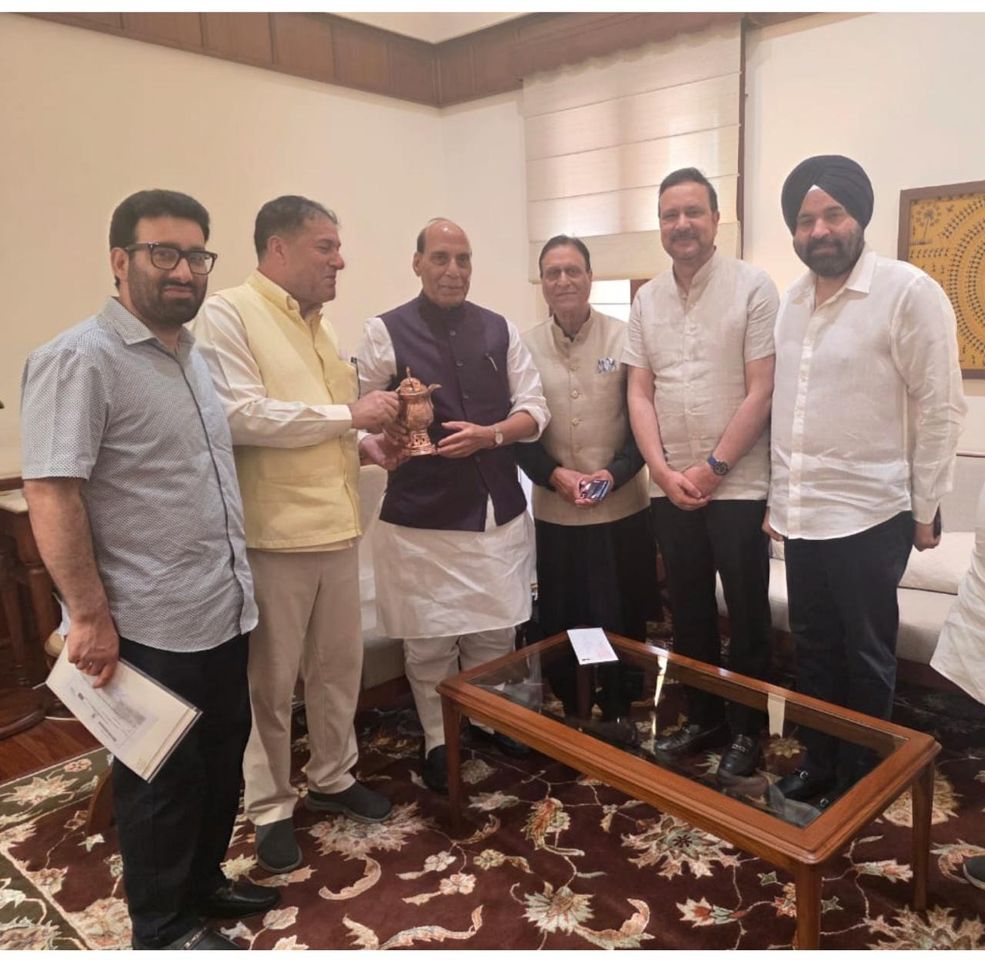
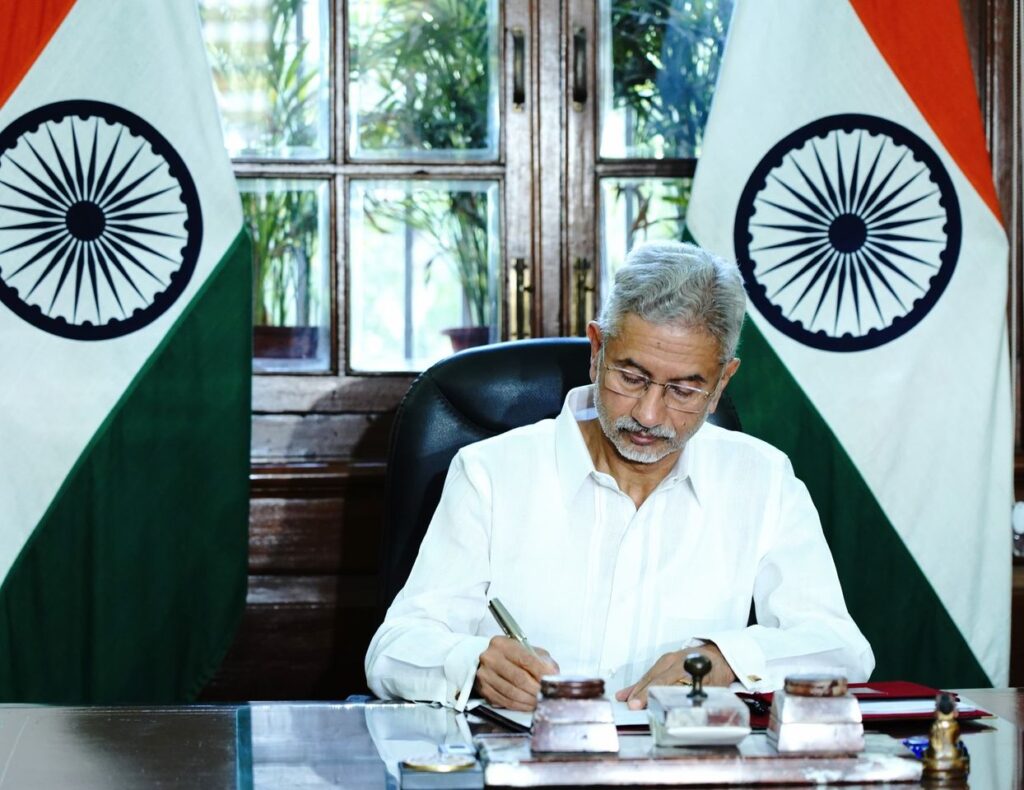
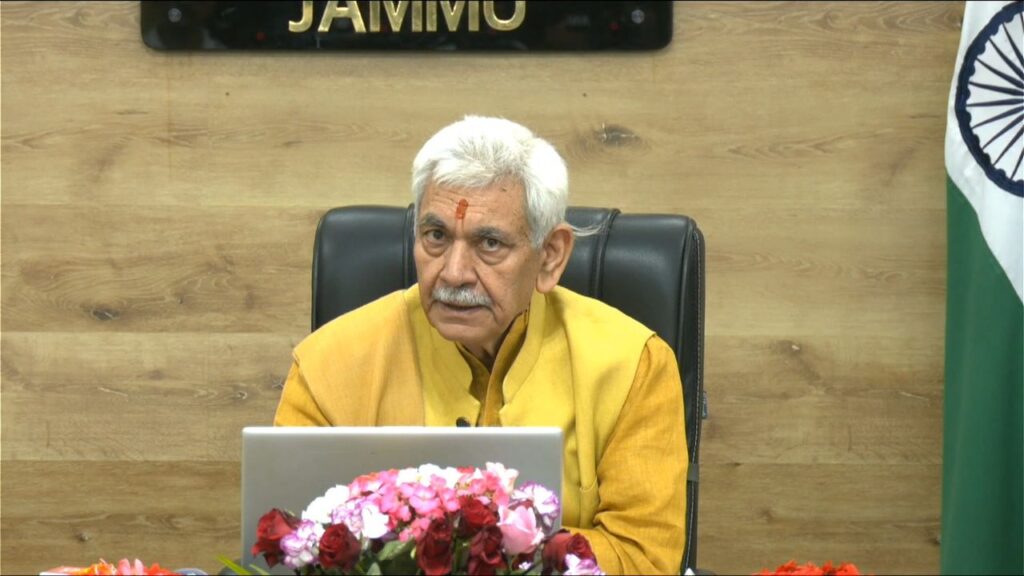
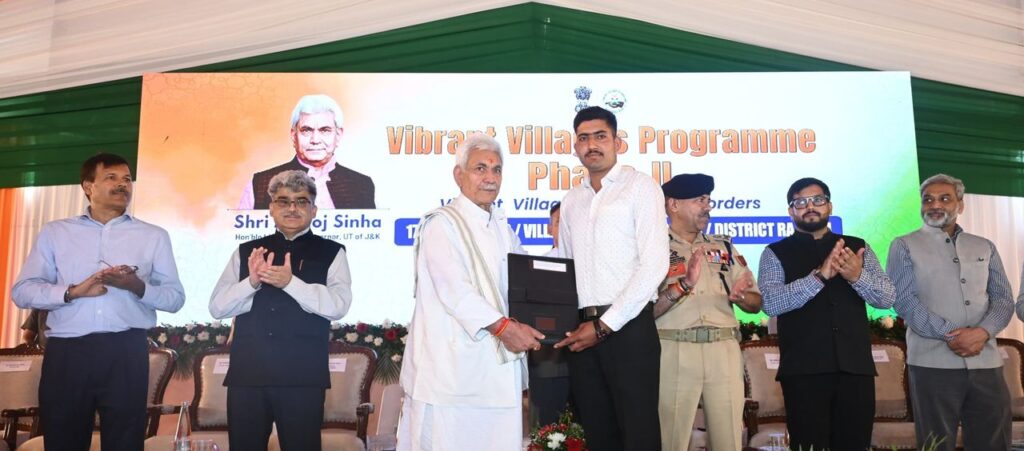
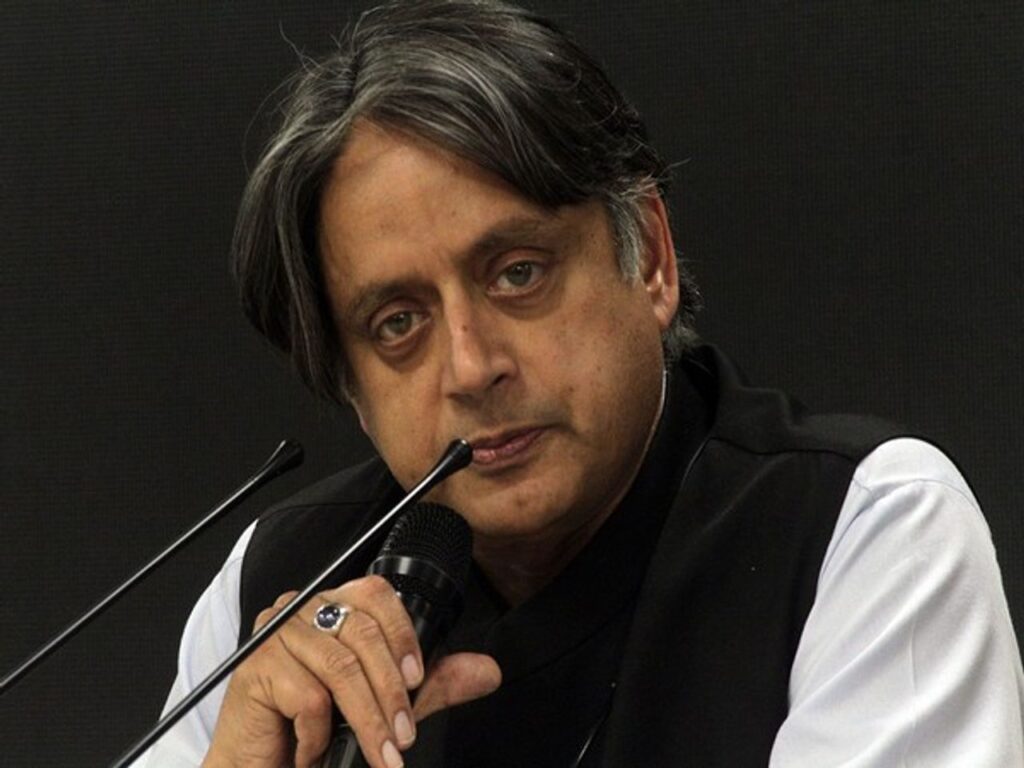
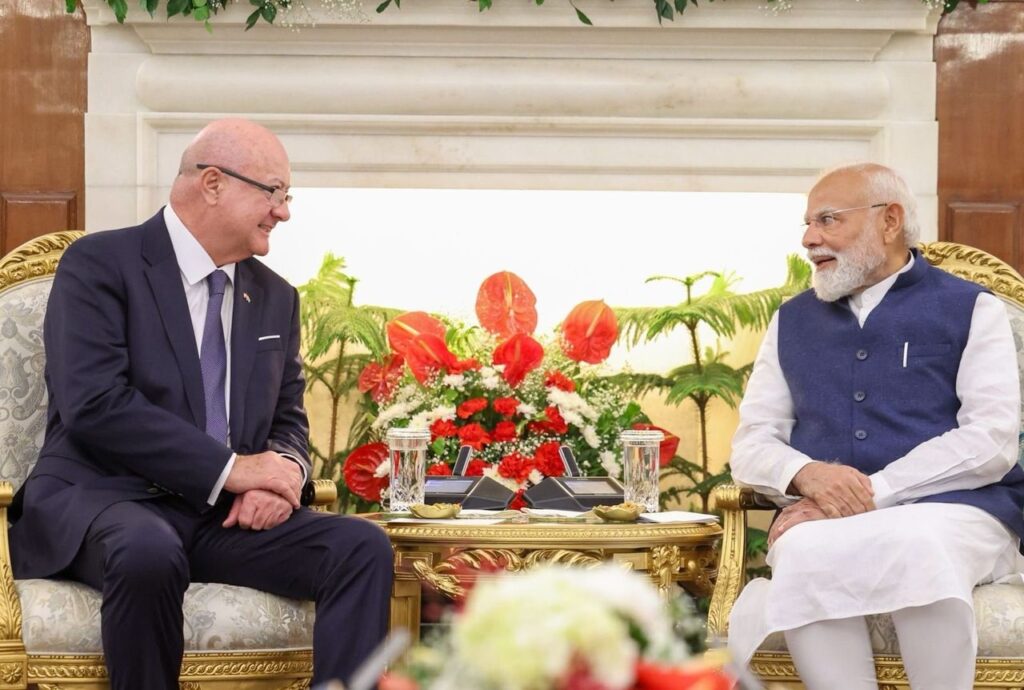
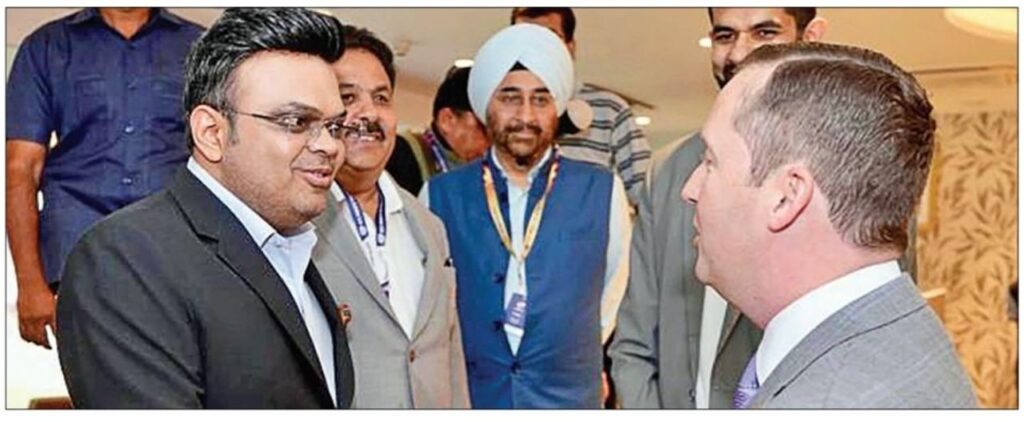
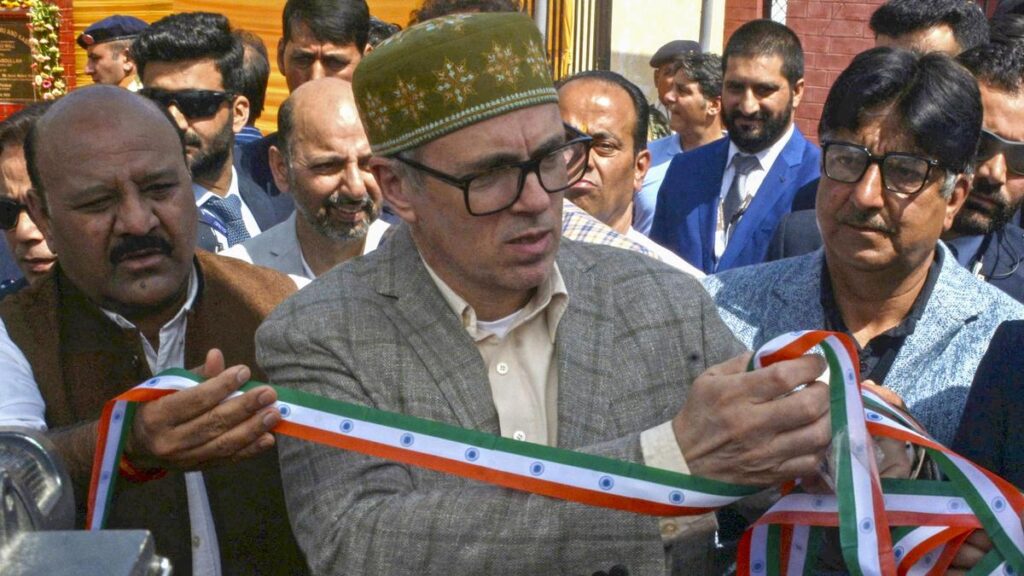
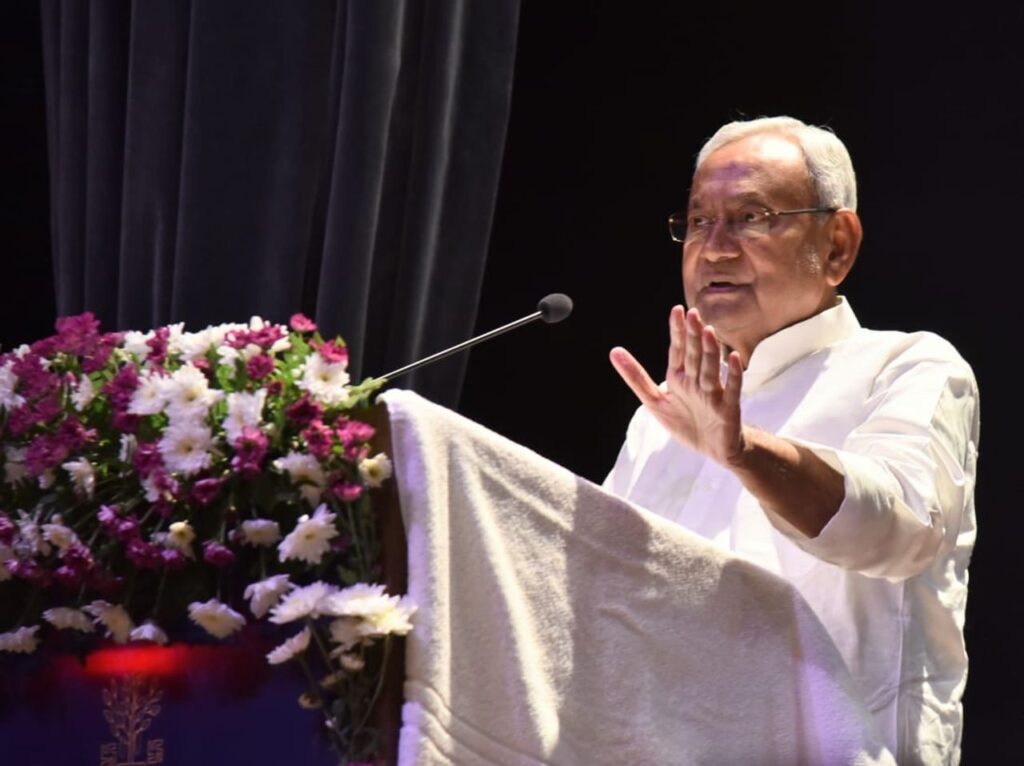
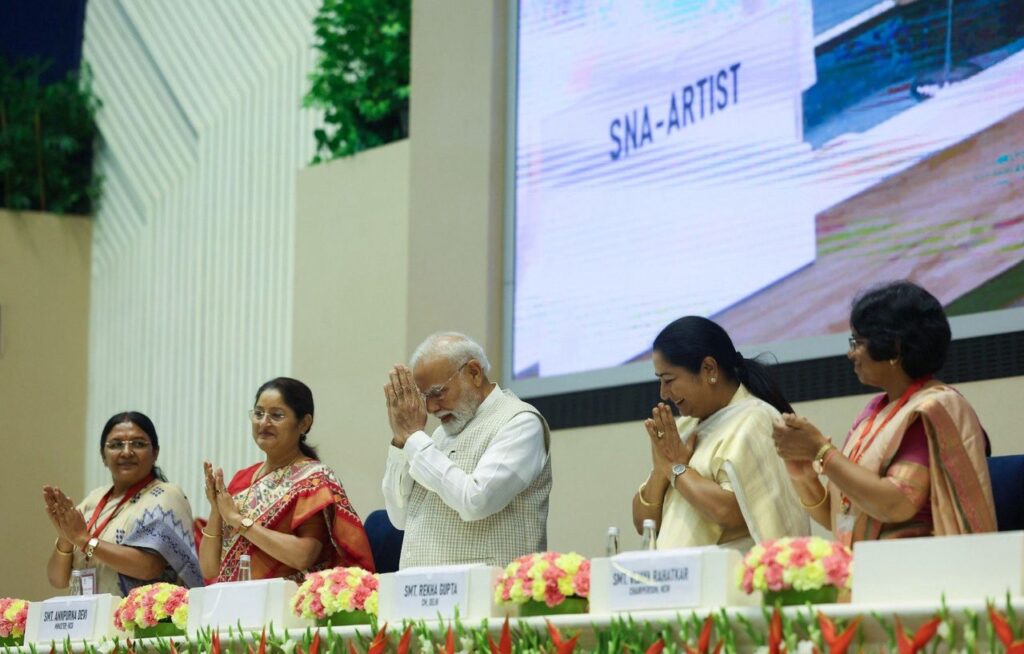
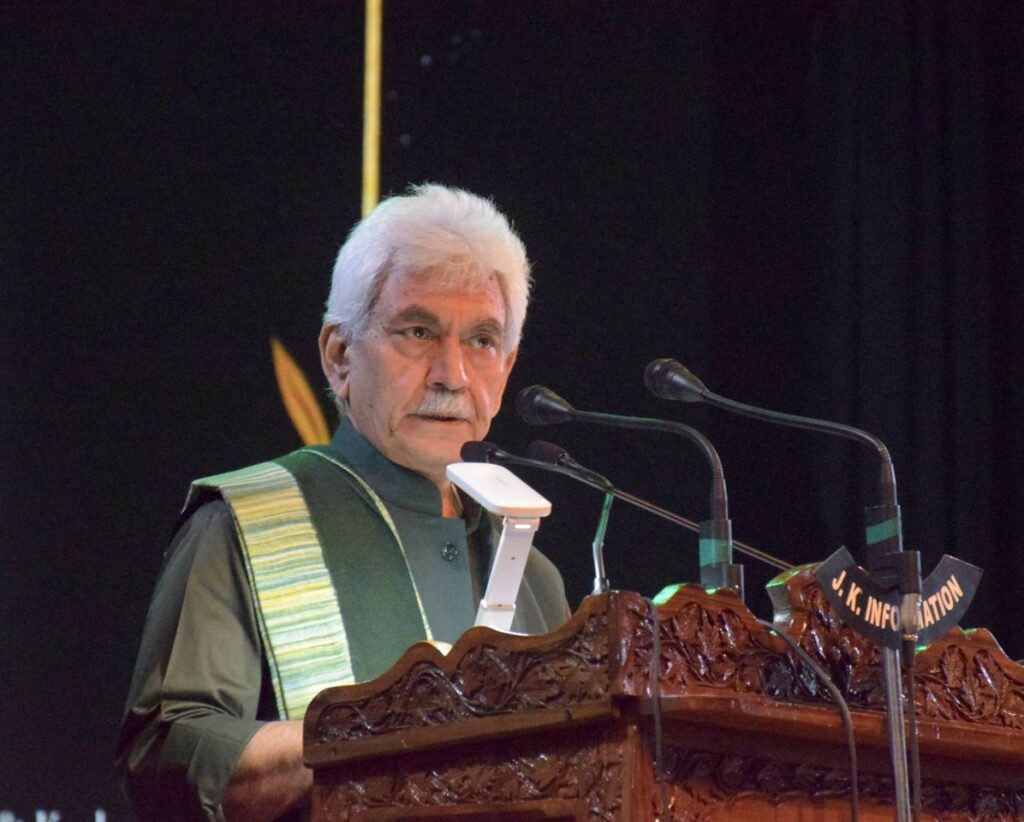
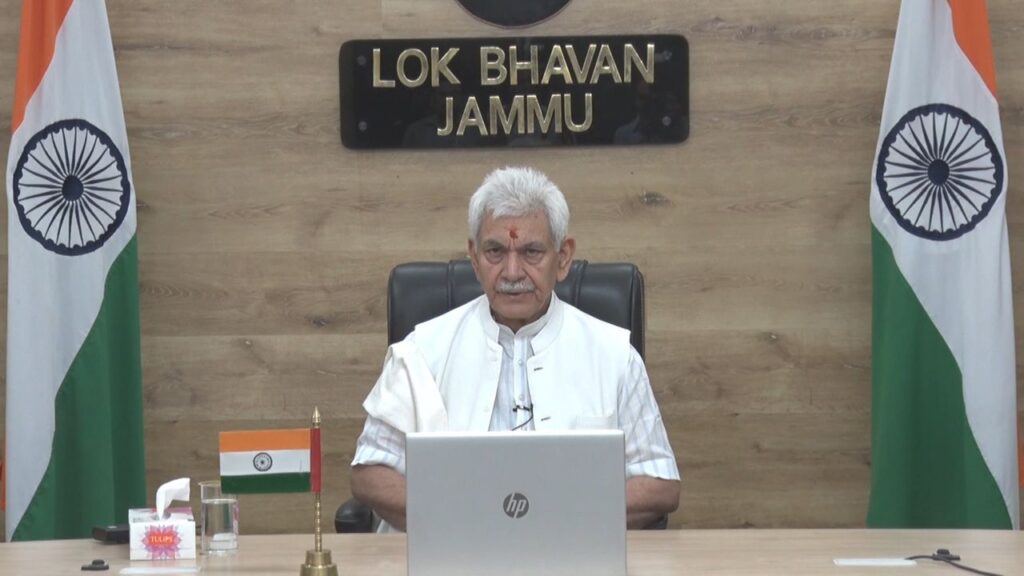
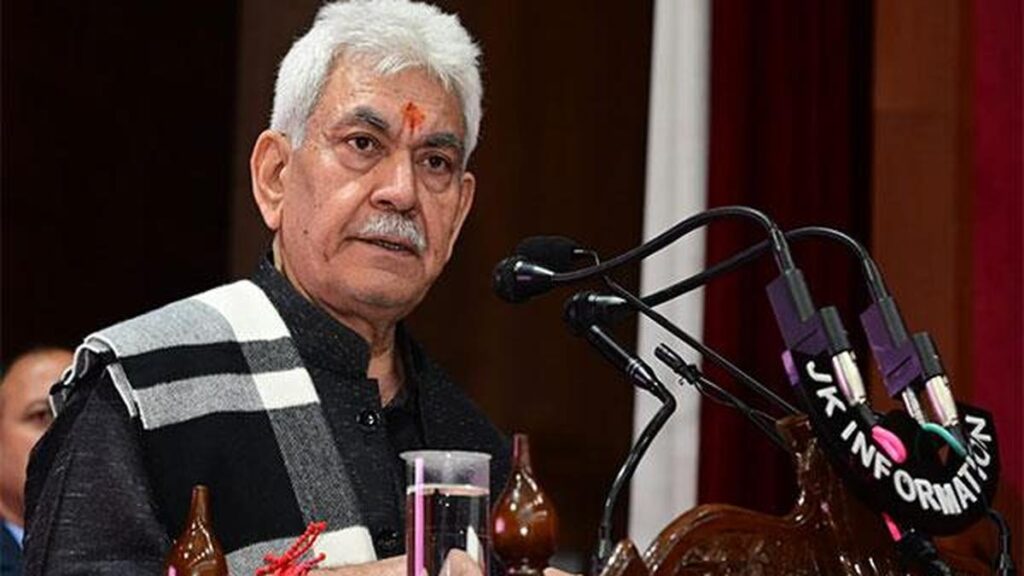
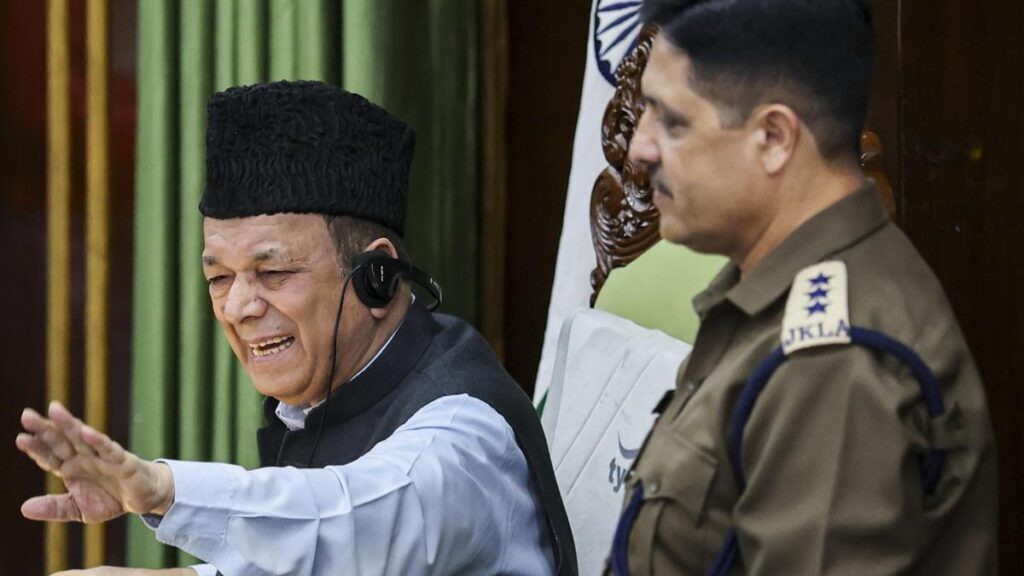
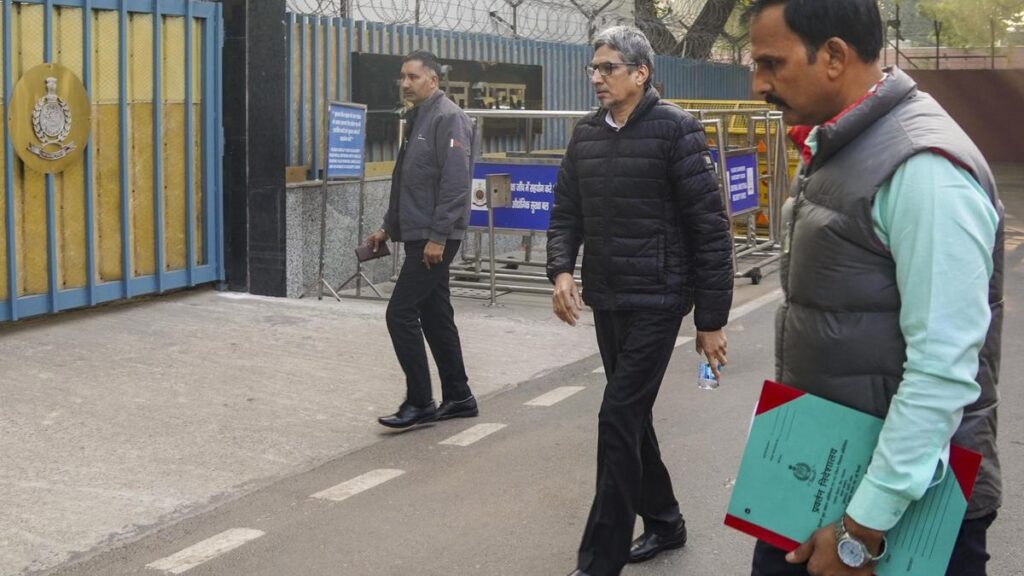
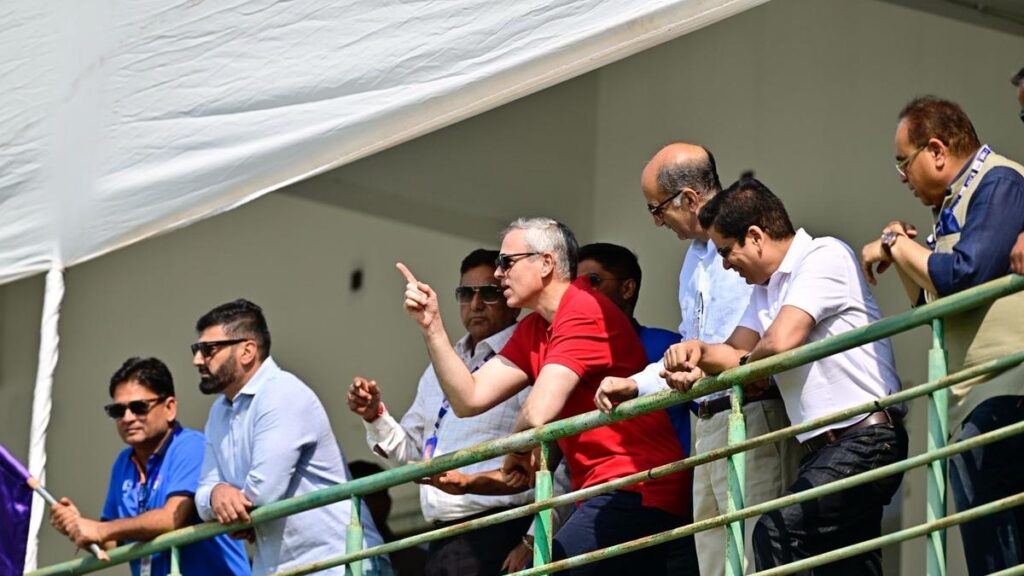
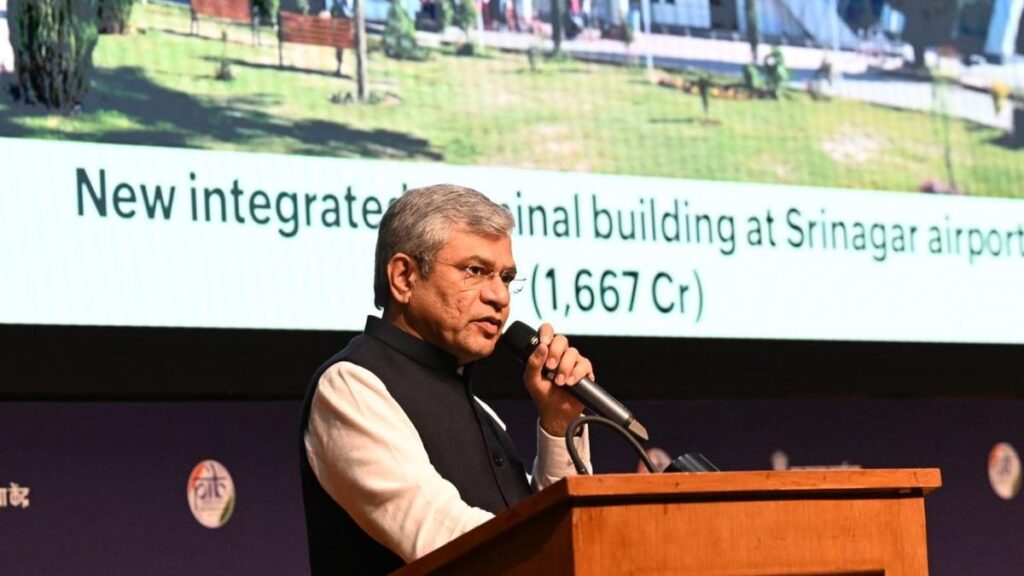
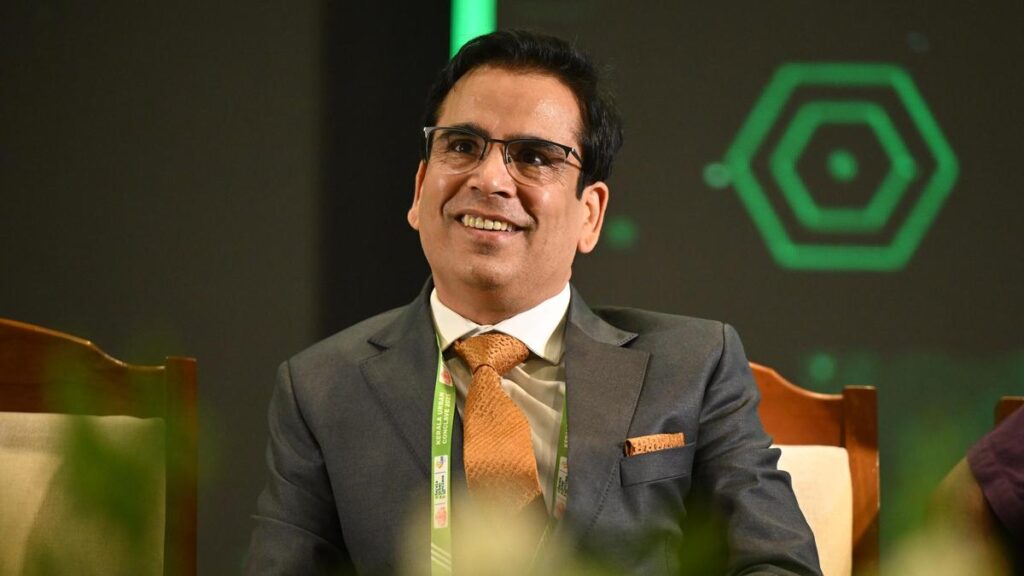
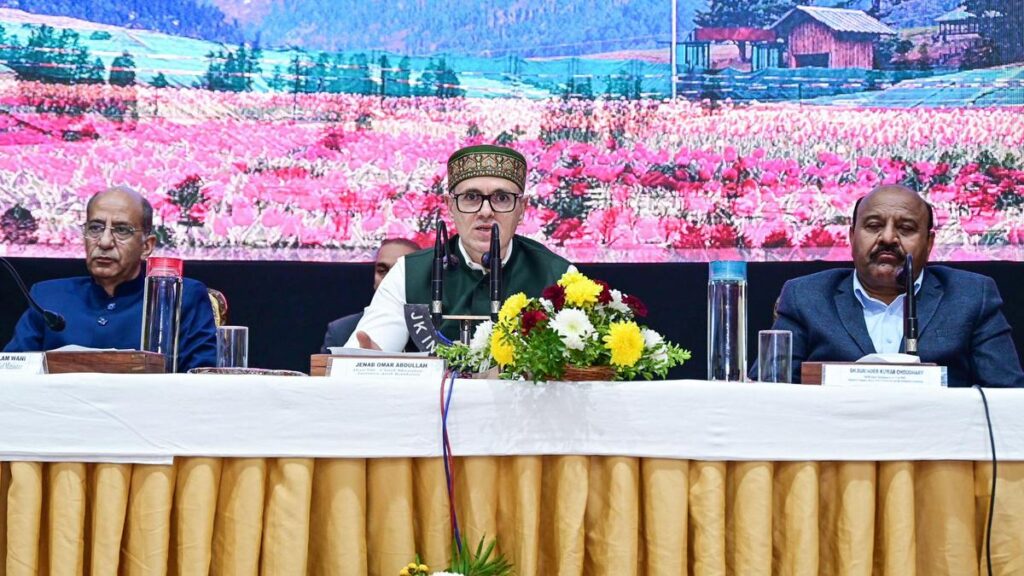
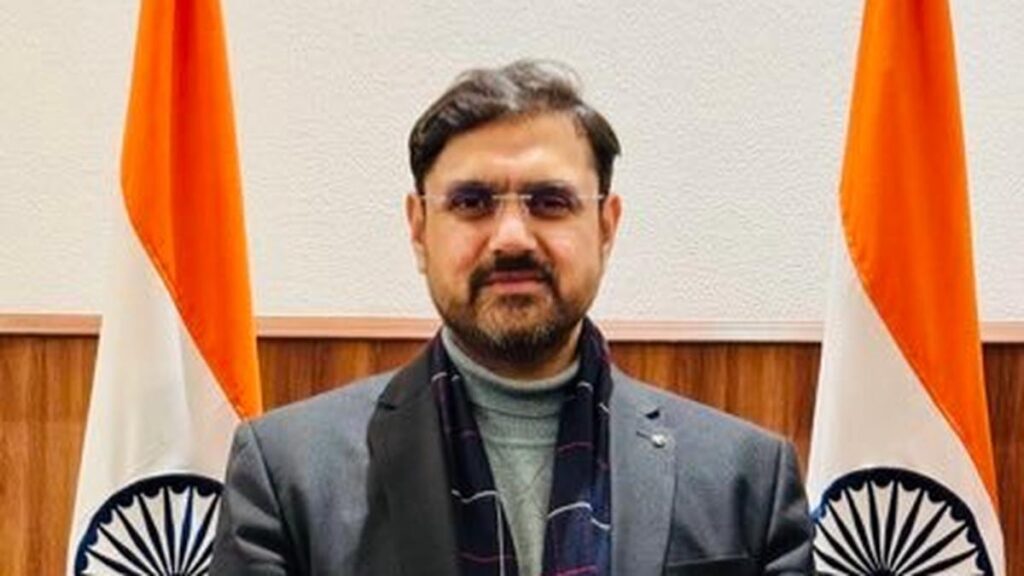
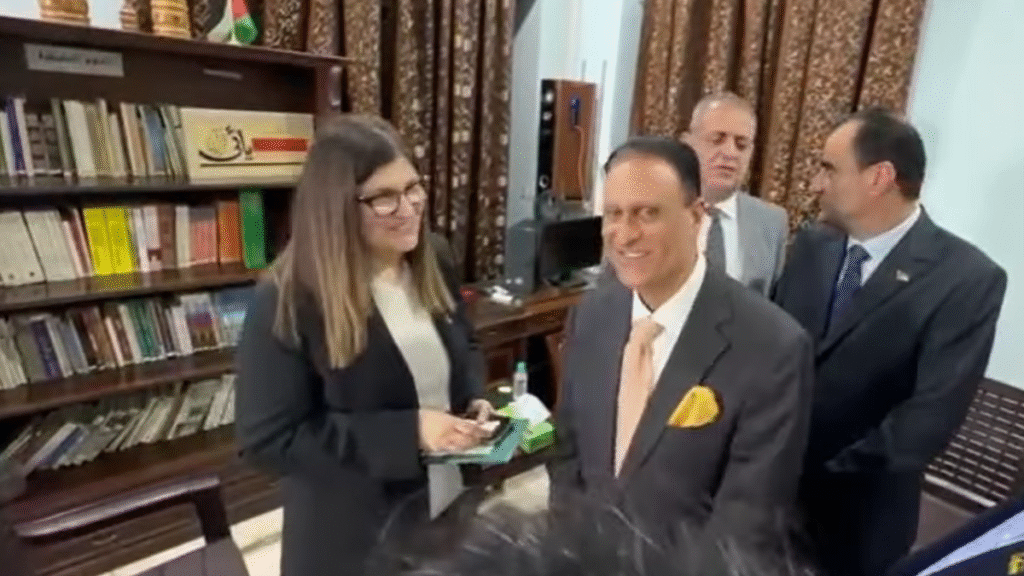
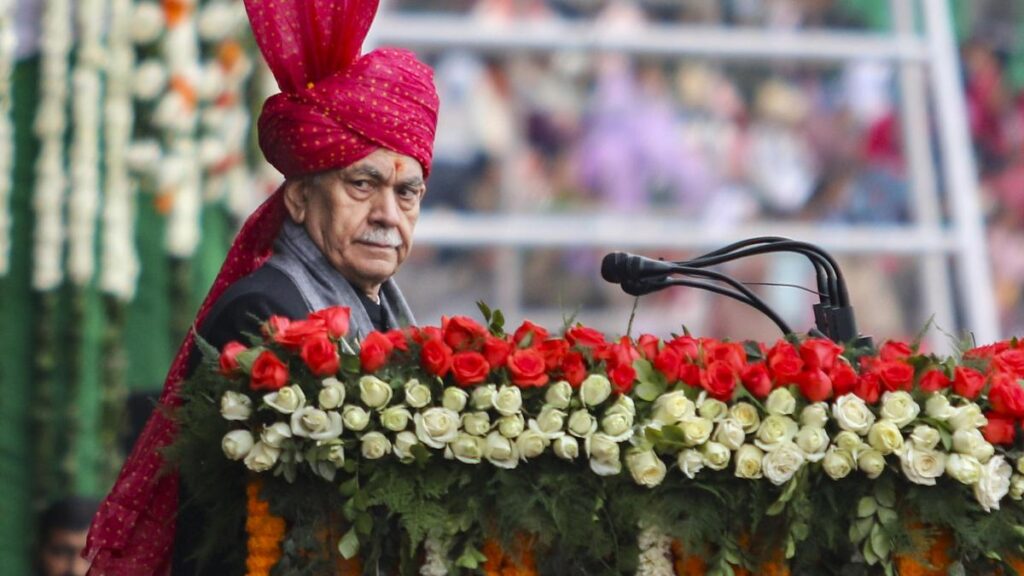
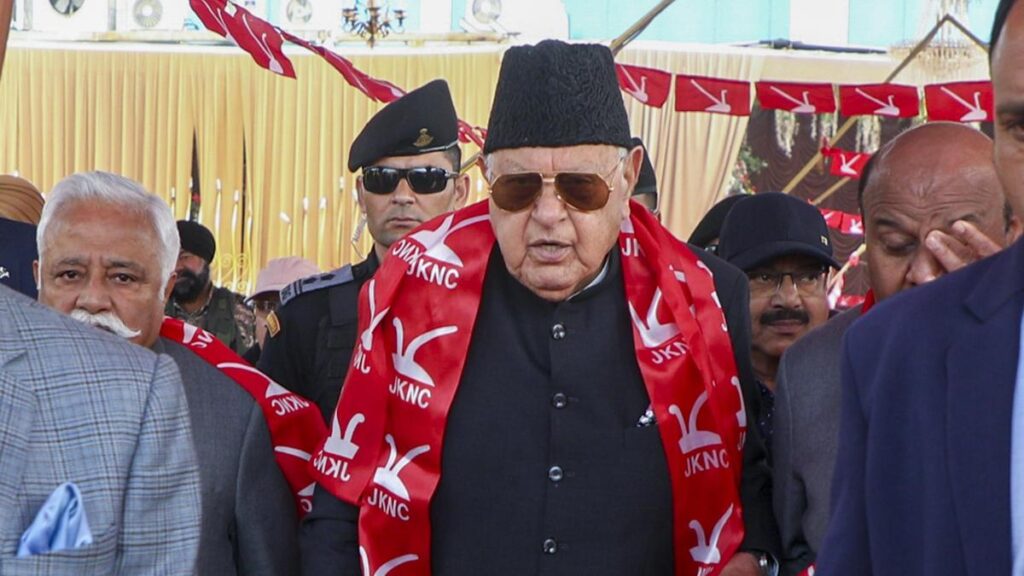
External Affairs Minister S Jaishankar was in Mauritius earlier this week to participate in the 9th Indian Ocean Conference. It has been India’s endeavour to foster an Indian Ocean consciousness and on that foundation an Indian Ocean Community. This attempt has not remained confined to Indian governments but has also been promoted by Indian think tanks. Specifically, Indian Ocean Conferences have been organised at the initiative of the India Foundation. Jaishankar rightly commended the efforts of this organisation in his address at the Mauritius Conference.
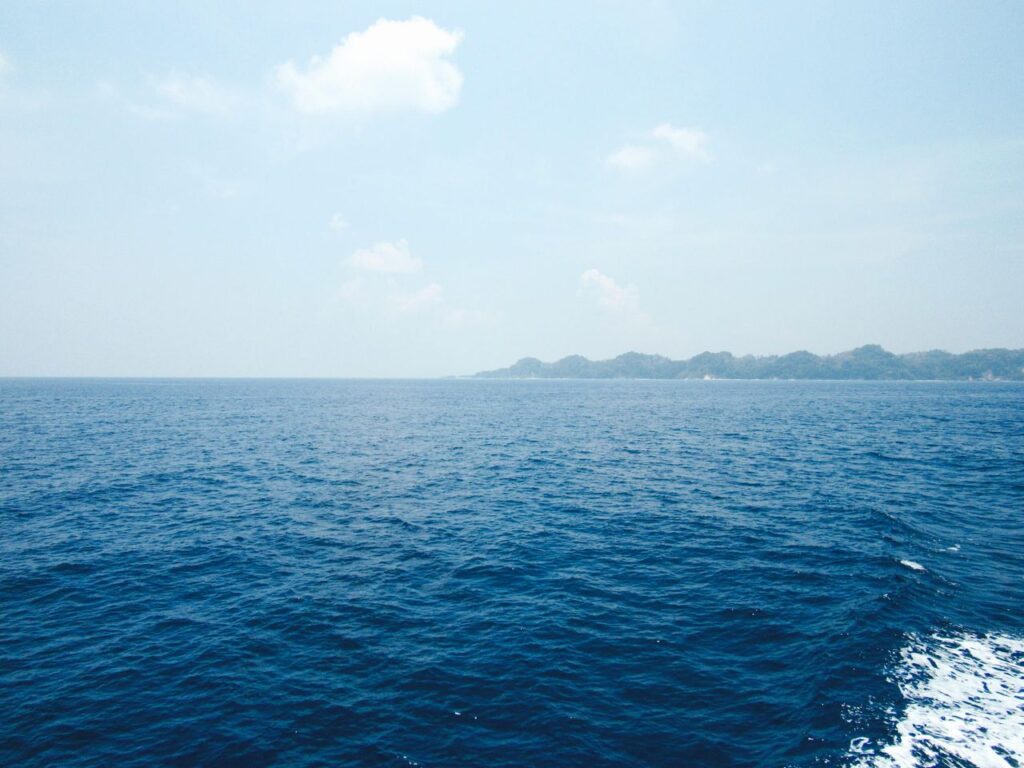
The Indian Ocean is the third largest body of water in the world. Along with its seas, bays and gulfs it extends from the Arab/Persian Gulf and the Red Sea in the north to Australia and the Southern Ocean in the south and from the east coast of Africa in the west to some of the countries in ASEAN in the east. India is between the Indian Ocean’s Arabian Sea and the Bay of Bengal. In India’s south lies the Indian Ocean. The fact that India gives its name to the Indian Ocean indicates this country’s importance for it. Indeed, India is the only country whose name has been given to an ocean. ASEAN forms the bridge between the Indian and the Pacific Oceans.
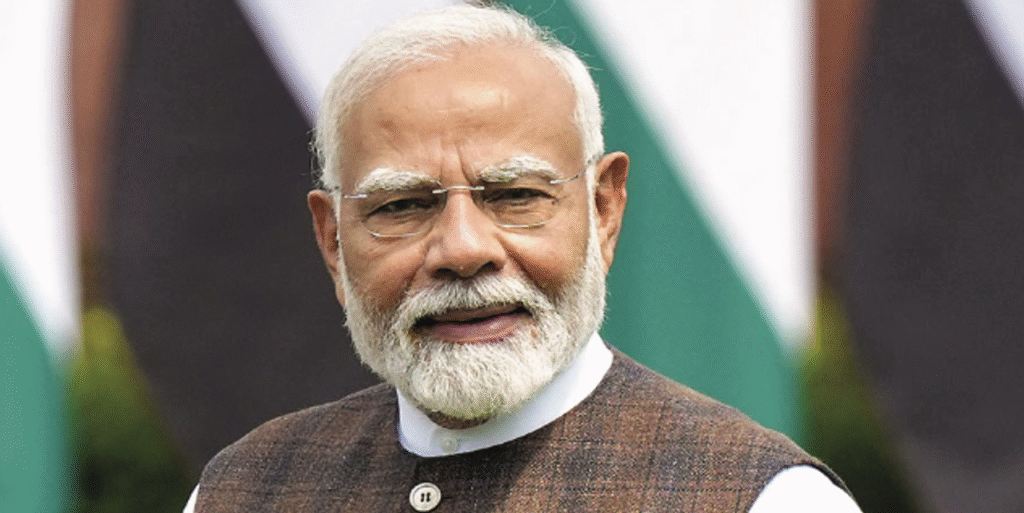
The Indian ocean caught the imagination of some Indian thinkers especially in the last decades of the last century. With the end of the cold war and the liberalisation of the Indian economy in the 1990s the Indian government turned its attention eastwards. That gave rise to the Look East policy. India also began to more purposefully think of the ties which bound it in the ancient past to the countries on the Indian Ocean’s littoral and the interruption of these relations by colonialism. The Modi government sought to transform Look East to Act East.
A caveat though must be mentioned. While the outlook of the Indian people who inhabited the coastal areas was outward looking and looked beyond the waters, that of the people who lived in the plains and mountains of the north and northwest parts of the country was continental. Thus, the masters of the great empires based in the northern plains did not think of the oceans at all. That was a strategic situation which rendered the country vulnerable to the seafaring European nations whose powers beginning with the 18th century were augmented by the Industrial Revolution.
Jaishankar rightly drew the attention of the members of the Indian Ocean Community to current global disruptions which cannot but impact Indian Ocean states. He cautioned “ Global trends are a reality that cannot be ignored. The world is more competitive, fractured and inward looking than in the past. The benefits of globalization are today overshadowed by the temptation to leverage and the temptation to weaponize. As a result, we are all in a quest for greater resilience and are seeking more trusted partners”. Arising from this caution he advised the need for “deeper cooperation amongst nations of the Indian Ocean. In many ways, it is a Global South Ocean. Whether it is food, fuel or fertilizer shortages, whether it is responding to natural disasters, whether it is addressing the consequences of conflicts, the answer is increasingly in collective resilience”.
There can be no quarrel with either Jaishankar’s caution or advice. He was also right in focusing on the fact that most Indian Ocean states belong to the Global South. This thought is captured in his saying that the Indian Ocean is a Global South Ocean. For India the point however is where does it go from there?
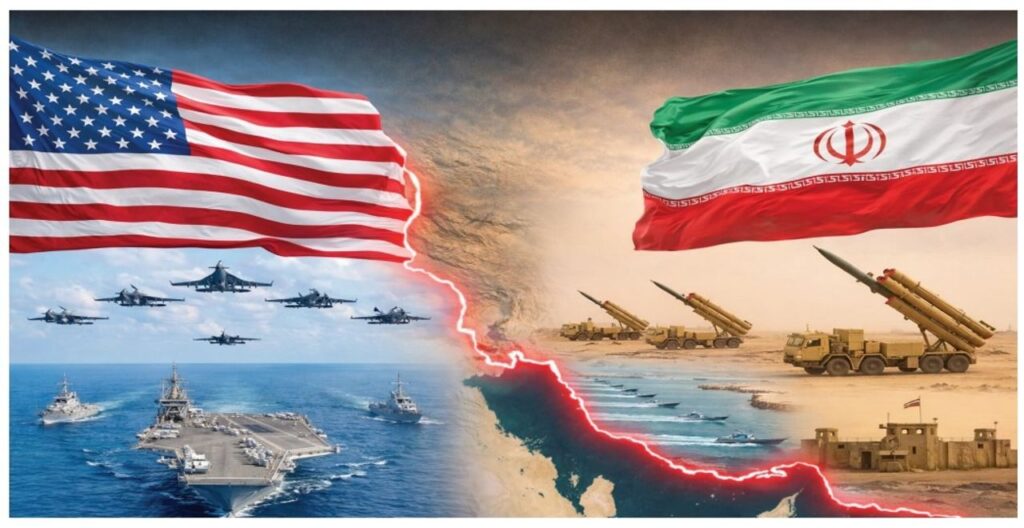
It is here that India has a problem because it is the largest state in the Indian Ocean area and naturally it has valid ambitions. How will it pursue these ambitions? This question acquires salience because the Indian Ocean area has now become one of great contestation. The overarching competition is between the US and China. Neither are natural Indian Ocean powers because the waters of this great ocean do not wash their shores. Yet both have a great and assertive presence in it.
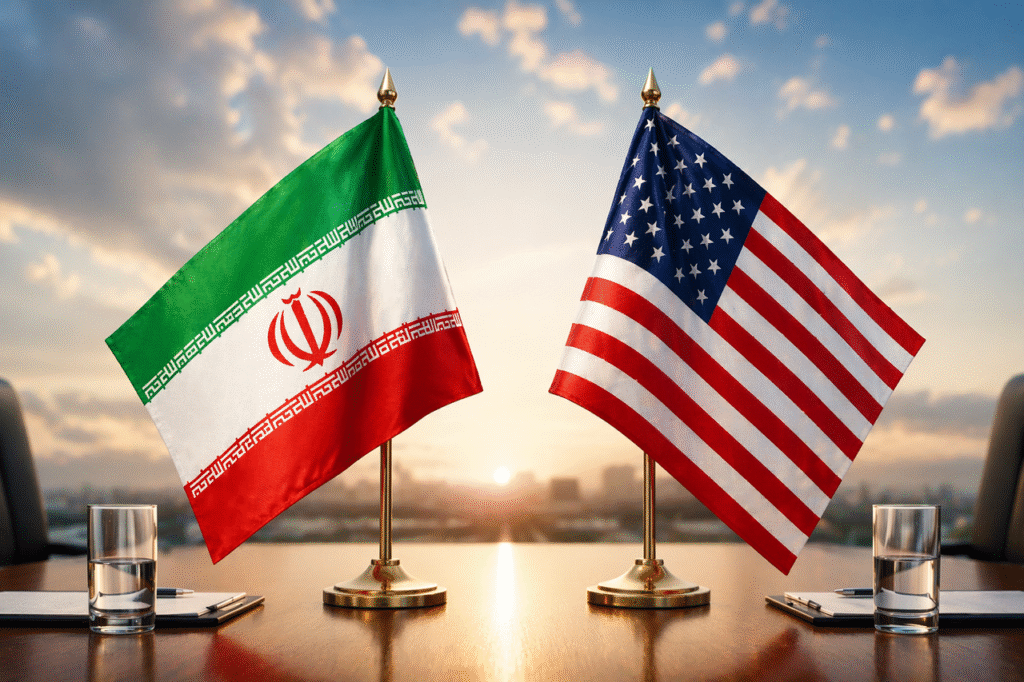
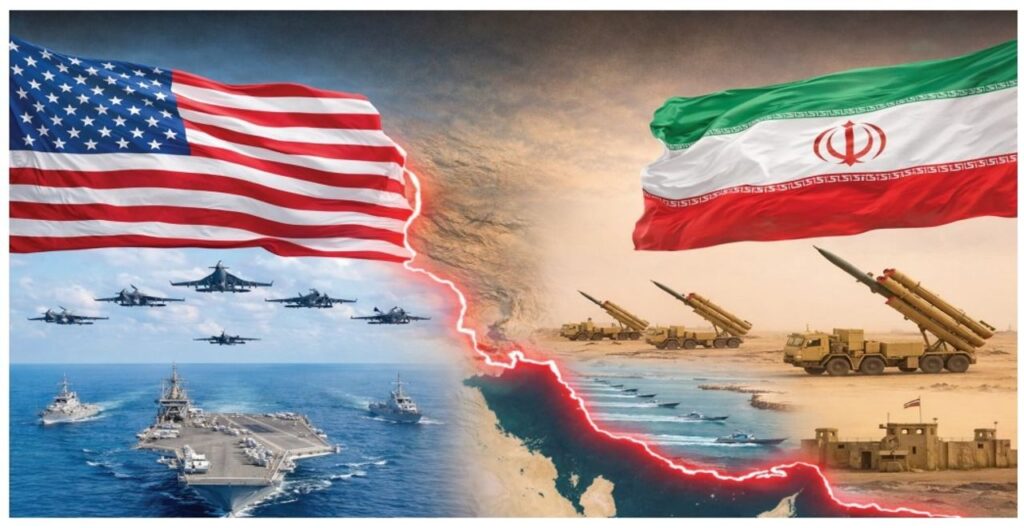
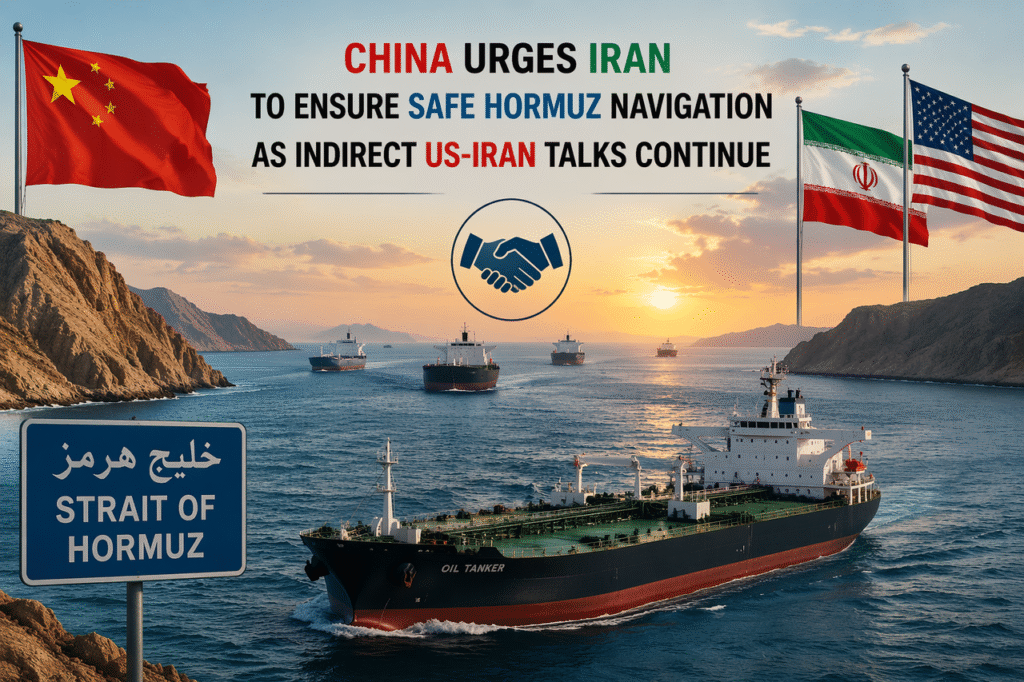
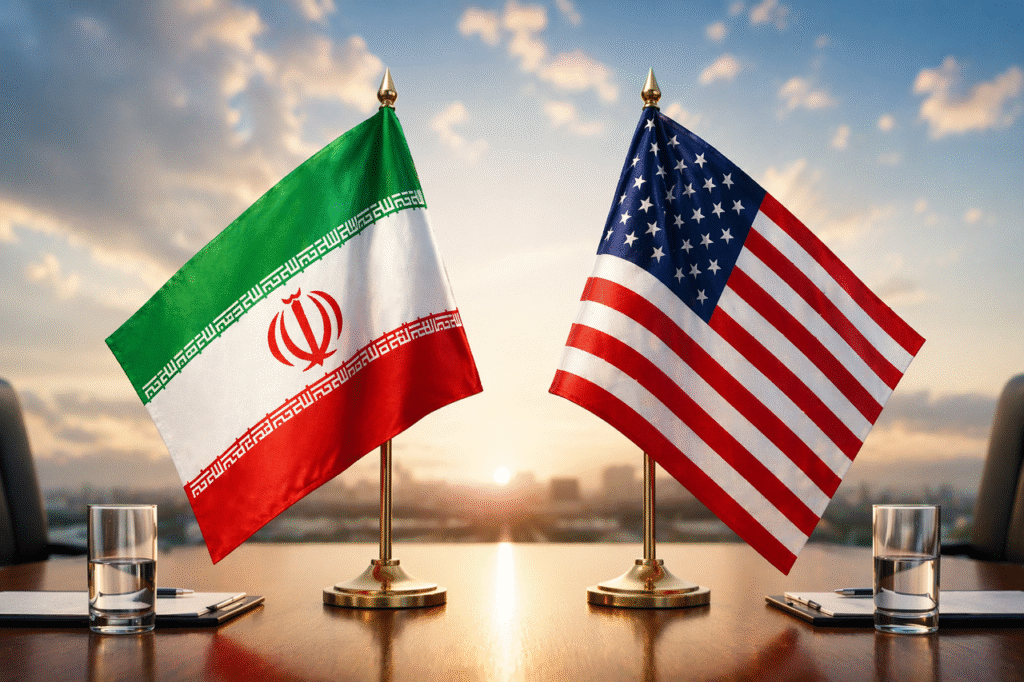
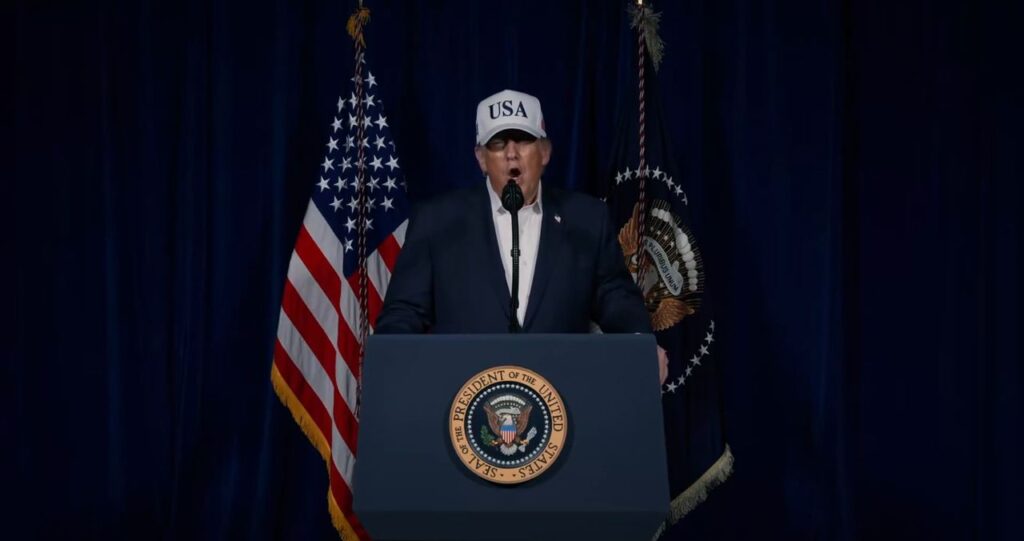
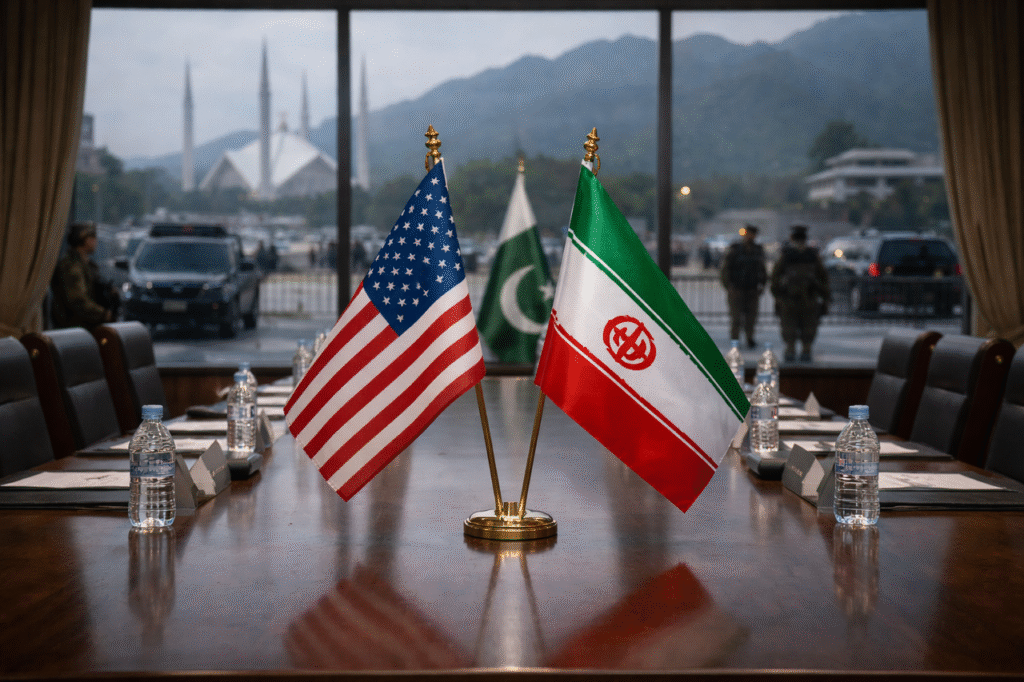
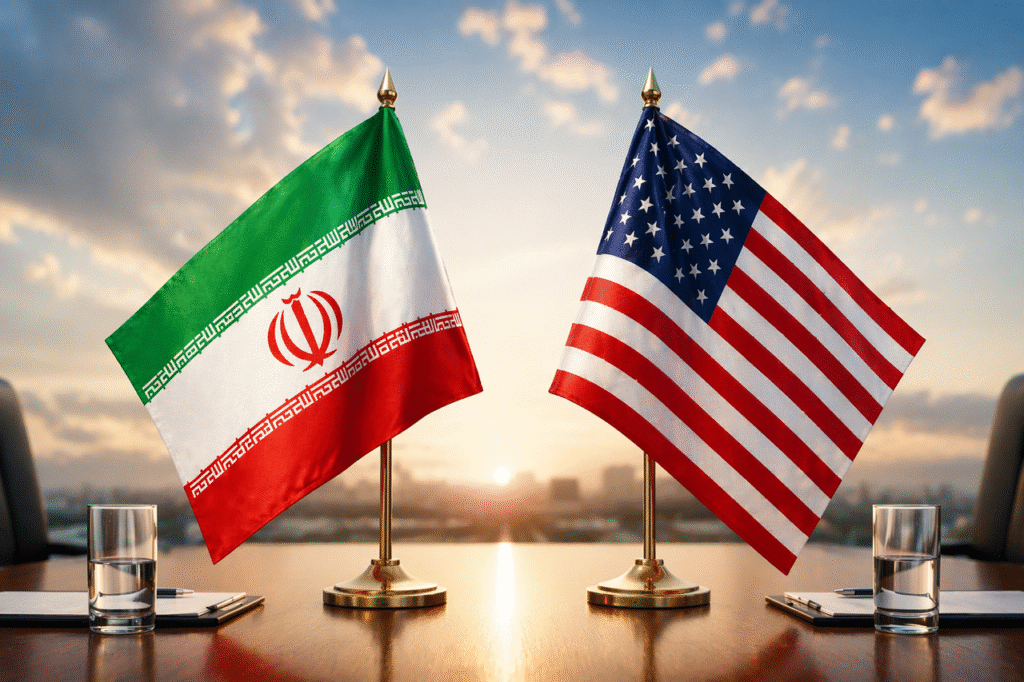
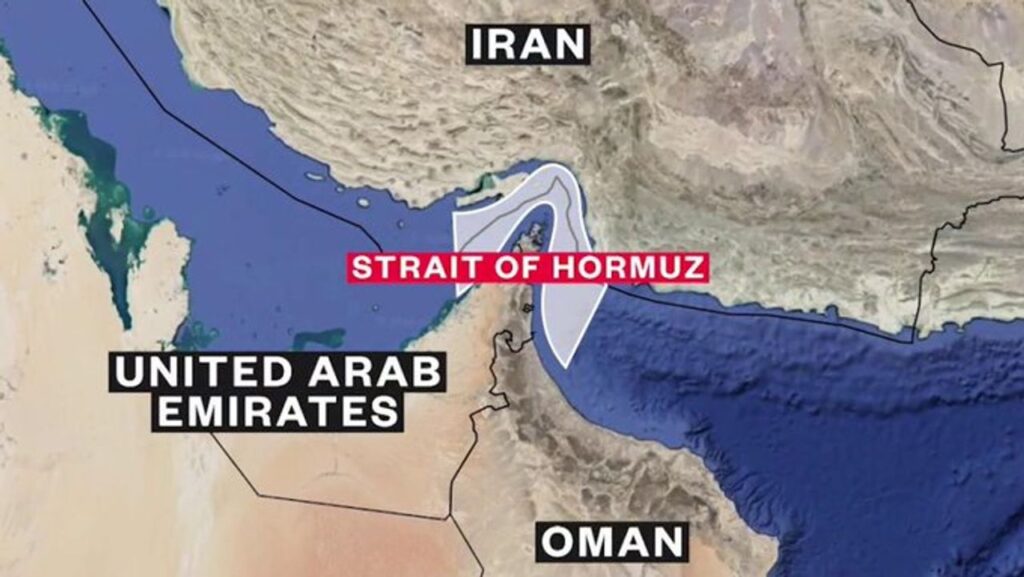
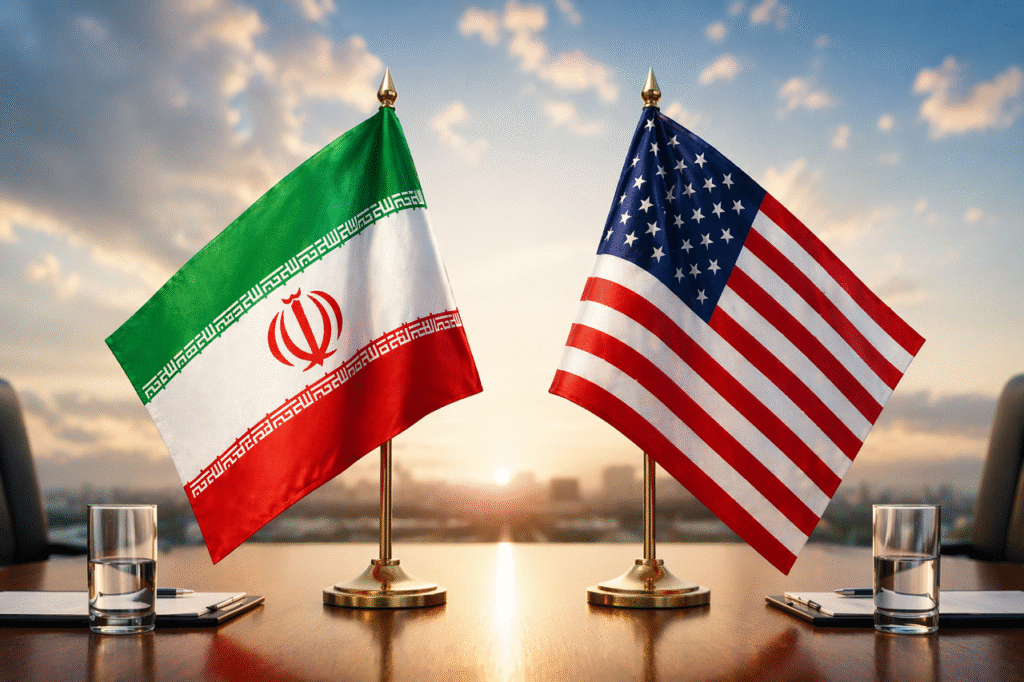
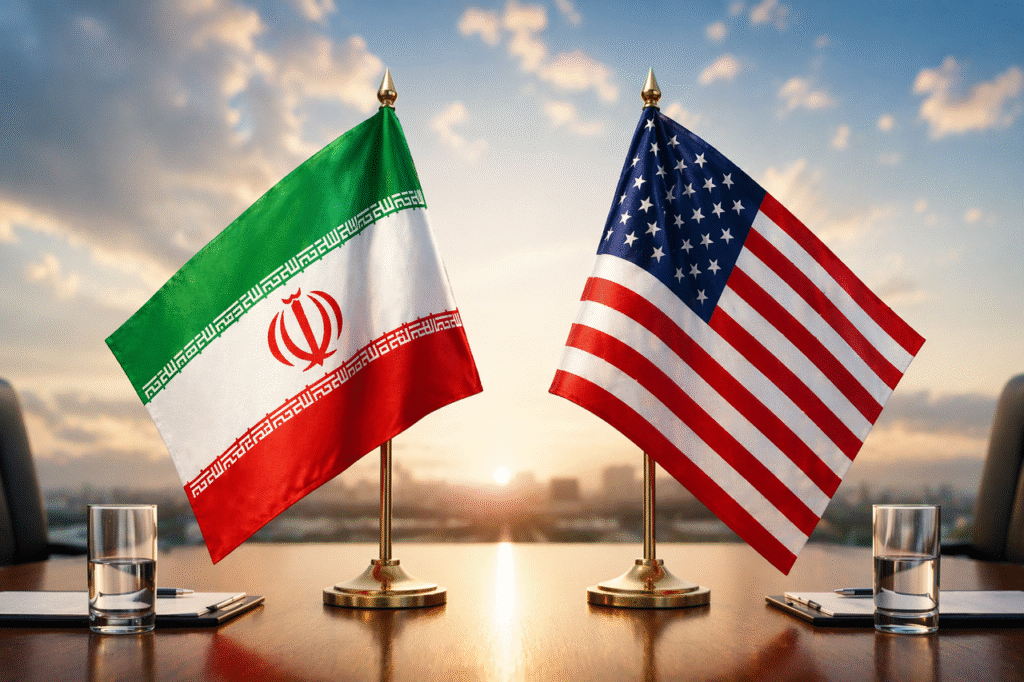
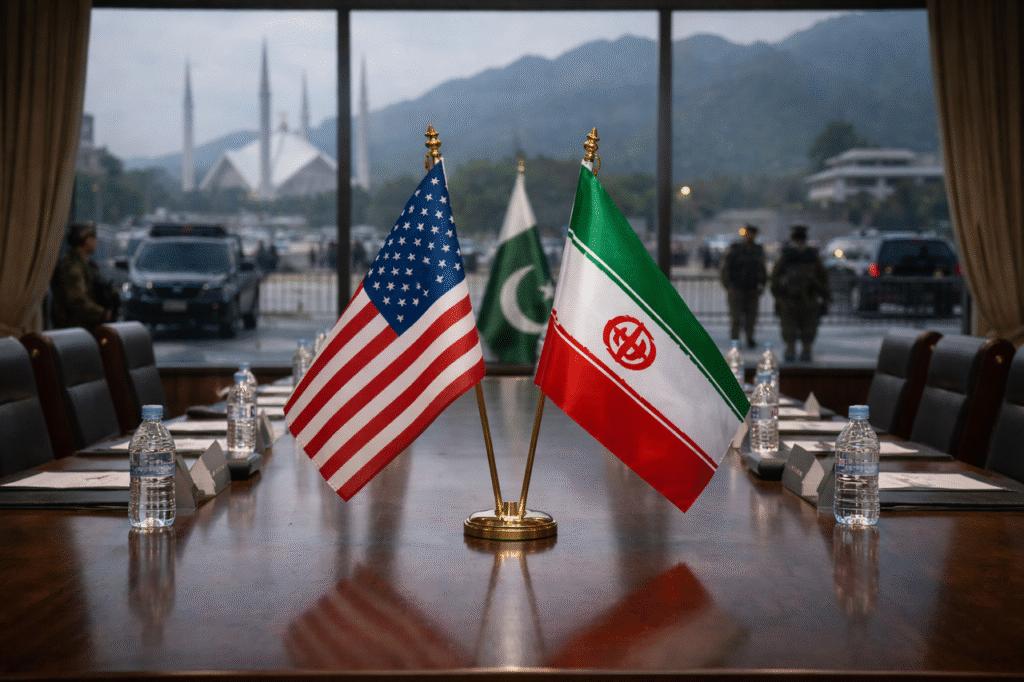
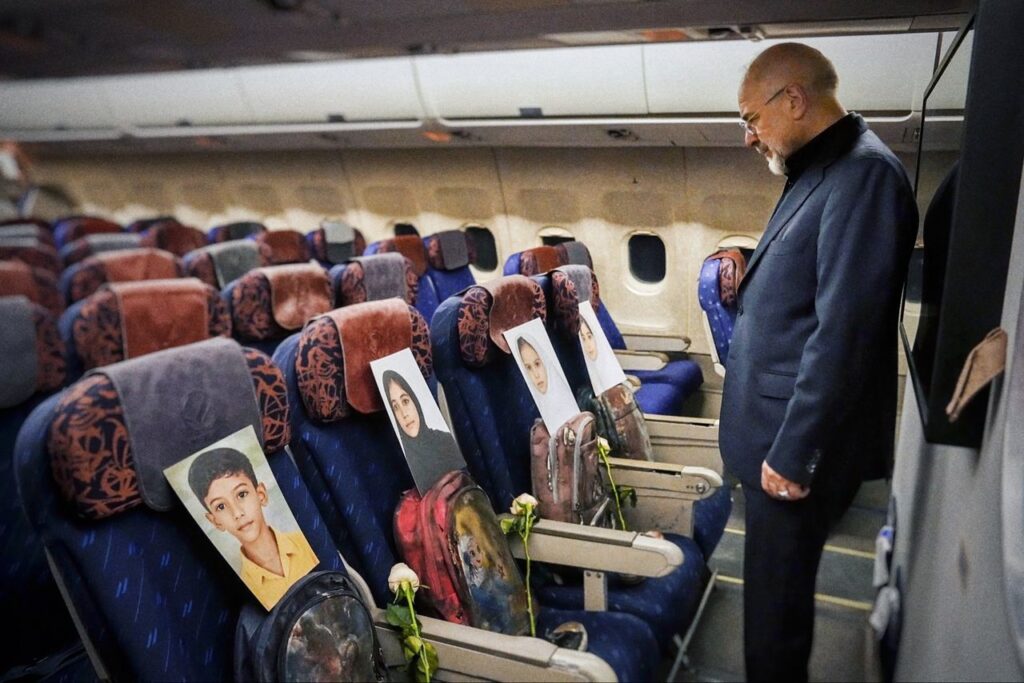
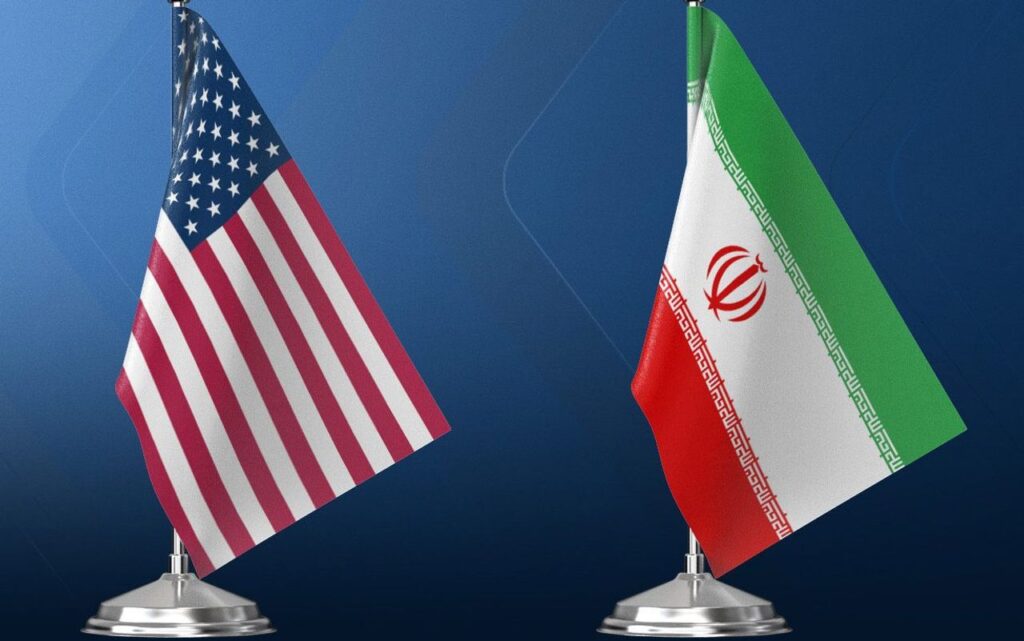
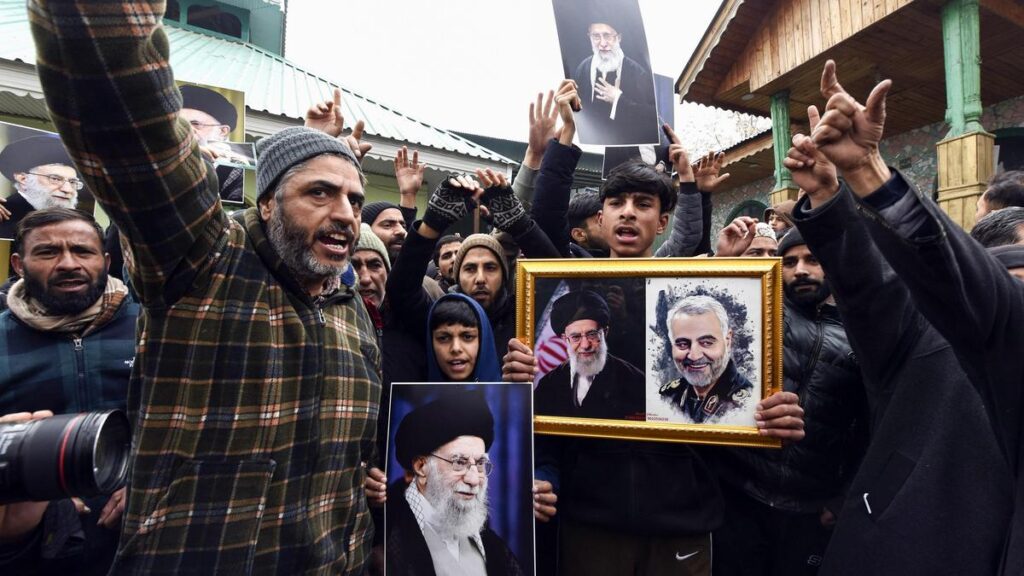
Today the presence of the US is there in a shooting war in the Arabian/Persian Gulf. No one can disagree with Jaishankar that “ All of us are deeply concerned about the conflict and would like to see an early return to normalcy. We firmly oppose the targeting of civilians, of infrastructure and of commercial shipping. It is essential that navigation remains safe and unimpeded. The relevant point here is that each one of us has felt the economic impact of this conflict very deeply”. The Iran war has not only impacted the Indian Ocean region but the entire globe, but the real point is that like the rest of the world the Indian Ocean countries have not been able to do anything to stop it. None of the Indian Ocean intergovernmental organisations have not even raised their collective voices to ask the parties to this war to end it. That shows the great power differential between the littoral states of the Indian Ocean and the US. It is small comfort that most of the world is in the same boat as the Indian Ocean littoral states. Russia and China have been the exceptions because they have criticised the war and also the US blockade.
The Indian Ocean has three choke points. The closing of one of them–the Strait of Hormuz–has had a terrible global economic impact. It is therefore necessary for the Indian Ocean states to consider what should be done to prevent future closing of the choke points.
It would be appropriate for the India Foundation to devote a full conference on this troubling issue.

